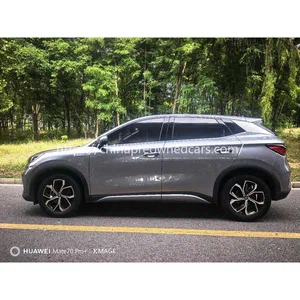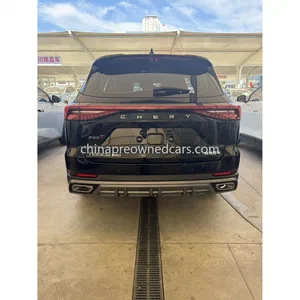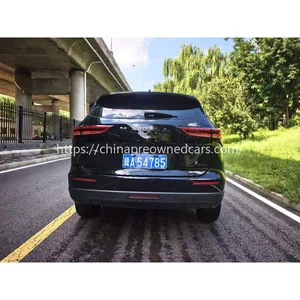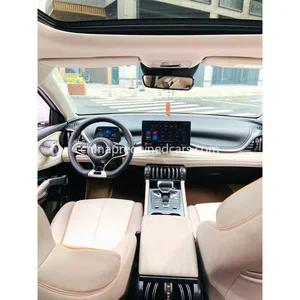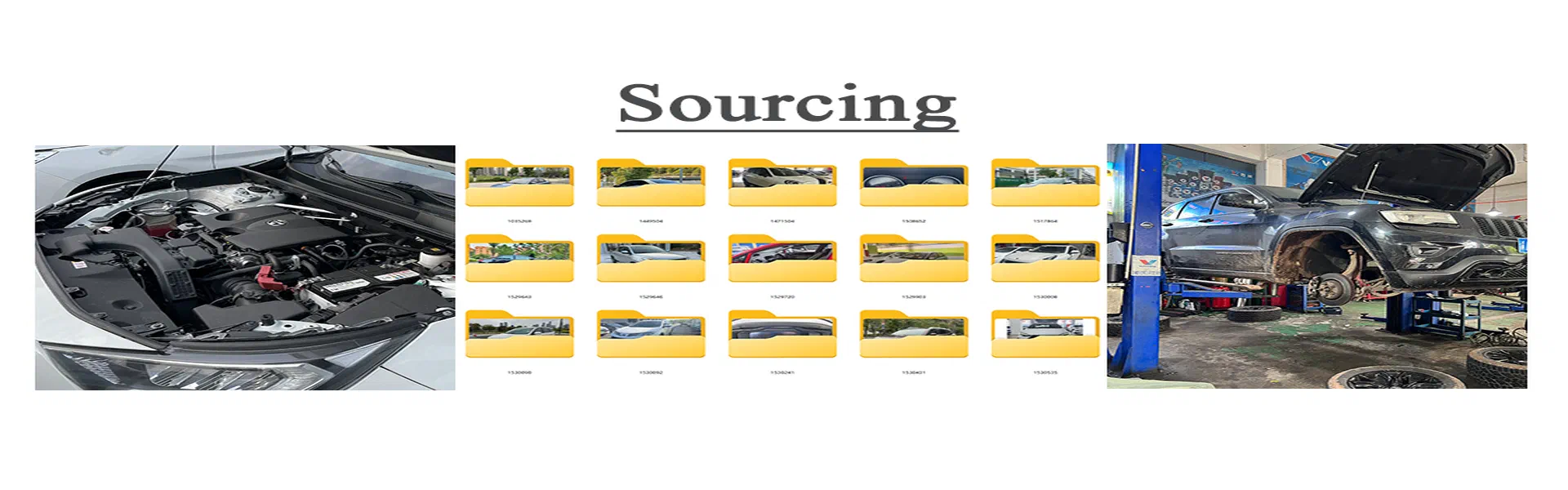
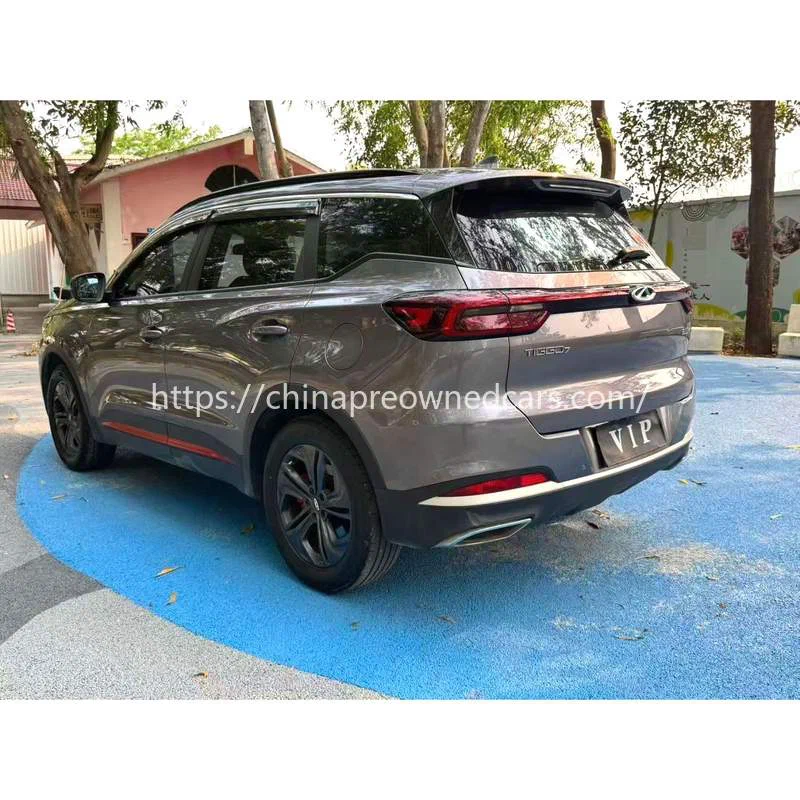
Dealership second hand car sourcing from China requires more than finding a low purchase price. International buyers in Ghana, Nigeria and North Africa need to evaluate vehicle condition, export paperwork, shipping options, import duty and the final landed cost before placing orders.
Choosing the right vehicles and suppliers
Successful dealers usually start with models that match local customer demand, road conditions and resale expectations. Chinese used cars with strong availability of parts, reasonable fuel consumption and proven reliability are often easier to sell after import. Popular choices include SUVs, sedans and new energy vehicles, but buyers should confirm specifications before purchase.
All vehicles exported from China must be left-hand drive (LHD), which is suitable for most North and West African markets. Buyers should check the production year, mileage, service records, accident history and ownership background. A low price does not always mean good value if the vehicle requires major repairs after arrival.
Calculating landed cost before purchase
The purchase price is only one part of the investment. Dealers should calculate the complete landed cost, including inland transport in China, export fees, shipping, insurance, customs charges, import duty, port clearance and local delivery expenses.
Shipping methods depend on volume and budget. RoRo shipping can be cost-effective for individual vehicles, while container shipping may provide better protection and flexibility for multiple units. Buyers should compare FOB and CIF quotations carefully to understand which costs are included and avoid unexpected charges.
Import duty and customs procedures vary by country. Ghana and Nigeria have specific requirements for vehicle age, valuation and clearance, while North African markets may apply different tax structures. Working with an experienced export partner helps reduce documentation errors and delays at the port.
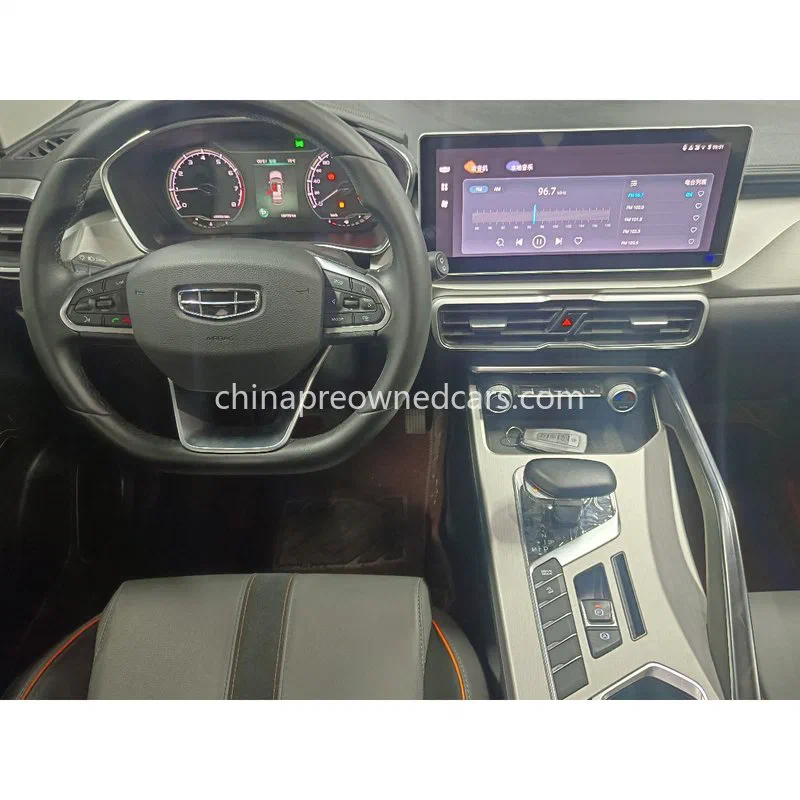
Inspection and purchasing process
Before payment, professional inspection is essential. A reliable inspection report should cover engine performance, transmission, battery condition for electric vehicles, tires, interior condition, electronics and previous repair work. Photos and videos should match the actual vehicle being purchased.
For dealership orders, buyers should agree on contract details, payment terms, vehicle specifications and delivery responsibilities. Confirming the VIN, export documents, commercial invoice, packing information and bill of lading helps create a smoother import process.
A good sourcing partner should provide consistent vehicle selection, accurate descriptions and support after shipment. For dealers building long-term business in Africa, choosing vehicles based on total cost of ownership and customer demand is more important than simply chasing the cheapest offer.
FAQ
Q: Can I import used cars from China to Ghana or Nigeria as a dealership buyer?
A: Yes, many dealers import used vehicles from China, but they should confirm local import rules, duty costs and required documents before purchasing.
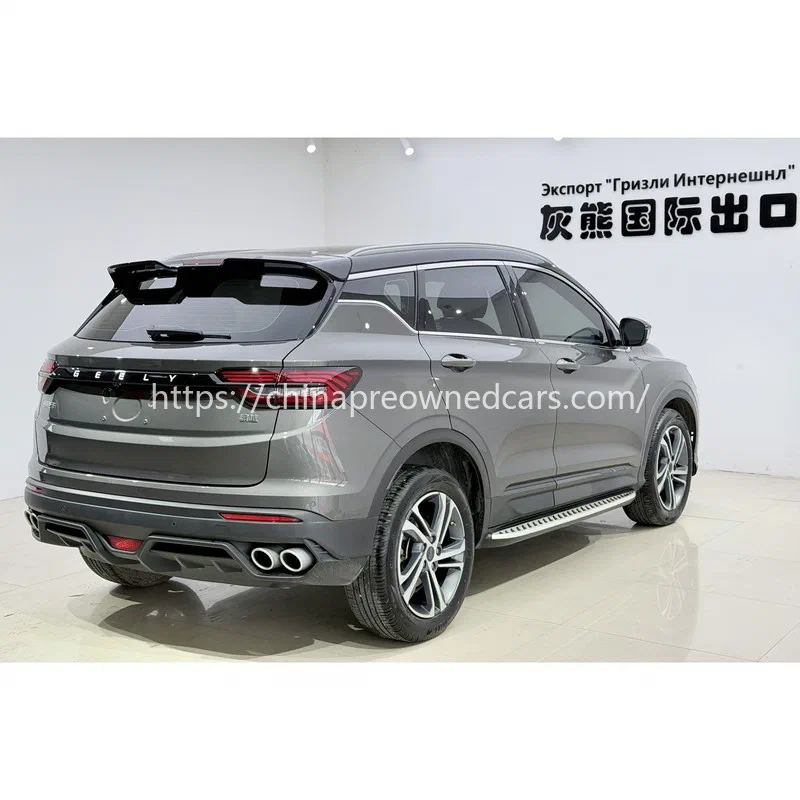
Q: Are all exported Chinese used cars left-hand drive?
A: Export vehicles from this supply channel are left-hand drive (LHD), making them suitable for markets that require LHD vehicles.
Q: What documents should I check before shipping?
A: Buyers should verify the commercial invoice, export certificate, vehicle details, inspection report and bill of lading before shipment.