Battery electric vehicles (BEVs) and hybrid vehicles are increasingly popular choices for import into African markets. Each powertrain offers distinct advantages and challenges, making it essential for buyers to understand the specifics before making a decision. This article compares the two options, focusing on features that matter most for export, including vehicle specifications, emissions compatibility with destination markets, and practical considerations for sourcing.
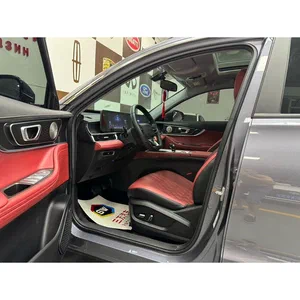
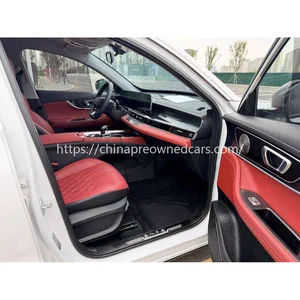
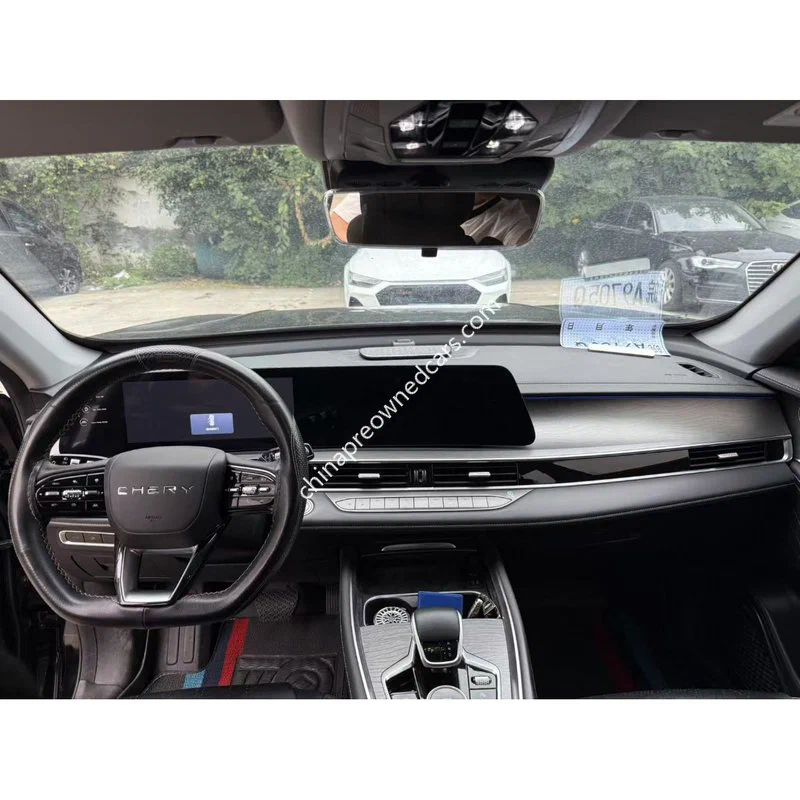
One significant difference between BEVs and hybrids lies in their powertrain. BEVs like the BYD Atto 3 rely solely on electric power, while hybrids, such as the Chery Tiggo 8 Pro, combine an internal combustion engine with electric propulsion. This fundamental distinction influences fuel consumption, range, and maintenance needs. Buyers should consider local infrastructure for charging BEVs, as availability can vary. In contrast, hybrids benefit from the versatility of using gasoline, making them potentially more convenient in areas with limited charging stations.
Range is a crucial factor when evaluating these vehicles. The BYD Atto 3 offers a range typically between 400 to 500 kilometers on a single charge, which can be advantageous for urban commuting. However, buyers should verify battery health before purchase, as battery capacity can diminish over time. Hybrids like the Chery Tiggo 7 Plus provide increased flexibility, often achieving over 700 kilometers when combining electric and gasoline use. This range can be beneficial in regions where longer travel distances are common.
Emission standards are an essential consideration for all vehicles exported to African markets. Most countries have specific regulations regarding vehicle emissions, leading to varying levels of acceptance for older vehicles. BEVs are generally more favorable as they produce zero tailpipe emissions, aligning well with increasingly stringent environmental policies. Hybrids, while cleaner than traditional gasoline vehicles, still emit pollutants, which may limit their acceptance in stricter markets. Buyers should confirm the current emission regulations in their target country to ensure compliance.
Parts availability and service support can affect long-term reliability and ownership costs. BEVs may have limited parts availability compared to hybrids, especially in less urbanized areas. Buyers should assess the local market for parts and service options for specific models like the Geely Coolray. Hybrids, being more established, often have better access to parts and trained technicians. This can reduce downtime and maintenance costs, making hybrids a safer choice for markets with less access to specialized service centers.
Charging standards are also a critical point of differentiation. The BYD Atto 3 employs common charging standards like Type 2, which may be readily available in urban areas but can be scarce in remote regions. Buyers should verify the existing infrastructure in their market to avoid potential inconveniences. Conversely, hybrids do not face this issue, as they can be refueled at conventional gas stations, making them more convenient in areas with limited charging options.
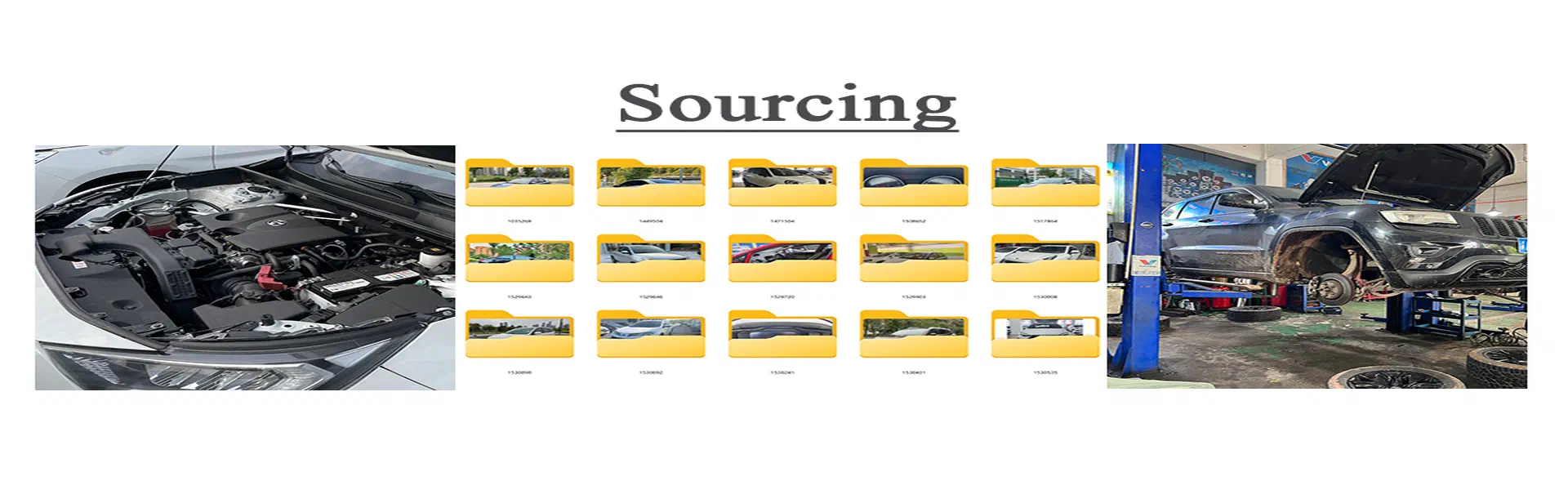
When sourcing vehicles for export, buyers must conduct thorough checks before purchase. This includes verifying vehicle history, mileage, and condition grading. Many dealers provide condition assessments, but it is wise to obtain an independent inspection to ensure accuracy. Understanding payment terms is also essential; most exporters require a deposit with the balance paid before shipping. Shipping lead times can vary but typically range from 15 to 25 days, depending on the method chosen—RoRo or container shipping. Each method has its pros and cons regarding cost and logistics.

After-sales support is another area to consider. While most exporters provide assistance with documentation and customs clearance, ongoing support for parts and service is vital. Buyers should inquire about post-purchase service options, especially for BEVs, which may require specialized knowledge for repairs. This helps ensure a satisfactory ownership experience and reduces potential issues that could arise from inadequate service availability.
FAQ
Q: What should I check before buying a used vehicle for export? A: Verify the vehicle’s history, mileage, and condition grading. An independent inspection can provide assurance of the vehicle’s status.
Q: Are certified pre-owned cars reliable? A: Certified pre-owned cars can offer greater confidence in reliability, but buyers should still perform their due diligence, including checking service records and conducting inspections.