
Online used car listings provide a starting point for overseas buyers, but a vehicle that looks suitable on a website still needs documentary and technical checks before payment. For buyers sourcing Chinese-brand SUVs for Ghana, Nigeria, Kenya, Uganda, or Tanzania, the main task is to verify the vehicle, assess the exporter, and confirm that the car can legally enter the destination market.
1. Check the Vehicle Beyond Its Online Listing
Photos and advertised mileage cannot establish a used vehicle’s actual condition. Request the VIN, odometer reading, service records, accident history, and a recent inspection report before agreeing to purchase. The VIN should match the vehicle’s identification plates and available registration or ownership records. If the seller cannot explain discrepancies between documents, photographs, and the listing, pause the transaction until they are resolved.
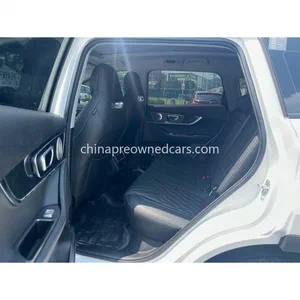
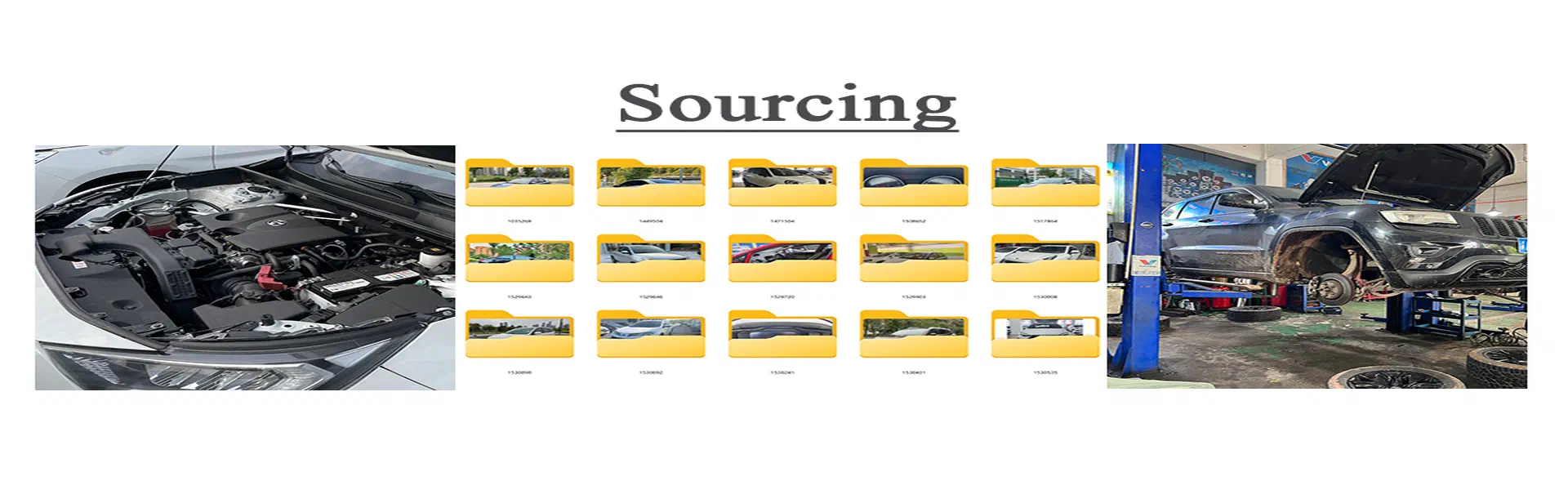
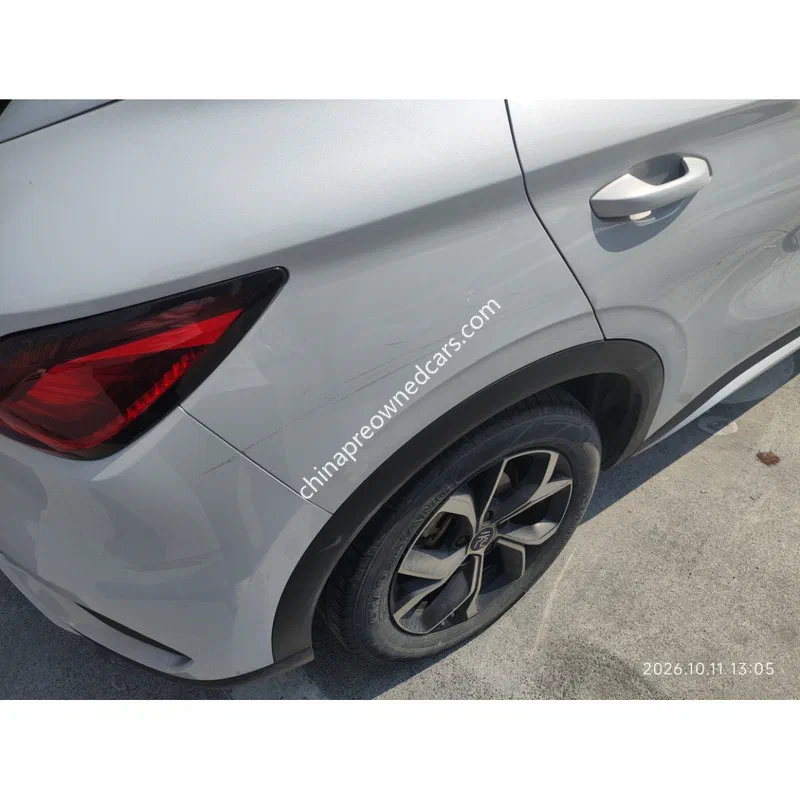
Mileage needs context. Compare the odometer reading with maintenance invoices, recorded service dates, tyre wear, steering-wheel condition, and interior wear. A low reading is not proof of limited use, and missing service records should be treated as an information gap rather than evidence of good condition. Ask whether the vehicle has undergone major repairs, flood exposure, airbag deployment, or structural work. Request clear photographs of the underbody, engine compartment, body panels, and dashboard, along with a cold-start video where practical. An independent inspection provides a stronger basis for assessment than seller-supplied images alone.
2. Match the Model to the Intended Market
The best used cars online sites are not necessarily those with the largest number of listings. For an export buyer, the more useful source is one that provides vehicle-specific evidence and can explain export documentation, inspection arrangements, and shipping options.
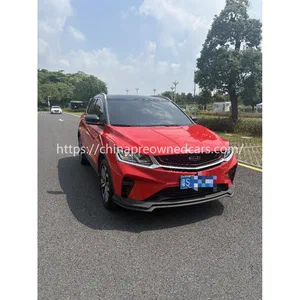
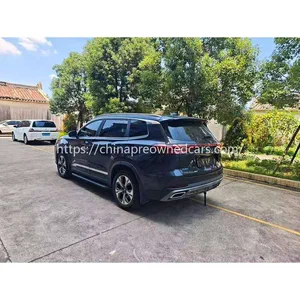
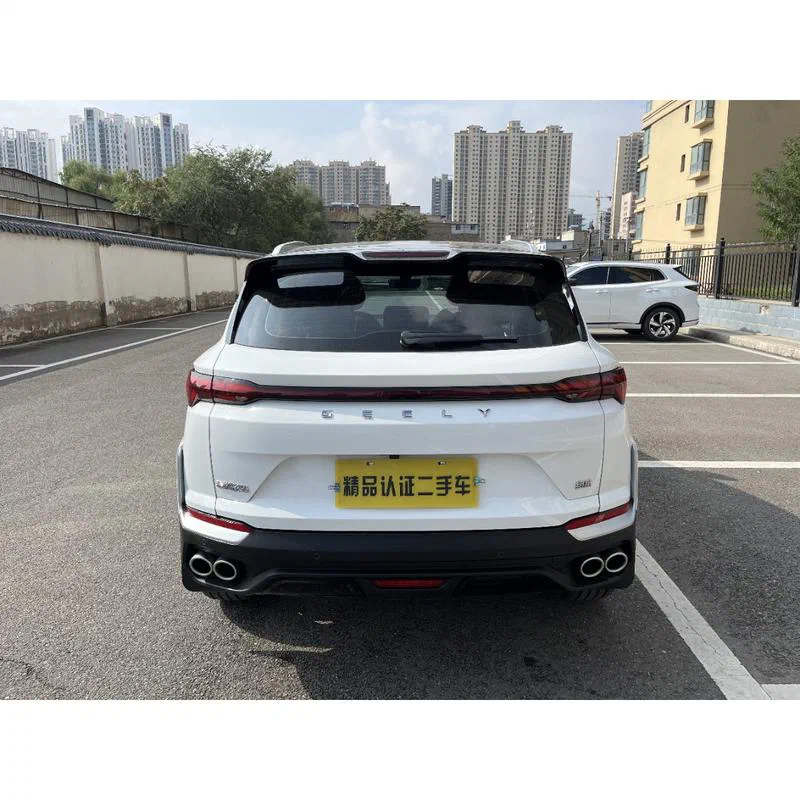
Chinese-brand SUVs serve different requirements. The BYD Atto 3 is a battery-electric SUV, so battery condition and charging compatibility deserve particular attention. The Chery Tiggo 7 Plus and Chery Tiggo 8 Pro offer SUV alternatives for buyers comparing cabin space and powertrain configurations. The Geely Coolray and Haval H6 also warrant comparison by model year, trim, engine specification, equipment, and maintenance history. Exact specifications can vary between versions, so the model name alone is insufficient.
Before selecting a vehicle, confirm its steering configuration. Most vehicles in China’s domestic market are left-hand drive (LHD). Buyers importing into Ghana, Nigeria, Kenya, Uganda, or Tanzania must check the current rules governing steering position, vehicle age, emissions, roadworthiness, and registration. These requirements can differ by country and may change. Do not assume that a vehicle accepted in one market will qualify in another. For electric vehicles, also assess local charging access, connector compatibility, and the availability of suitable repair services.
3. Request Evidence and Verify Export Readiness
A credible exporter should explain what the quoted price covers and which documents will be supplied at each stage. Request the inspection report, vehicle identification details, sales contract, proof of ownership or acquisition, and confirmation that the exporter can obtain the required export license. Before shipment, the transaction also requires the applicable customs declaration and pre-shipment inspection arrangements. Ask for the relevant paperwork and clarify who is responsible for each step.
Document names and procedures can vary according to the transaction and destination. The buyer should confirm which original documents, translations, certificates, or additional approvals the destination authority requires. Export customs clearance in China does not guarantee import approval at the destination. Import duties, taxes, port charges, and local registration costs should be assessed separately, with current requirements confirmed through the relevant authorities or a qualified customs agent.
Exporter credibility needs its own review. Check the company’s legal identity, business contact details, physical address, contract terms, and ability to provide consistent answers about vehicle sourcing and shipment. Ask for a sample redacted inspection report and a clear explanation of how disputes are handled. Verify payment instructions independently, particularly when bank details change shortly before a transfer. Pressure to pay immediately, refusal to disclose the VIN, or promises of guaranteed vehicle condition are reasons to stop and investigate.
4. Agree on Payment, Shipping, and Delivery Responsibilities
Payment terms should be written into the sales contract before funds are transferred. In international vehicle trade, arrangements may include a deposit followed by a balance payment at an agreed milestone, or payment through an agreed trade-finance mechanism where available. There is no single payment structure that suits every transaction. The contract should specify the vehicle, VIN, total price, deposit, balance-payment trigger, inspection rights, cancellation conditions, and responsibility for bank fees. Buyers should avoid sending money to an unrelated personal account without a verified contractual explanation.
Shipping arrangements affect both cost and risk. Roll-on/roll-off (RoRo) shipping generally moves eligible vehicles onto a vessel using their wheels, while container shipping places vehicles inside a freight container. Container transport may suit buyers who need a different loading arrangement or are shipping multiple vehicles, but loading, securing, and handling costs must be considered. For electric vehicles, carriers may request battery details and compliance with applicable dangerous-goods transport procedures. Confirm acceptance with the shipping provider before finalising the purchase.

Request a written shipping plan identifying the departure port, destination port, estimated transit window, freight charges, insurance arrangements, and documents to be provided after loading. Port schedules and customs processing can change, so a quoted lead time is an estimate rather than a guaranteed arrival date. Clarify who pays storage, demurrage, inspection, and clearance charges if paperwork is delayed. Before the vehicle leaves China, obtain copies of the final inspection findings and export documents, then arrange destination clearance with an agent familiar with local vehicle-import rules.
FAQ
Q: What should an overseas buyer verify before paying for a used car online?
A: Check the VIN, mileage evidence, service and accident history, inspection report, ownership documents, and export eligibility. Confirm the contract terms and the seller’s identity before transferring funds.
Q: What documents should a Chinese used car exporter provide?
A: Request vehicle identification and ownership records, a vehicle inspection report, the applicable export license documentation, and customs declaration and clearance paperwork. Confirm the destination country’s additional import and registration requirements before shipment.
Q: Is RoRo or container shipping better for a used SUV?
A: RoRo can be suitable for an eligible vehicle shipped individually, while container shipping offers a different loading arrangement and may suit consolidated shipments. Compare total freight and handling costs, carrier requirements, insurance, and any battery transport conditions for electric vehicles.