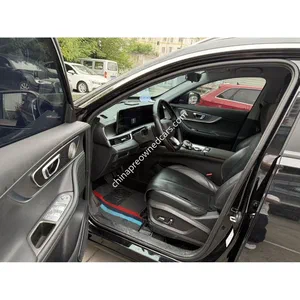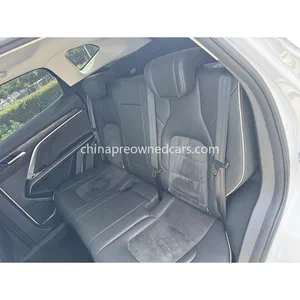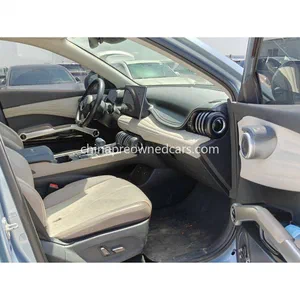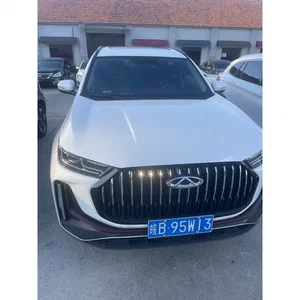
The Chery Tiggo 8 Pro and Tiggo 7 Plus are both relevant options for buyers sourcing used Chinese SUVs for export, but their differences affect vehicle selection, inspection priorities and operating costs. The larger Tiggo 8 Pro is suited to buyers who need additional passenger and luggage capacity, while the Tiggo 7 Plus offers a more compact alternative. For importers in Ghana, Nigeria, Kenya, Uganda and Tanzania, the decision should begin with the actual vehicle specification and condition rather than the model name alone.
Comparing the Tiggo 8 Pro and Tiggo 7 Plus
The Tiggo 8 Pro is a midsize SUV with a larger cabin and, depending on configuration, three-row seating. This makes it relevant to buyers supplying family vehicles, private transport operators and customers who need flexible passenger space. The Tiggo 7 Plus is generally a five-seat SUV with a smaller body footprint. Its dimensions can make parking and everyday urban use easier, particularly where vehicles operate in congested towns and cities. Both models have been offered with turbocharged petrol engines, but engine displacement, transmission and equipment vary by production year and trim. Buyers should request the original specification sheet and verify the engine code against the vehicle identification number (VIN).
Powertrain selection matters during export sourcing. Petrol versions of both models are available in different engine and transmission configurations, so fuel consumption should be assessed against the actual vehicle rather than a brochure figure from another market. Front-wheel drive is common in these model ranges, while availability of other drivetrain configurations depends on the specific version. Neither model should automatically be treated as an all-wheel-drive vehicle. For buyers operating on unpaved roads or in areas with steep gradients, ground clearance, tyre condition, suspension wear and underbody protection deserve particular attention. A larger engine does not necessarily mean better suitability for difficult terrain.
Fuel and emissions specifications also require verification. The Tiggo 7 Plus and Tiggo 8 Pro have been produced in different versions, with engine calibration and emissions equipment varying by year and destination specification. An importer should establish the applicable emission classification from vehicle documentation and, where necessary, supporting manufacturer information. A vehicle that meets China’s domestic requirements is not automatically compliant with the importing country’s current regulations. Buyers should confirm the latest rules in Ghana, Nigeria, Kenya, Uganda or Tanzania before committing to a particular production year or engine version.
Sourcing, condition grading and inspection
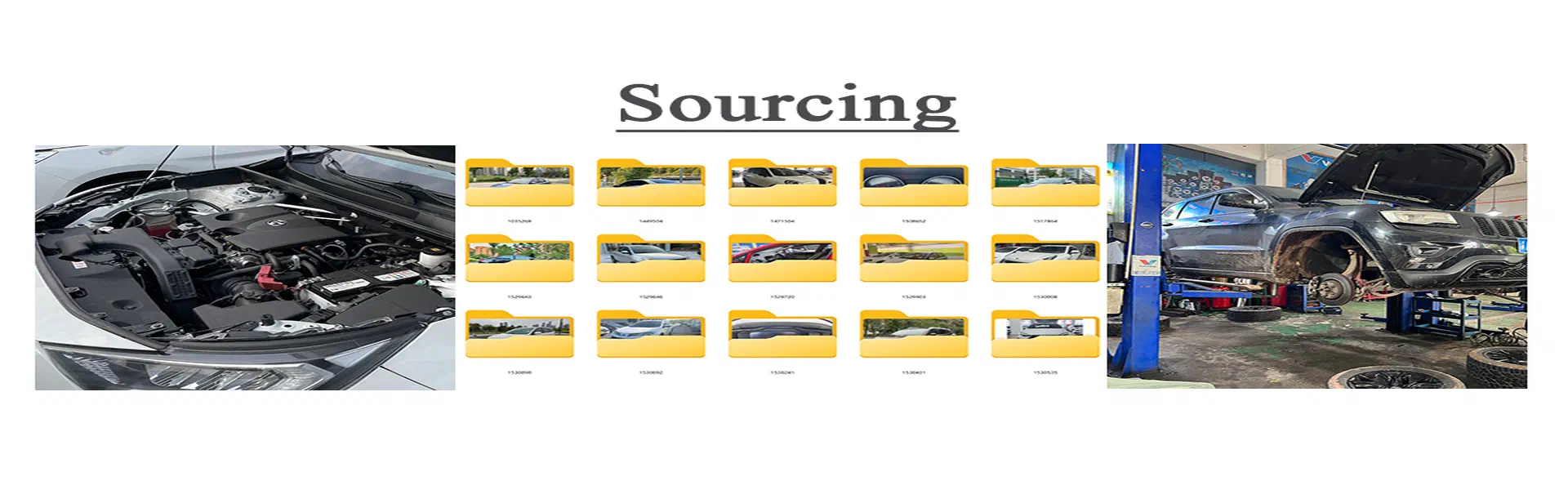
The sourcing channel affects the information available before payment. Dealer sourcing can provide a more direct route to vehicle documentation, service records and specification confirmation. It may also make it easier to arrange additional inspections or negotiate repairs before export. Auction sourcing can offer a wider selection, but the available records may be limited to auction descriptions, photographs and inspection notes. Some vehicles have incomplete service histories or previous body repairs. An attractive auction grade should therefore be treated as an initial screening result, not a guarantee of mechanical condition. The same principle applies to listings described using terms such as certified pre owned genesis gv80: certification language alone does not establish the inspection standard or history of a different vehicle.
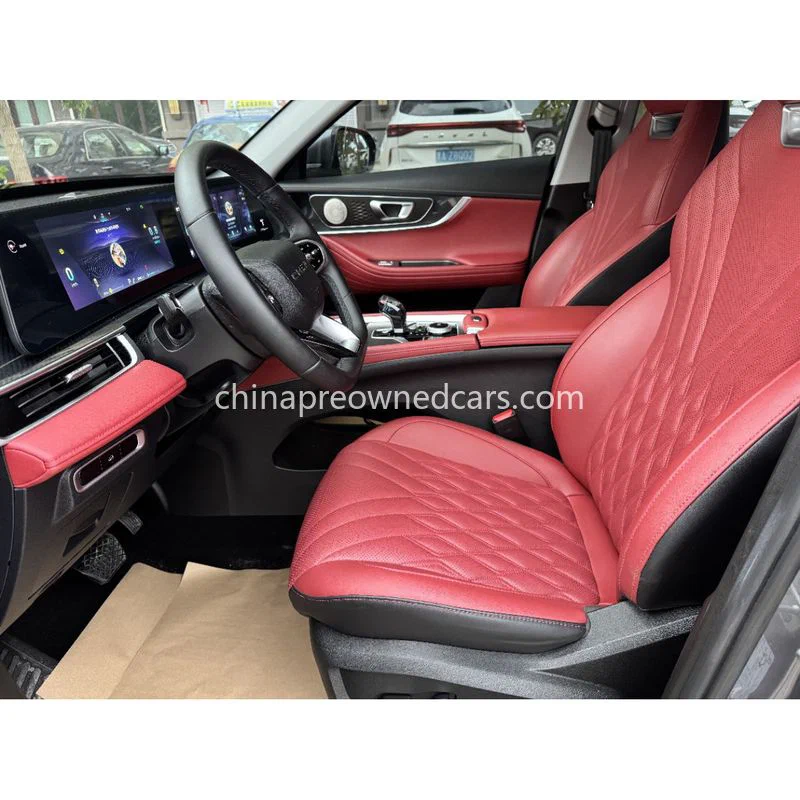
Condition grading should cover separate areas rather than relying on one overall label. Exterior assessment should identify repainting, panel replacement, dents, corrosion and evidence of structural repair. Interior checks should examine seat wear, dashboard condition, electronic controls, air conditioning and signs of water ingress. Mechanical inspection should include engine operation, transmission response, braking performance, steering, suspension and diagnostic fault codes. Mileage must be checked against available maintenance records, inspection documents and signs of wear inside the cabin. A low odometer reading is not sufficient evidence of light use. Where records conflict, the discrepancy should be resolved before purchase.
For the Tiggo 8 Pro, inspection should include the additional seating mechanisms, third-row seat belts, rear air conditioning where fitted and the electrical systems serving the larger cabin. The Tiggo 7 Plus requires attention to its own trim-specific equipment, including infotainment, driver assistance features and electronic controls. Both models should be checked for warning lights and stored diagnostic faults. A road test is useful for identifying transmission hesitation, suspension noise, steering vibration and abnormal braking behaviour. If a road test is unavailable, the inspection report should state that limitation rather than imply that the vehicle has passed a full driving assessment.

Export suitability and purchase arrangements
Road conditions influence the final choice. The Tiggo 8 Pro may suit buyers targeting customers who prioritise passenger capacity, while the Tiggo 7 Plus may be easier to position as a general-purpose urban and family SUV. Neither model should be selected solely on cabin size. Tyre availability, suspension component sourcing, local workshop familiarity and access to diagnostic equipment affect long-term ownership. Before ordering several vehicles, importers should identify whether local technicians can service the relevant engine and transmission versions. They should also check whether commonly replaced components can be sourced locally or must be ordered from China. Parts support should be confirmed by model year and specification, not assumed from the manufacturer’s presence in the market.
Drive side is another essential screening point. Most Chinese domestic-market vehicles are left-hand drive (LHD), including much of the available stock in these SUV ranges. This may suit some importing markets, but buyers must confirm the current registration and import rules for each destination. Right-hand-drive requirements or restrictions can make an otherwise suitable vehicle ineligible. Vehicle age limits, emissions rules, roadworthiness standards and inspection requirements also differ between countries and may change. The exporter should check the intended destination before finalising the vehicle specification. Buyers should not rely on an old customs notice or a rule applied to another East African or West African market.
Once a vehicle is selected, the export process normally includes document verification, pre-shipment inspection, export licensing and customs declaration in China. The buyer should receive a pro forma invoice identifying the model, year, VIN, agreed condition, specification and payment arrangements. Payment terms should define the deposit, balance payment trigger and documents supplied before shipment. Bank transfer details should be independently verified, particularly when payment instructions change. The inspection scope should be agreed in writing and include photographs, mileage, mechanical findings, body condition and any outstanding defects. After approval, the vehicle can be prepared for shipment by RoRo or container. RoRo is commonly used for operational vehicles that can be driven onto and off the vessel, while container shipping may suit buyers seeking enclosed transport or shipping arrangements involving multiple units. Freight availability, port handling and destination charges should be confirmed separately.
Q: Which Chery SUV is better for export, the Tiggo 8 Pro or Tiggo 7 Plus?
A: The Tiggo 8 Pro is more suitable when passenger capacity and cabin space are priorities. The Tiggo 7 Plus is a practical alternative for buyers seeking a smaller five-seat SUV, subject to the actual engine, drivetrain and condition.
Q: What documents should buyers request before purchasing a used Chery SUV from China?
A: Buyers should request the VIN, vehicle registration and ownership records, available service history, inspection report, pro forma invoice and export documentation details. They should also confirm the destination country’s current import requirements before authorising shipment.