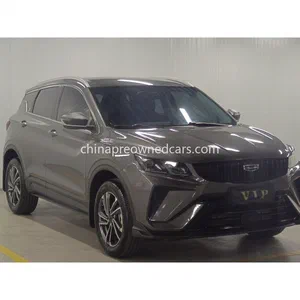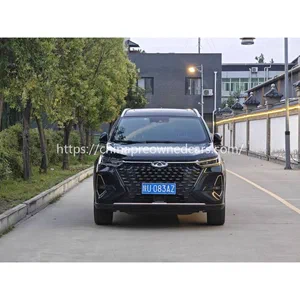
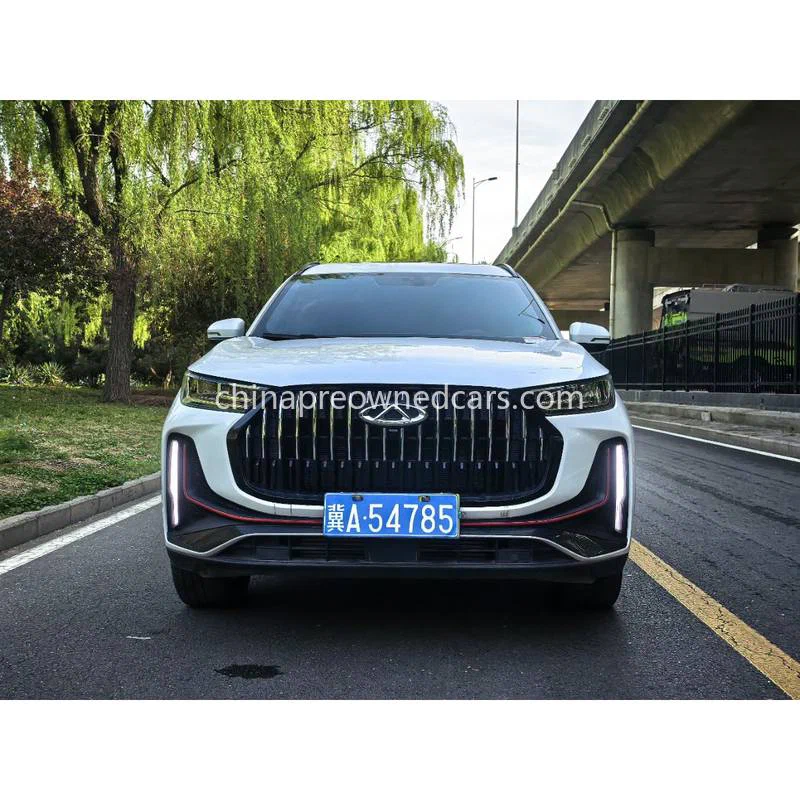
Certified used vehicles from China can reduce risk for African importers, but not every certification adds real value. For dealers and fleet buyers in Ghana, Nigeria, and North Africa, the most useful certification is the one that proves vehicle condition, reduces unexpected repair costs, and protects landed cost calculations.
What certification matters when buying export stock
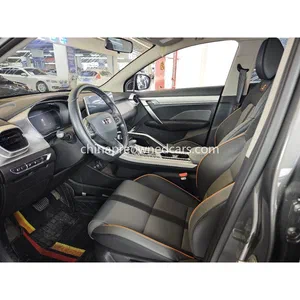
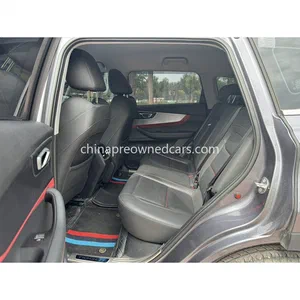
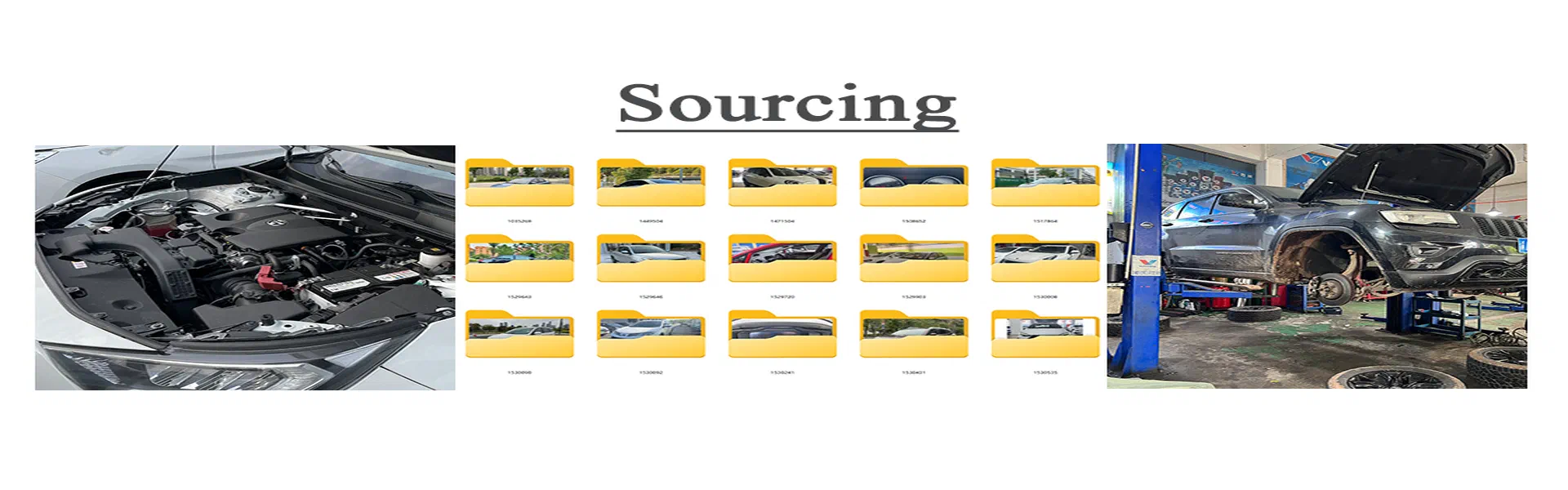
A reliable used vehicle certification should focus on facts that affect resale and operation after arrival. For left-hand-drive vehicles exported from China, buyers should look for a detailed inspection covering engine performance, transmission condition, accident history, chassis condition, electrical systems, tires, and interior wear. A certificate with clear inspection photos and test results is more valuable than a simple document showing that a vehicle was checked.
Vehicle history verification is also important. Export buyers should confirm mileage records, previous ownership information, maintenance records, and whether the vehicle has experienced major repairs. A low-mileage vehicle without service history may carry more risk than a higher-mileage unit with complete maintenance records.
Certification value versus landed cost
Importers should judge certification based on the total cost of ownership, not only the purchase price. A certified used SUV or passenger car may cost slightly more in China, but it can reduce repair expenses, delays, and customer complaints after customs clearance. Buyers should calculate the full landed cost, including vehicle price, shipping charges, insurance, import duty, port fees, and local clearance expenses.

For Ghana, Nigeria, and North African markets, condition consistency is especially important because dealers need predictable stock for resale. A professional inspection report helps buyers compare vehicles before shipment and avoid paying for units that require expensive repairs after arrival. Shipping methods such as RoRo and container shipping should also be considered when calculating final costs.
What dealers and fleet buyers should request
Before confirming an order, buyers should request certification documents that match the actual export vehicle. Important items include inspection reports, service records, export documents, VIN details, and clear photos or videos of the vehicle before loading. For fleet purchases, certification should also confirm reliability factors such as fuel economy, maintenance requirements, and spare parts availability.
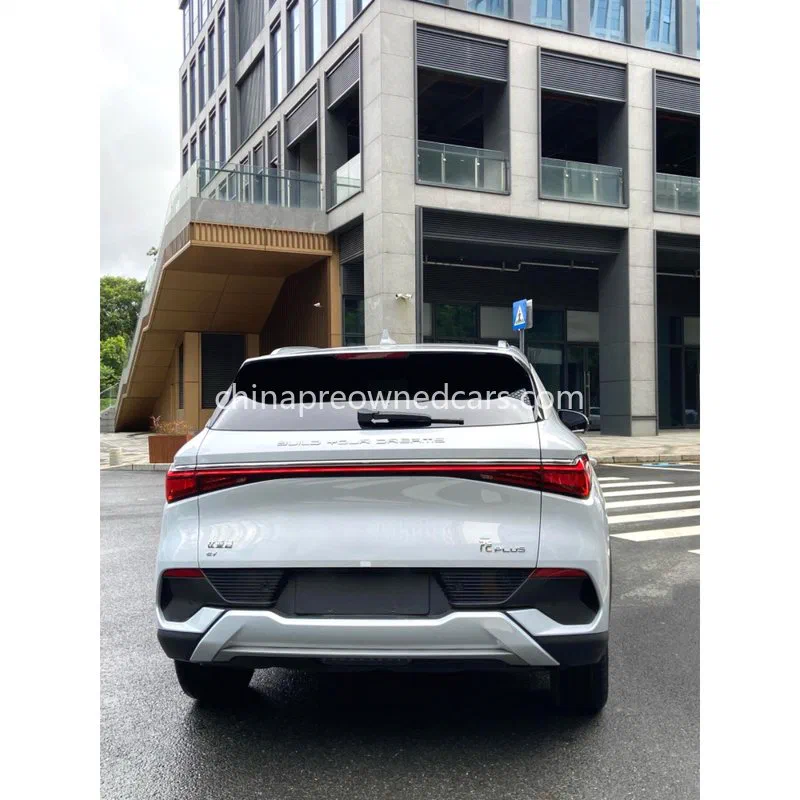
A good certification process does not replace due diligence, but it gives importers stronger information before making a purchase decision. The best export suppliers combine vehicle inspection, accurate documentation, and transparent communication to help buyers build profitable used-car inventory.
FAQ
Q: Is a certified used car worth paying more for when importing from China? A: Yes, if the certification includes detailed inspection results, vehicle history, and proof of condition. It can reduce unexpected repair costs and protect resale value.
Q: What documents should I request before shipping a used vehicle? A: Request inspection reports, service history, VIN information, export documents, and pre-shipment photos or videos.

Q: Does certification reduce import duty or shipping costs? A: Certification usually does not reduce duty or freight costs, but it helps buyers avoid losses caused by poor vehicle condition or hidden problems.