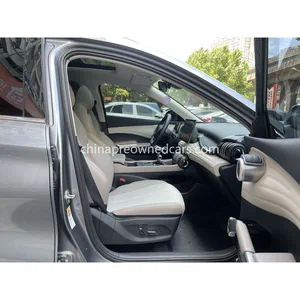
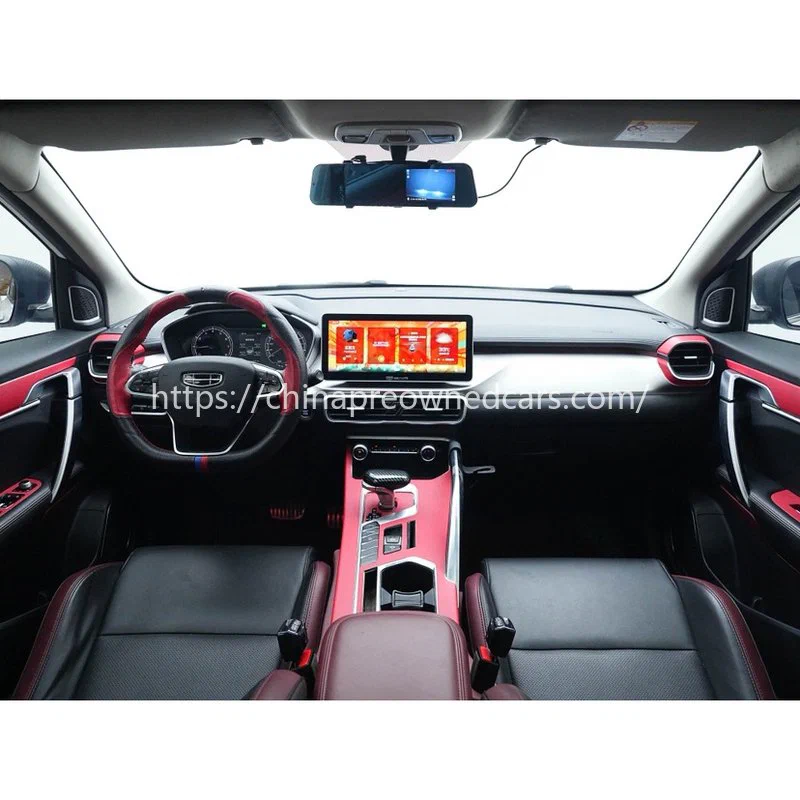
Choosing between CPO programs and standard used SUVs requires more than comparing purchase labels. Export buyers need to examine vehicle specifications, inspection records, market compatibility, and logistics requirements before selecting a unit from China.
The difference between a cpo certified pre owned vehicle and a standard used SUV often comes down to the inspection process, documentation, and preparation level rather than the basic vehicle type. For export transactions, technical suitability matters more than the name attached to the vehicle.
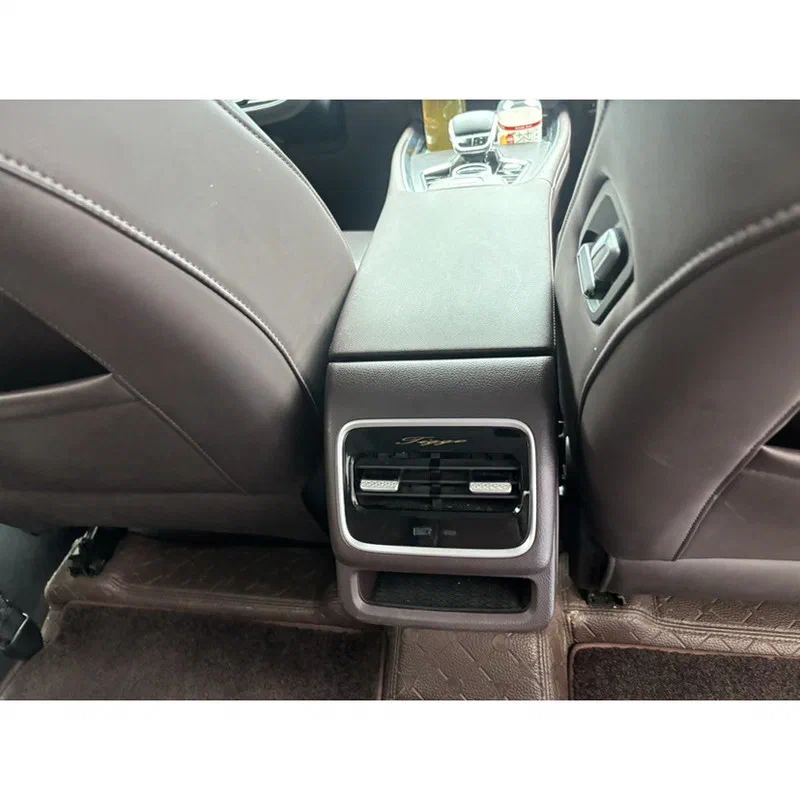
A pre-owned SUV prepared for export should be assessed through powertrain condition, energy system, service history, and destination requirements. A vehicle such as BYD Atto 3 may attract buyers looking for an electric SUV, while Chery Tiggo 7 Plus, Chery Tiggo 8 Pro, Geely Coolray, and Haval H6 may suit markets where fuel or hybrid options remain practical. The correct choice depends on operating conditions after import, including charging access, fuel availability, and local repair capability.
Technical comparison for export selection
Powertrain differences are one of the first points to check. Electric vehicles require attention to battery health, remaining capacity, charging standard compatibility, and battery transport considerations during export. A used BYD Atto 3 should be evaluated through battery data and inspection records rather than mileage alone. Hybrid SUVs add another layer because both the combustion system and electric components require verification.
Fuel consumption and emissions also affect market suitability. Buyers shipping vehicles to Ghana, Nigeria, Kenya, Uganda, or Tanzania should confirm current import requirements related to emission standards and vehicle age limits before purchase. A petrol SUV may fit locations with wider fuel supply, while an electric or hybrid SUV can be suitable where charging infrastructure and service support are developing. Requirements vary by country and should be checked before final shipment decisions.

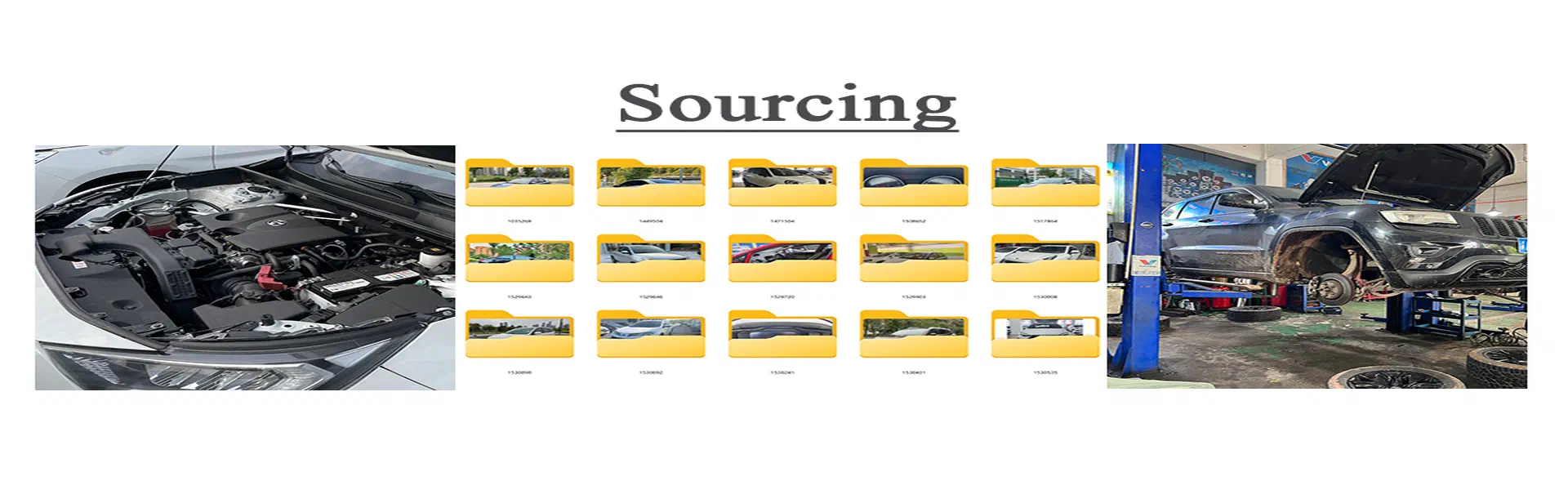
Condition grading is another area where CPO-style preparation and standard sourcing may differ. A professional exporter should provide information from vehicle inspection, including exterior condition, interior wear, mechanical checks, mileage verification, and VIN records. Dealer sourcing may provide more consistent documentation, while auction sourcing can offer wider vehicle selection but usually requires additional inspection before export approval.

Export preparation and practical checks
Before payment, buyers should confirm the sourcing process and inspection scope. Key checks include whether the vehicle history is available, whether mileage records can be verified, whether previous repairs are documented, and whether the vehicle condition matches the supplied photos and reports. A pre-shipment inspection is required for Chinese used vehicle exports, together with export licensing, customs declaration, and export documentation preparation.
Drive side is a major consideration that is sometimes missed. Most Chinese domestic vehicles are left-hand drive, including many units sourced for export. This can work for many overseas markets, but buyers should confirm road regulations and vehicle acceptance rules because some countries have different drive-side requirements. Right-hand-drive markets may require vehicles sourced specifically for that configuration.
Shipping method also affects sourcing decisions. Export vehicles from China are commonly transported by RoRo shipping or loaded into containers. RoRo can be suitable for standard vehicle transport, while container shipping may be selected depending on route, protection requirements, or shipment arrangements. Shipping lead time varies by destination, port schedule, customs procedures, and documentation completion.
Choosing the right sourcing route
A dealer-based purchase and an auction-based purchase each have different trade-offs. Dealer sourcing may simplify communication, inspection coordination, and document collection. Auction sourcing can provide access to more vehicles but requires stronger evaluation procedures because condition information may need further confirmation before export.
Payment terms should also be reviewed before a transaction begins. Export buyers should understand when inspection takes place, when documents are released, and how shipping arrangements are confirmed. Clear communication between buyer and exporter reduces problems caused by missing records or unexpected preparation work.
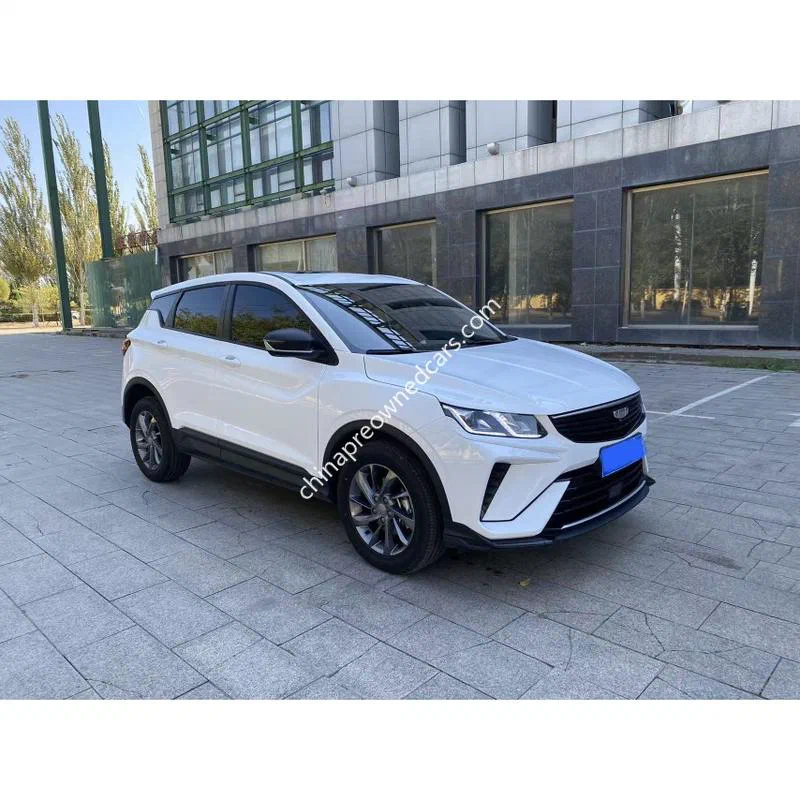
After-sales support should be considered before selecting a supplier. For export buyers in markets such as Ghana, Nigeria, Kenya, Uganda, and Tanzania, access to technical information, spare parts guidance, and vehicle documentation can help local operators maintain imported SUVs. A suitable used vehicle is not only a purchase decision but also a long-term service consideration.
FAQ
Q: What is the main difference between CPO and standard used SUVs for export? A: CPO-style vehicles usually involve a more structured inspection and preparation process, while standard used SUVs depend more on the individual vehicle history and verification completed before export.
Q: What should buyers check before importing a used SUV from China? A: Buyers should verify vehicle condition, VIN information, inspection records, drive side, energy system details for EVs, and current import requirements in the destination country.