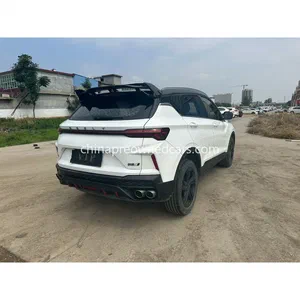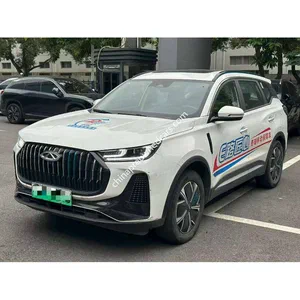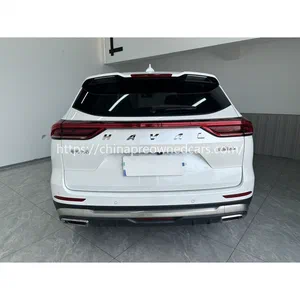
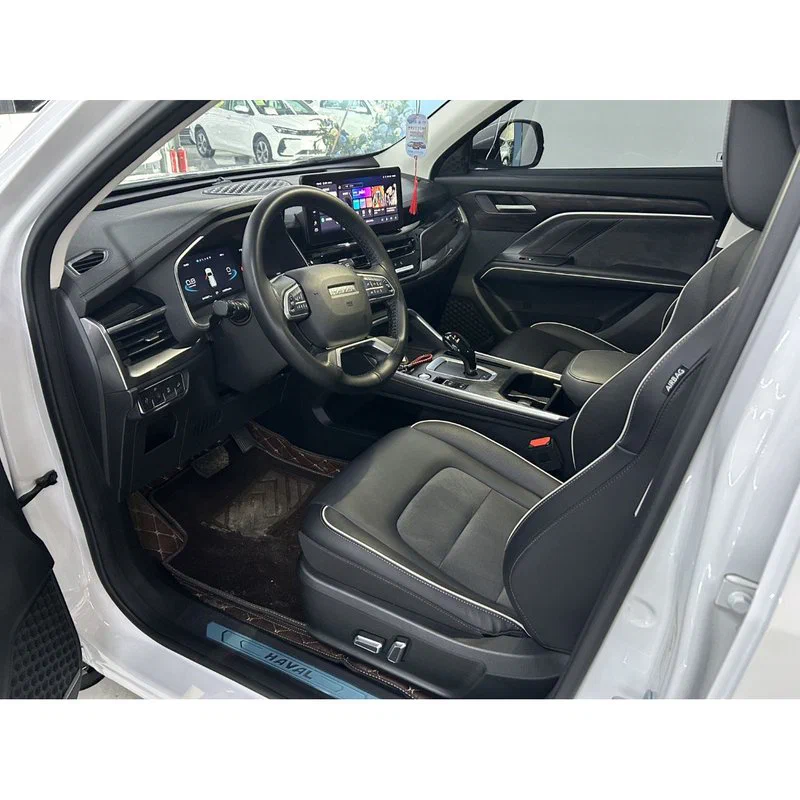
The BYD Atto 3 and Geely Coolray represent two different approaches to sourcing a used SUV from China: fully electric driving and conventional petrol operation. For export buyers in Ghana, Nigeria, Kenya, Uganda and Tanzania, the decision involves more than vehicle specifications. Charging access, fuel availability, import compliance, maintenance arrangements and the quality of the individual vehicle all affect the purchase.
Powertrain, Range and Operating Requirements
The BYD Atto 3 is a battery-electric SUV. It produces no exhaust emissions during driving and does not require engine oil changes, fuel filters or conventional engine servicing. Its suitability for export depends heavily on the destination’s charging infrastructure. Buyers should check the available charging connectors, AC and DC charging compatibility, local electricity supply and access to public charging facilities. The battery’s usable capacity and actual driving range also need to be assessed against the vehicle’s age, mileage and battery condition.
The Geely Coolray uses a petrol engine and conventional refuelling infrastructure. It does not depend on charging stations, making it a more straightforward option in locations where public EV charging remains limited. Actual fuel consumption varies with engine condition, transmission performance, driving conditions and maintenance history. The Atto 3 can reduce routine powertrain maintenance requirements, but battery degradation and replacement costs introduce a different financial consideration. The Coolray avoids traction-battery concerns, although its engine, gearbox and emissions equipment require careful inspection.

Sourcing and Export Compatibility
Choosing between these vehicles should begin with destination-market requirements rather than advertised specifications. Ghana, Nigeria, Kenya, Uganda and Tanzania each have import rules covering vehicle age, emissions, documentation and roadworthiness. Requirements can change, so buyers should confirm the current regulations before paying a deposit. The Coolray’s petrol emissions classification must be checked against the applicable local standard. The Atto 3 avoids tailpipe emission classification in the conventional sense, but this does not automatically exempt it from vehicle import or technical approval requirements.
Drive configuration is another important check. Most Chinese domestic-market vehicles are left-hand drive, including much of the inventory sourced for export. Buyers should verify whether LHD vehicles are permitted and registrable in their destination. This matters particularly when sourcing for markets with right-hand-drive road systems. A vehicle’s steering configuration should be confirmed from photographs and physical inspection, not inferred from its model name. Buyers researching terms such as cpo x5 should apply the same verification discipline rather than assuming that a certification label guarantees export suitability.
How to Source and Inspect Before Payment
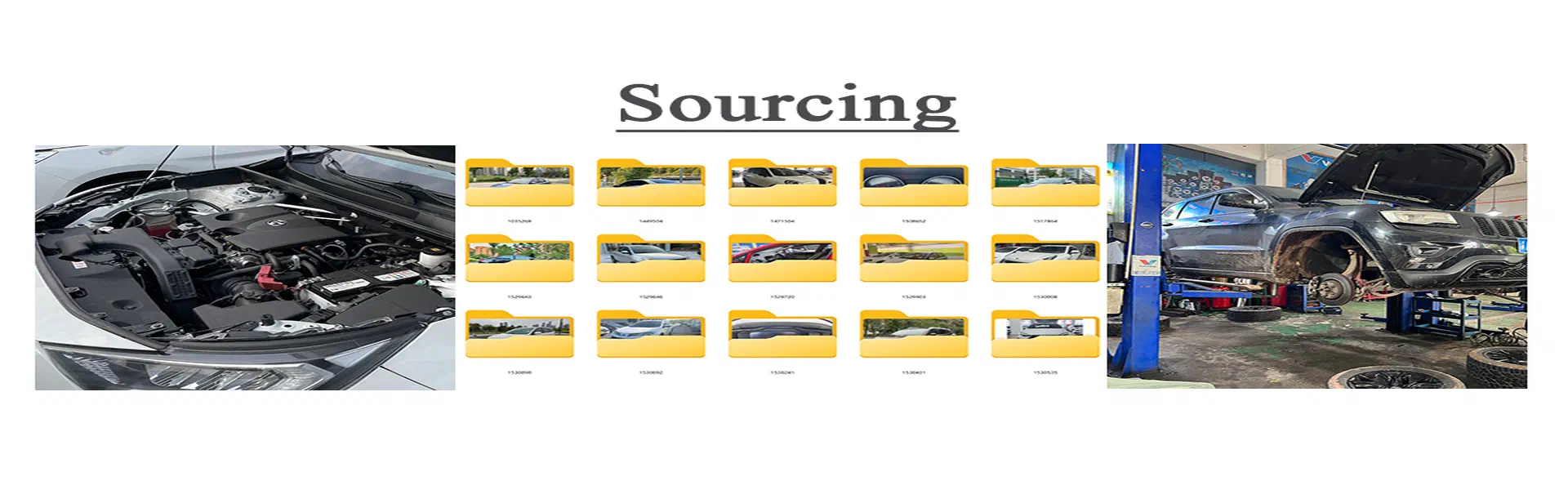
Dealer sourcing and auction sourcing involve different levels of visibility. Dealers may provide more direct access to vehicle photographs, service records and inspection arrangements. Auctions can offer a broader selection, but condition information may be limited to the available listing and auction report. Neither channel removes the need for independent verification. Before selecting an Atto 3 or Coolray, request the VIN, registration documents, available service history, mileage records and detailed photographs of the exterior, interior and underbody.
A pre-shipment inspection should cover body repairs, paint inconsistencies, structural damage, suspension, tyres, braking components, warning lights and evidence of water ingress. For the Coolray, inspect engine operation, transmission behaviour, cooling systems and emissions-related components. For the Atto 3, request a battery state-of-health assessment, charging-system test, diagnostic scan and confirmation of charging-port compatibility. Condition grading should be supported by written findings and photographs. Odometer readings should also be compared with available maintenance and inspection records.
Payment arrangements need to be agreed before the transaction proceeds. Buyers should establish the deposit amount, balance payment conditions, inspection responsibilities and documentation provided before shipment. Avoid releasing the full balance solely against listing photographs. The exporter should explain the export licence arrangements, customs declaration, pre-shipment inspection and shipping documentation. Once cleared for export, vehicles can travel by RoRo or in containers. RoRo is generally suited to operable vehicles, while container shipping offers enclosed transport and may suit shipments requiring additional protection. Shipping schedules and destination-port charges should be confirmed separately.
FAQ
Q: Is the BYD Atto 3 or Geely Coolray better for export to Africa?
A: The Atto 3 suits buyers with dependable charging access and established EV servicing arrangements. The Coolray is more practical where petrol refuelling and conventional vehicle maintenance are easier to access.
Q: What documents and inspections should buyers request before purchasing?
A: Request the VIN, ownership and registration documents, available service history, mileage evidence and a detailed inspection report. EV purchases should additionally include a battery health assessment and charging compatibility checks.