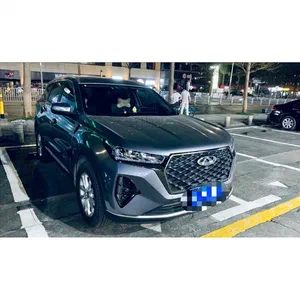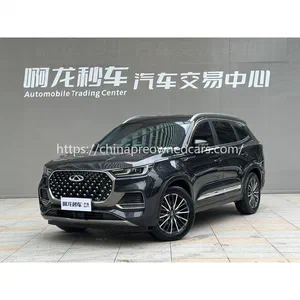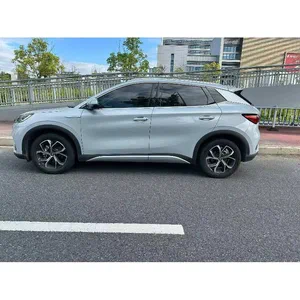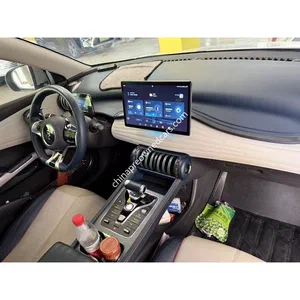
The BYD Atto 3 and Chery Tiggo 7 Plus serve different requirements in the export market. The Atto 3 is a fully electric SUV, while the Tiggo 7 Plus uses a petrol powertrain. For buyers sourcing used vehicles from China for Ghana, Nigeria, Kenya, Uganda or Tanzania, the decision depends on charging access, fuel availability, import compliance and the condition of the individual vehicle.
The first sourcing decision is to establish which powertrain suits the destination. The BYD Atto 3 runs entirely on battery power, eliminating petrol consumption during operation. Its suitability depends on access to dependable charging, local electricity supply and the availability of compatible charging equipment. Buyers should confirm the vehicle’s charging connector, AC and DC charging specifications, onboard charging capacity and compatibility with local infrastructure. Advertised driving range should not be treated as a guaranteed operating distance. Battery age, state of health, temperature, driving conditions and charging habits all affect actual range. The Chery Tiggo 7 Plus uses a petrol engine, making it more straightforward to operate where public charging infrastructure remains limited. Fuel consumption, engine condition and transmission performance require verification through inspection and, where possible, a road test.
Destination regulations create another distinction. Petrol vehicles must be checked against the applicable emission requirements, vehicle age restrictions and roadworthiness rules in the importing country. The Atto 3 avoids exhaust emissions during driving, but this does not automatically exempt it from vehicle registration, customs or other import requirements. Buyers in Ghana, Nigeria, Kenya, Uganda and Tanzania should confirm current regulations before paying a deposit. Drive side is equally important. Most vehicles sourced from China’s domestic market are left-hand drive (LHD). This suits destinations where LHD vehicles are permitted, but can create a significant barrier in markets with right-hand-drive requirements or restrictions on LHD imports. The destination authority should confirm eligibility for the exact vehicle configuration, not simply the model name.
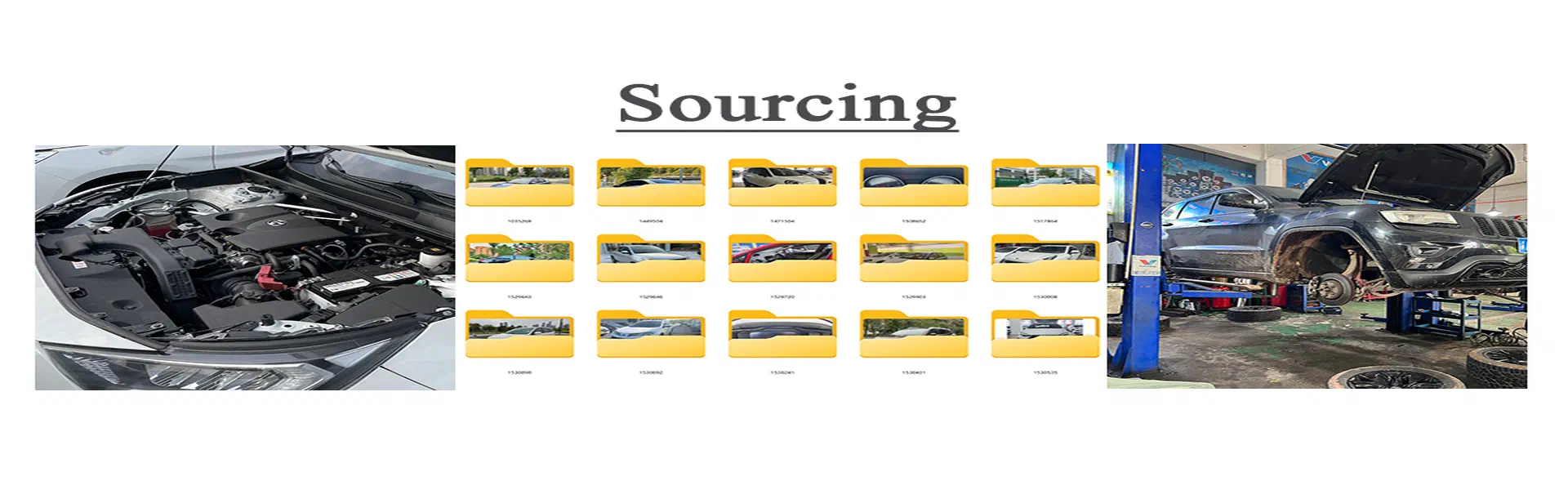
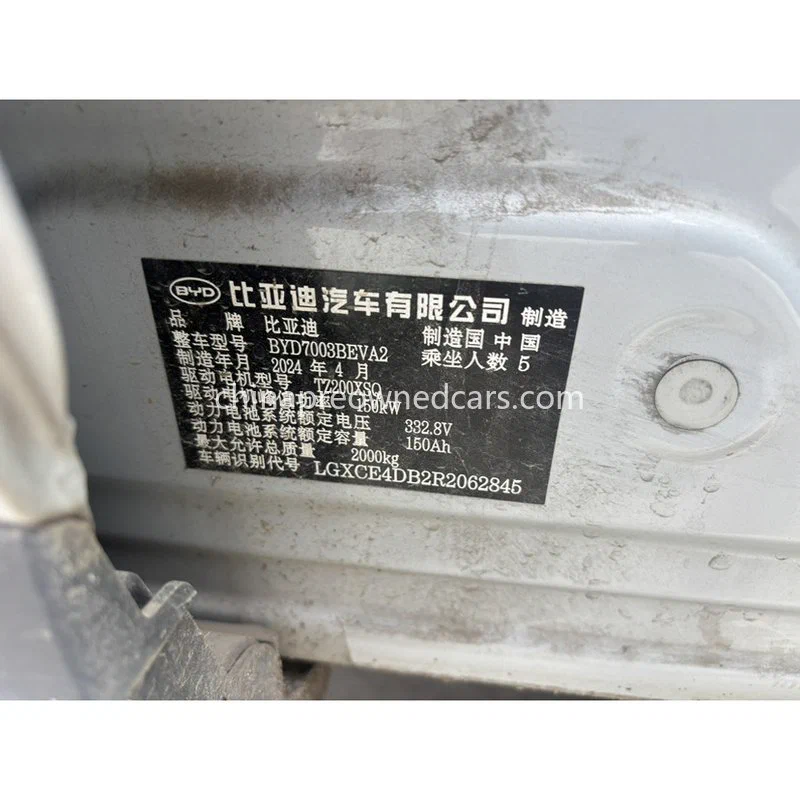
Sourcing quality matters more than choosing a model based on its specification sheet. A dealer purchase and an auction purchase involve different checks. Dealers may provide a more direct route to vehicle records and physical inspection, while auction sourcing can offer access to a broader selection but may involve limited inspection time and less complete history. For either route, obtain the VIN and compare it with the registration documents, vehicle identification plates and available service records. Check recorded mileage against maintenance history, inspection records and visible wear on the steering wheel, pedals, seats and tyres. Mileage alone does not establish condition. A vehicle condition grade should be supported by a written assessment identifying body repairs, paintwork, structural damage, interior wear and mechanical faults. Any grading system should be explained before purchase.
The inspection process should reflect the powertrain. For the Tiggo 7 Plus, checks should cover cold starting, engine noise, exhaust condition, transmission response, cooling performance, suspension, braking and diagnostic fault codes. For the Atto 3, battery state of health (SOH) deserves particular attention. Request a diagnostic report showing available battery capacity and relevant fault information. Inspect the battery enclosure for damage and check charging operation, warning messages, thermal management and high-voltage system records. A battery percentage displayed on the dashboard is not a substitute for an SOH assessment. Buyers should also establish whether replacement parts, diagnostic equipment and qualified technicians are accessible in the destination market. Petrol vehicles may have more familiar servicing requirements, while EV support can depend on local BYD expertise and access to compatible components. Parts availability should be checked for both models before shipment.
Payment and export arrangements should be agreed before the vehicle is released for shipping. The purchase agreement should identify the exact vehicle, VIN, condition assessment, included equipment, payment milestones and responsibility for inspection costs. Buyers should clarify whether payment is made directly to the supplier or through an agreed trading arrangement, and verify the recipient’s business details before transferring funds. China’s used vehicle export process requires the appropriate export licensing, customs declaration and pre-shipment inspection. Documentation should be checked for consistency, including the commercial invoice, vehicle ownership and export documents, inspection records and shipping paperwork. RoRo shipping is generally suitable for operational vehicles that can be driven onto a vessel. Container shipping offers an alternative where additional protection or specific cargo arrangements are required, although loading and handling costs must be considered. For a buyer searching for a used car for sale suv, the quoted vehicle price is only one part of the landed cost. Freight, insurance, port charges, customs duties and local clearance expenses also affect the purchase decision. Shipping schedules depend on vessel availability, port arrangements and documentation readiness.

FAQ
Q: Which is more suitable for export, the BYD Atto 3 or Chery Tiggo 7 Plus?
A: The Atto 3 suits buyers with dependable charging access and local EV servicing. The Tiggo 7 Plus may be more practical where petrol infrastructure and conventional workshop support are more accessible.
Q: What battery checks are necessary when sourcing a used BYD Atto 3?
A: Request a battery SOH diagnostic report, check charging performance and inspect the battery enclosure. Also review fault codes and available battery service records.
Q: Can left-hand-drive versions of these SUVs be exported to Ghana, Nigeria, Kenya, Uganda and Tanzania?
A: Export feasibility depends on each destination’s current import and registration rules. Confirm LHD eligibility, vehicle age restrictions, emissions requirements and documentation requirements before purchase.