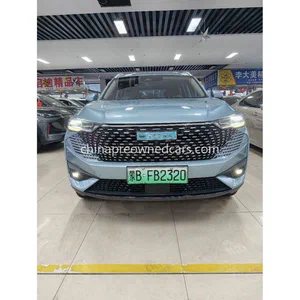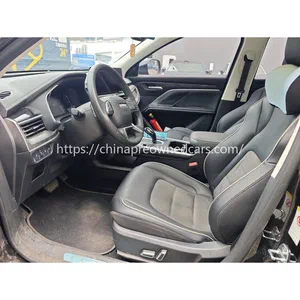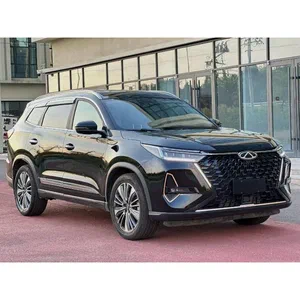
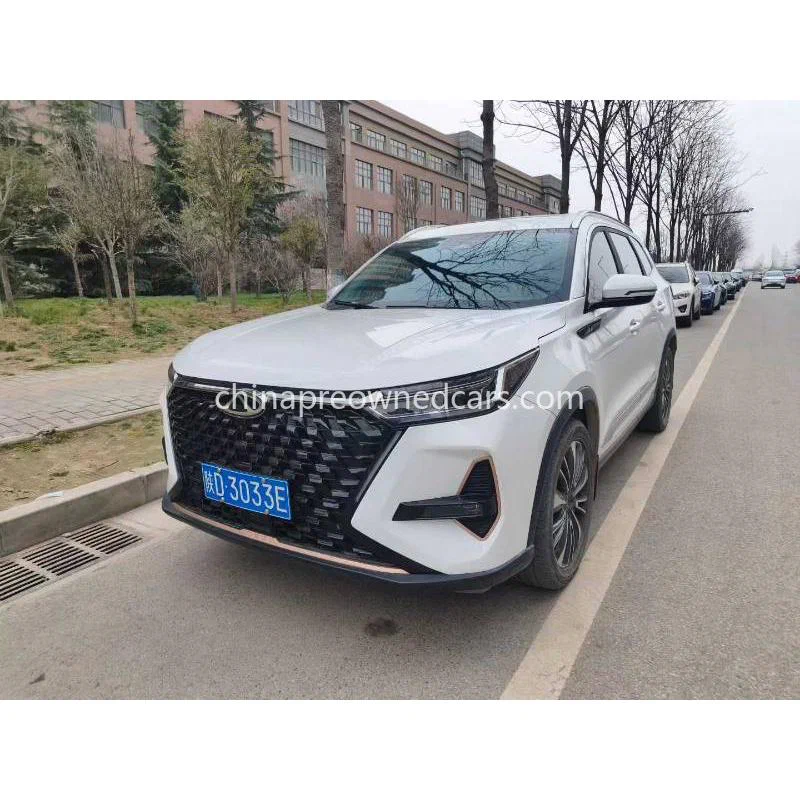
Used EV exports from China require more than selecting a low purchase price. This page explains how buyers source pre-owned electric and hybrid SUVs, with attention to battery checks, export procedures, and destination market requirements. The process applies to vehicles such as BYD Atto 3 and other Chinese-brand models prepared for overseas shipment.
Battery state of health is the first technical check for a used EV. A buyer should review battery capacity reports, charging history where available, current usable capacity, and signs of abnormal degradation. Range loss affects resale value, especially in markets where charging points are limited. Vehicles should also be checked for previous accidents, water exposure, maintenance records, mileage consistency, and overall condition grading before purchase.
Battery and export preparation checks
Charging compatibility is another key factor before exporting electric vehicles. Chinese domestic vehicles commonly use the GB/T charging standard, while many overseas markets rely on CCS or CHAdeMO systems. Ghana, Nigeria, Kenya, Uganda, and Tanzania have different levels of charging infrastructure development, so buyers should confirm local connector availability and charging plans before choosing a vehicle.
Used EV shipping also requires attention to battery transport rules. Lithium-ion batteries are regulated under dangerous goods requirements, including UN 3480 classifications for certain battery shipments. Export arrangements need proper documentation, inspection procedures, and shipping coordination. Vehicles may be shipped by RoRo or loaded into containers depending on the vehicle type, route, and logistics plan.

Sourcing process for overseas buyers
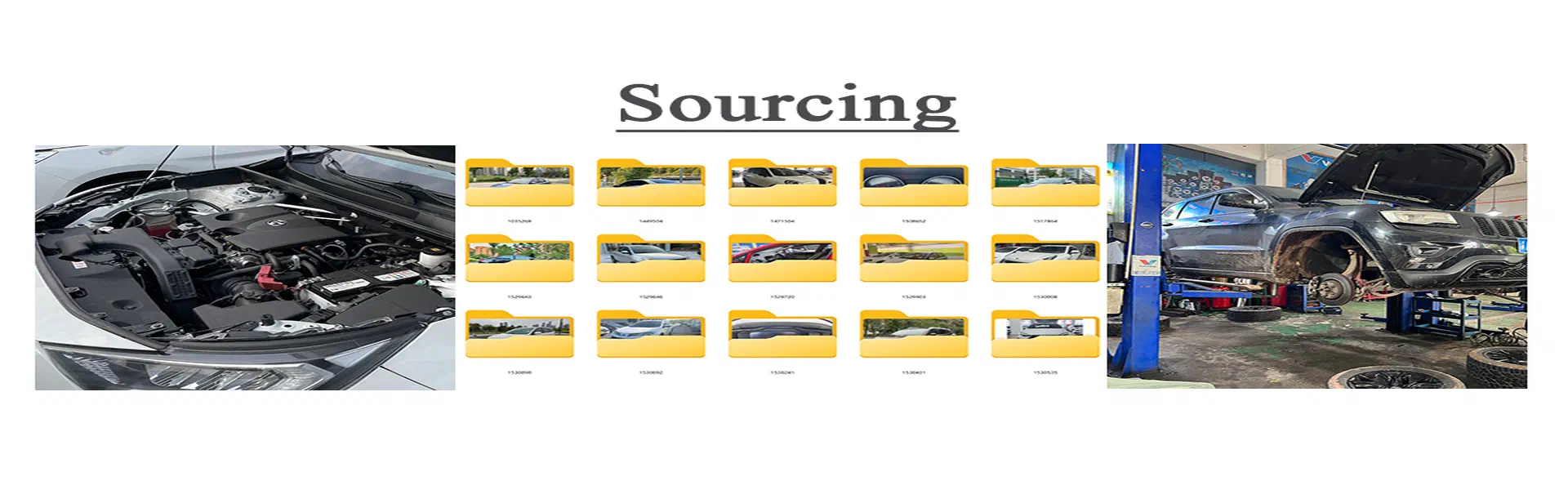
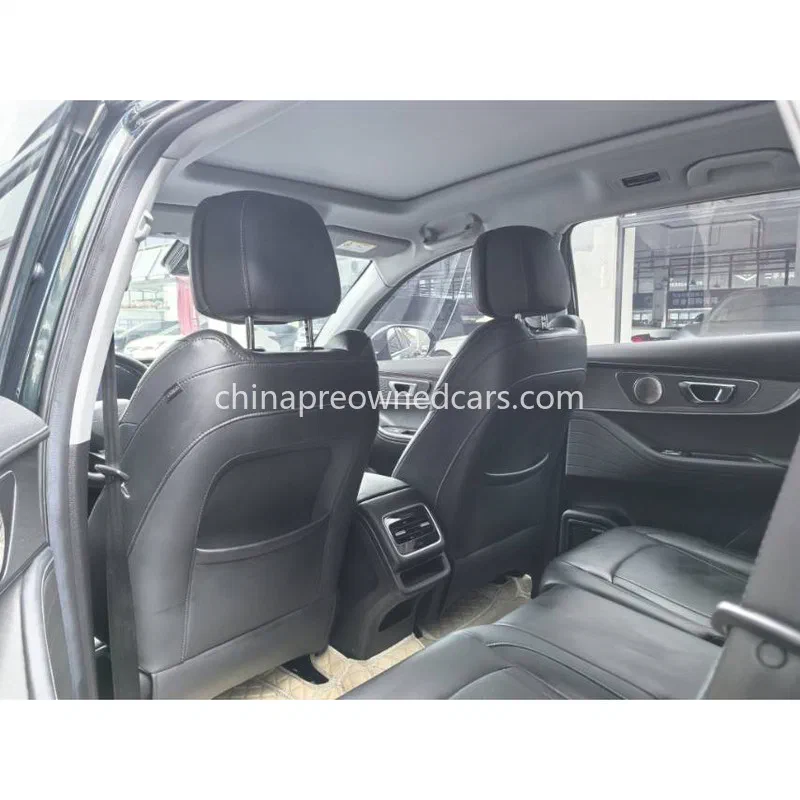
Finding suitable vehicles requires checking the source channel. Dealers and auctions can provide access to Chinese domestic used vehicles, but the verification process differs. A pre-purchase inspection should cover VIN verification, exterior and interior condition, electrical systems, battery information, and service history. Search terms such as cars for sale used under 2000 may appear online, but low purchase cost alone does not show export suitability.
Exporters handle procedures including export licensing, customs declaration, pre-shipment inspection, and shipping documentation. Payment terms should be reviewed before a transaction begins, with clear records of vehicle specifications, inspection findings, and agreed services. Destination authorities set their own rules for vehicle age, emissions, drive side, and roadworthiness, so import requirements should be confirmed before shipment.
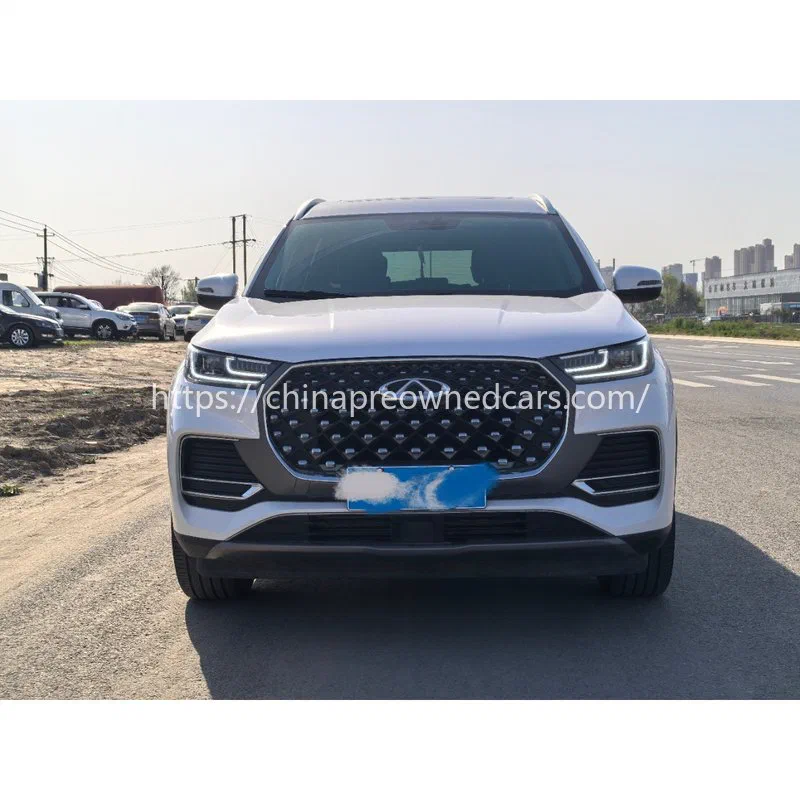
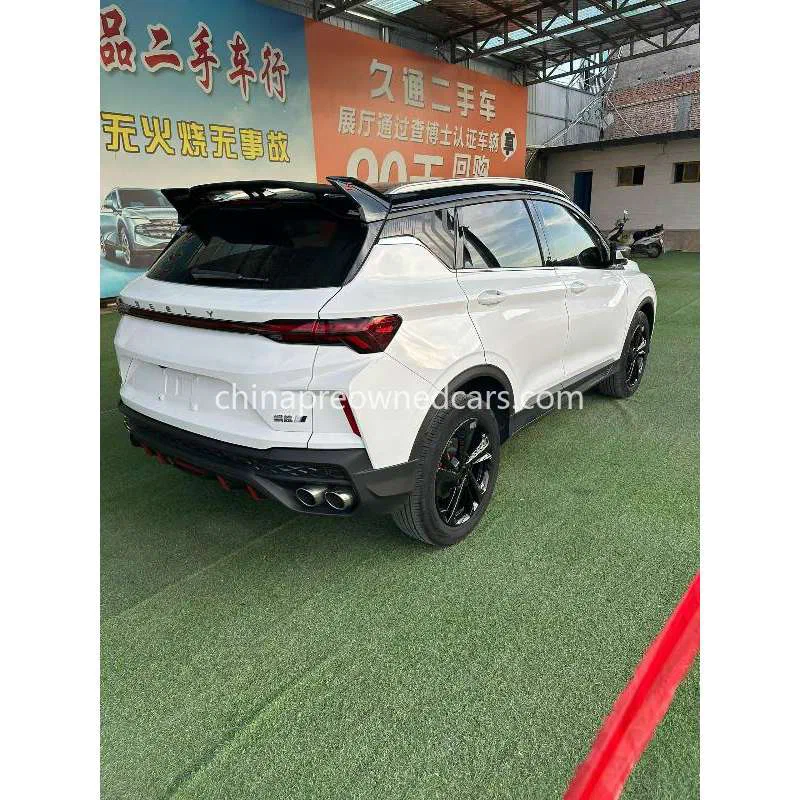
Most Chinese domestic vehicles are left-hand drive, which fits many markets but may not suit countries requiring right-hand-drive vehicles. Buyers should confirm local regulations before sourcing models such as Chery Tiggo 7 Plus, Chery Tiggo 8 Pro, Geely Coolray, or Haval H6. Hybrid vehicles also require checks on battery systems, fuel systems, and maintenance history because their condition assessment differs from fully electric vehicles.
For buyers comparing pre-owned vehicles from China, the focus should remain on documentation, inspection quality, and operating conditions after arrival. Battery health reports, charging compatibility, expected driving range, and local service availability all influence long-term ownership value. Export support after shipment can include document assistance and communication on technical questions, but local maintenance arrangements should be planned in advance.
FAQ
Q: How is used EV battery health checked before export? A: Battery health is reviewed through available diagnostic reports, capacity information, charging data, and inspection results. Buyers should verify the information before purchase.
Q: Can Chinese EVs use charging systems overseas? A: Compatibility depends on the vehicle connector and the destination charging network. GB/T, CCS, and CHAdeMO standards should be checked against local infrastructure.
Q: What documents are needed to export used electric vehicles from China? A: Export licensing, customs declaration, pre-shipment inspection records, and shipping documents are typically required. Final import documents depend on the destination country.