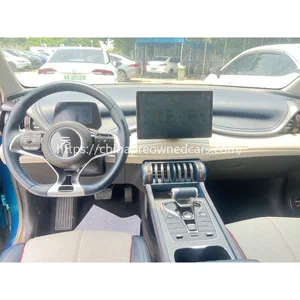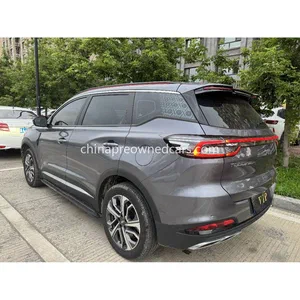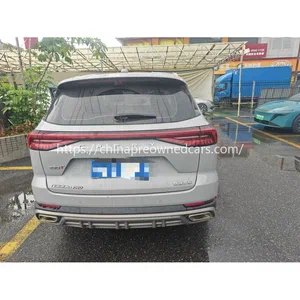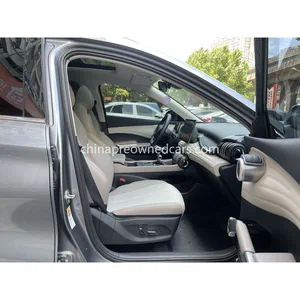
Buying a used vehicle from China requires document checks, vehicle inspection, and export planning before any payment is made. This guide explains the main steps overseas buyers should follow when they source Chinese pre-owned SUVs and electric vehicles for markets such as Ghana, Nigeria, Kenya, Uganda, and Tanzania.
Inspection Checklist
The first step is confirming the vehicle itself. A buyer looking to buy second hand vehicle units from China should request clear information on mileage, service records, accident history, ownership background, and current condition grading. Mileage should be compared with maintenance records and available vehicle data, while the VIN should be checked for consistency across the vehicle, documents, and inspection records. A professional inspection before shipment helps identify exterior damage, mechanical issues, interior wear, and missing maintenance information.
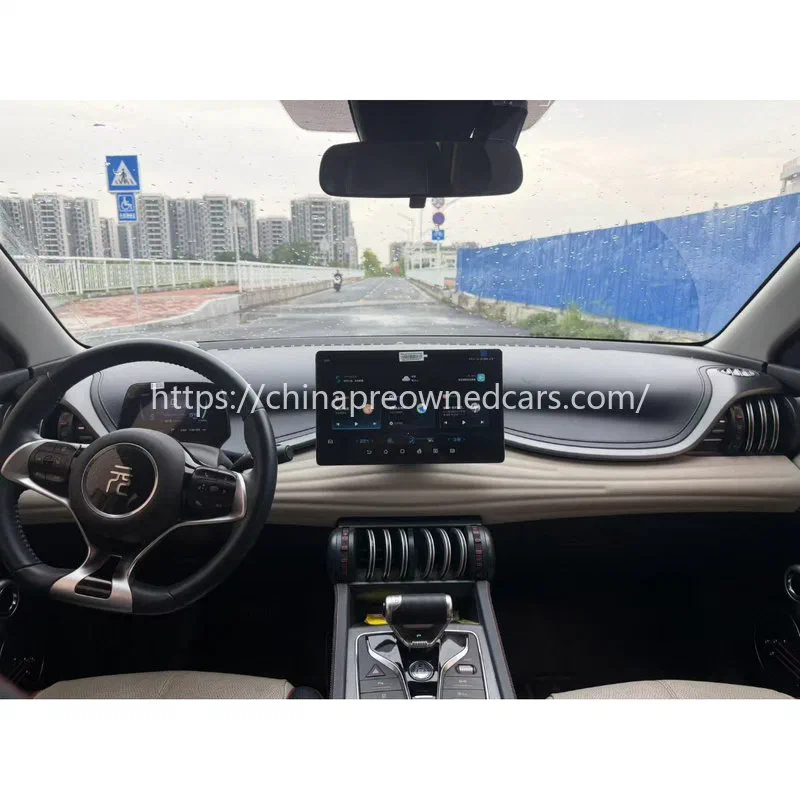
For electric and hybrid vehicles, additional checks are required. Models such as BYD Atto 3 need battery-related verification that is different from a combustion vehicle inspection. Buyers should review battery health information, charging performance, battery usage history, and any available technical records. Hybrid models such as Chery Tiggo 7 Plus and Chery Tiggo 8 Pro also require checks on both the fuel system and electric components. The inspection result should describe actual findings rather than provide assumptions about future performance.
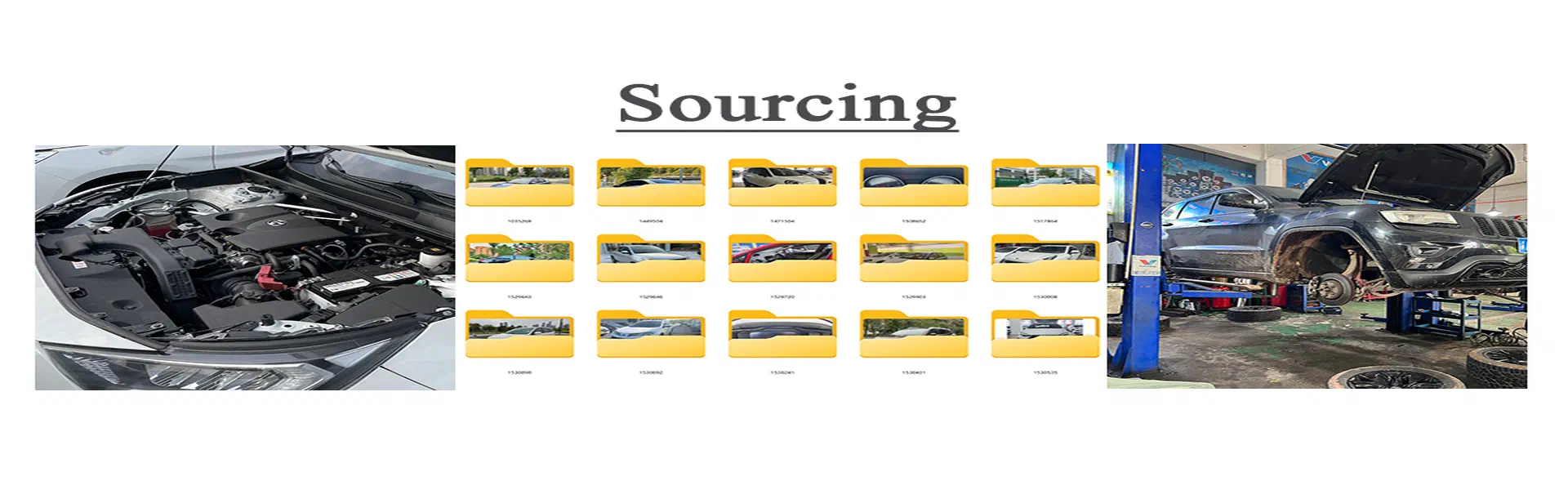
The source of the vehicle also affects the buying process. Exporters may obtain vehicles through domestic dealer networks, used vehicle platforms, or auction channels. Auction-sourced vehicles can offer more options but may require stronger inspection procedures because background information can vary. A direct dealer source may simplify communication, but buyers should still verify the exporter’s experience, company registration details, export capability, and previous handling of international shipments.
Export Preparation

After selecting a vehicle, documentation becomes a key part of the transaction. Chinese used vehicle exports require export licensing, customs declaration, and pre-shipment inspection before shipment. Buyers should request relevant export documents, inspection records, customs clearance paperwork, and vehicle ownership documents required for the transaction. The exact import paperwork needed after arrival depends on the destination country’s rules.
Shipping arrangements should also be confirmed early. Vehicles are commonly transported through RoRo shipping or loaded into containers, depending on route availability, vehicle type, and buyer requirements. Exporters should explain the planned shipping method, estimated process stages, and responsibilities for each party. Shipping lead times can vary due to vessel schedules, port operations, and customs procedures.
Payment terms are another area that needs attention before a purchase agreement is completed. Standard international vehicle transactions usually define payment stages, document release conditions, and inspection timing clearly. Buyers should avoid making decisions based only on vehicle photos or basic listings. A transparent exporter will provide supporting records and explain what is included in the transaction, from sourcing to port delivery.
Destination regulations must be checked before shipment. Most Chinese domestic vehicles are left-hand drive, which suits many markets but may not meet requirements in countries where right-hand-drive vehicles are required. Ghana, Nigeria, Kenya, Uganda, and Tanzania each have their own rules covering vehicle age limits, emission standards, roadworthiness, and import procedures. These requirements can change, so buyers should confirm current regulations with local authorities or import specialists before shipping.
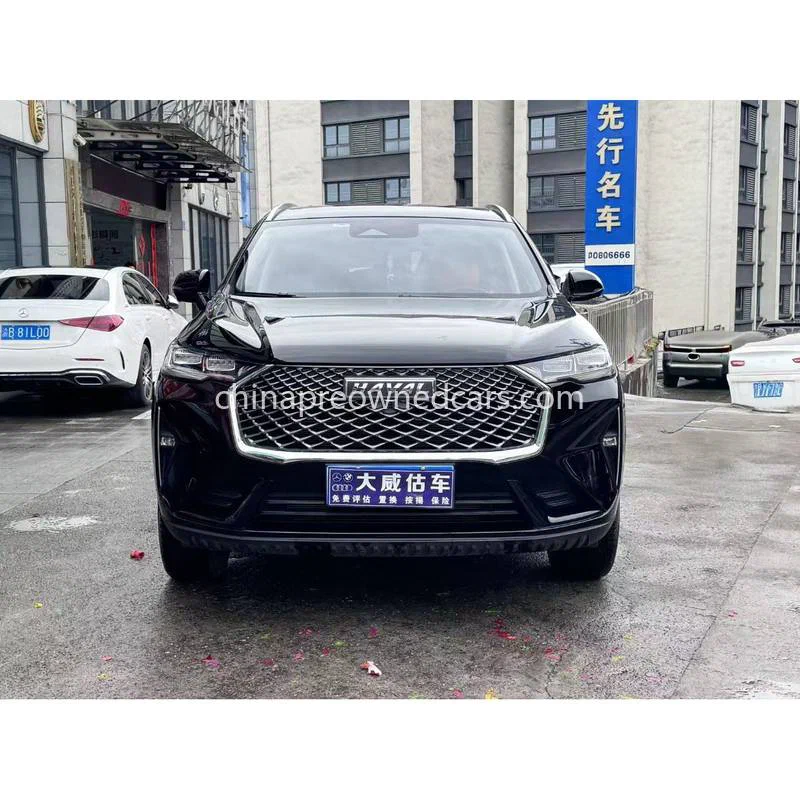
Common problems in used vehicle imports often come from missing checks rather than the vehicle model itself. Buyers should confirm VIN details, inspection scope, battery condition where applicable, and document accuracy before final payment. For Chinese SUVs such as Geely Coolray and Haval H6, the final assessment should focus on the actual unit being purchased, not only the general reputation of the model. Export support after arrival, including communication on parts availability and technical questions, is also an important factor when selecting a supplier.
FAQ
Q: What documents should a buyer request before importing a used vehicle from China? A: Buyers should request vehicle inspection records, export license information, customs clearance paperwork, and other documents required for the destination market. The exact documents depend on the import process of each country.
Q: Are Chinese used electric vehicles suitable for overseas markets? A: Chinese used EVs can be suitable when battery health, charging compatibility, and local import requirements are checked before purchase. Destination rules and charging infrastructure should be reviewed before shipment.