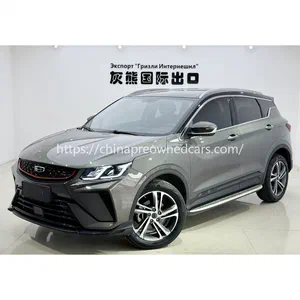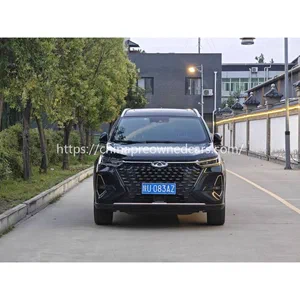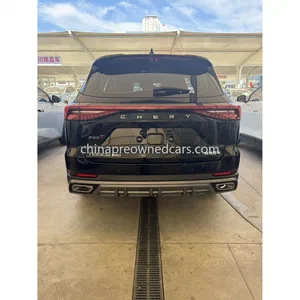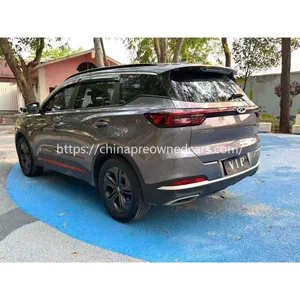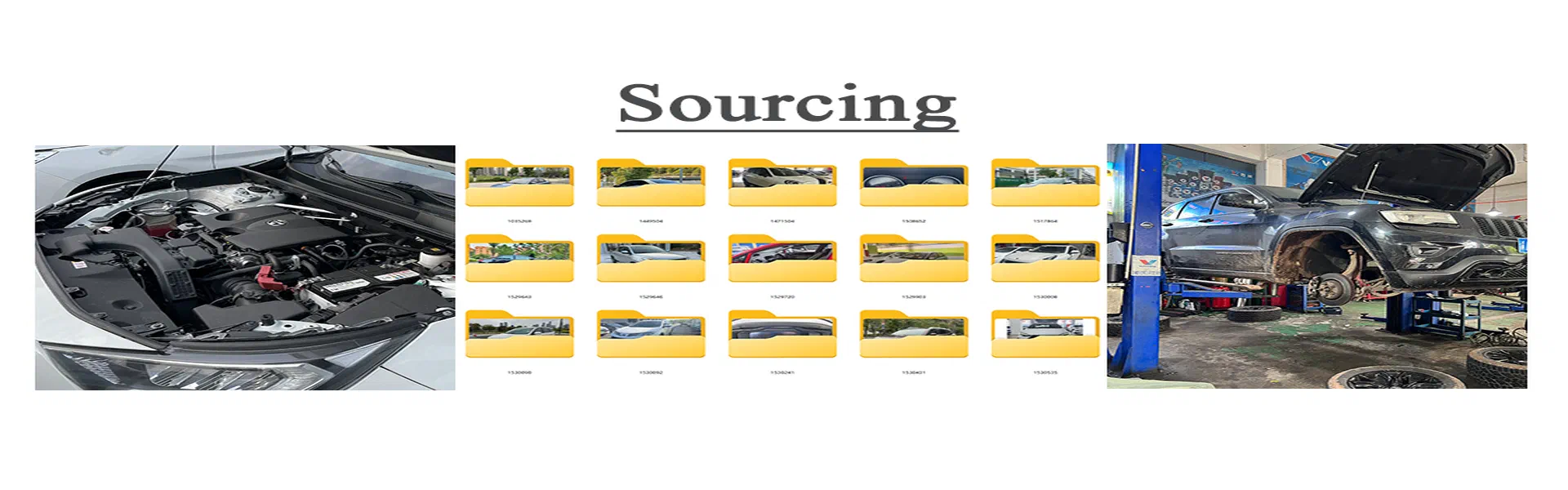
Buying a used car from China for Ghana and Nigeria requires more than finding a low price. Reliable sourcing channels, professional inspection, accurate landed cost calculation and proper shipping arrangements help importers avoid costly mistakes and receive vehicles that match local market demand.
Choosing a reliable China sourcing channel
The safest way to purchase used cars from China is to work with an established exporter that can provide vehicle details, inspection reports, export documents and clear communication throughout the transaction. Dealers and fleet buyers should avoid suppliers who only offer attractive prices without proof of vehicle condition or ownership records.
A professional sourcing partner should confirm key details before payment:
- Left-hand-drive (LHD) configuration suitable for Ghana, Nigeria and other target markets
- Real mileage and available service history
- Accident records, repair history and mechanical condition
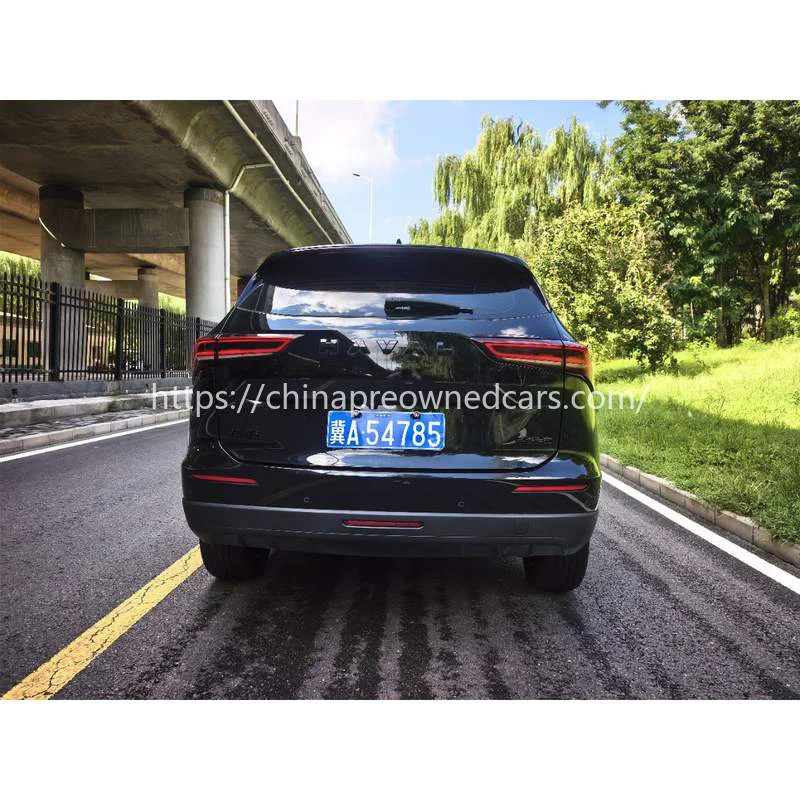
- Photos and videos of the actual vehicle, not stock images
- Export eligibility and documentation support
Understanding landed cost before buying
The purchase price is only one part of the total investment. Buyers should calculate the full landed cost, including inland transport in China, export fees, shipping charges, insurance, customs clearance and import duty in the destination country.
For Ghana and Nigeria importers, customs costs can significantly affect profitability. A reliable exporter should provide a clear FOB or CIF quotation and help buyers estimate final expenses before confirming the order. Comparing vehicles based only on FOB price can lead to unexpected costs after arrival at the port.
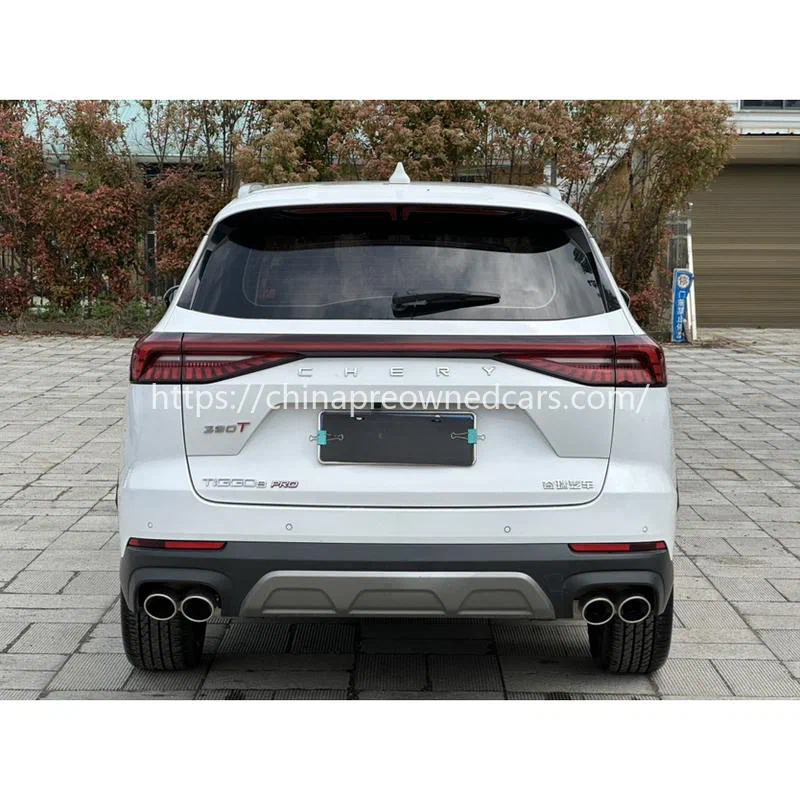
Shipping options also influence cost and timing. RoRo shipping is often suitable for standard vehicles, while container shipping may provide additional protection for valuable units or multiple-car orders. The best choice depends on vehicle type, destination port and budget.
Inspection and vehicle selection for African markets
Used cars imported into West Africa need to match local driving conditions and customer expectations. Models with strong reliability, affordable maintenance and good resale value usually perform better in Ghana and Nigeria.
Before shipment, buyers should request a detailed inspection covering:
- Engine and transmission performance
- Exterior condition and previous damage
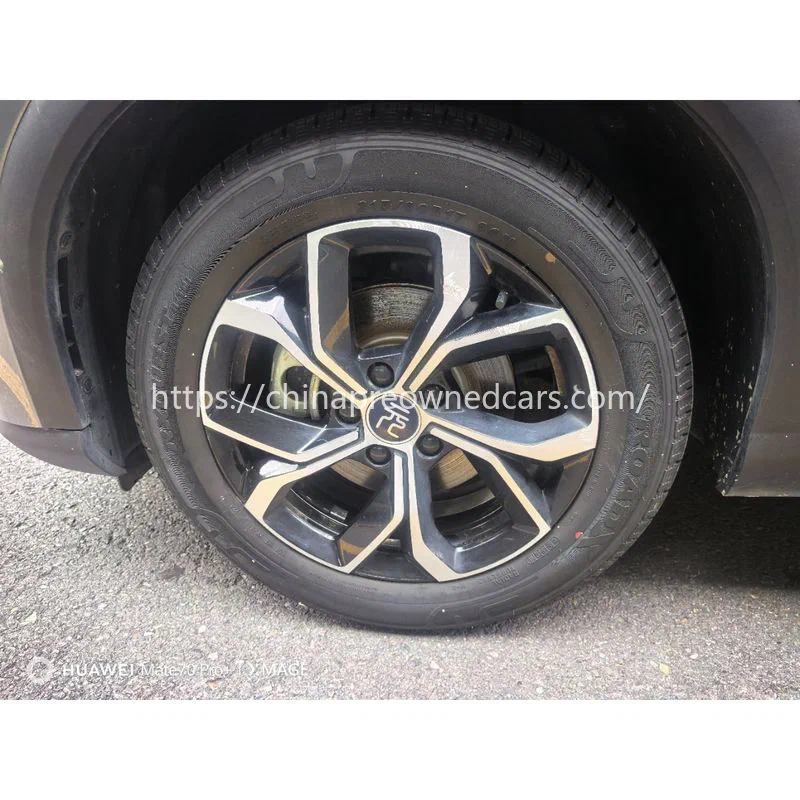
- Tire and suspension status
- Interior condition and electronic functions
- Battery health for electric and hybrid vehicles
For dealers, choosing popular models with available spare parts can reduce after-sales problems. SUVs and fuel-efficient vehicles are often preferred because of road conditions, passenger needs and operating costs.
A complete purchase process should also include a written contract, agreed payment terms and confirmed shipping documents such as the bill of lading. Careful due diligence protects buyers and creates a long-term relationship with dependable Chinese suppliers.
FAQ
Q: Are Chinese used cars suitable for Ghana and Nigeria buyers? A: Yes, many Chinese used cars are suitable when they are properly inspected and selected with local road conditions, spare parts availability and resale demand in mind.
Q: Should I buy a used car from China with FOB or CIF pricing? A: FOB allows buyers to control shipping arrangements, while CIF provides a more complete cost estimate including freight and insurance. The best option depends on the buyer’s import experience.
Q: How can I reduce the risk when importing used cars from China? A: Work with verified exporters, request inspection reports, confirm vehicle history and calculate the complete landed cost before making payment.