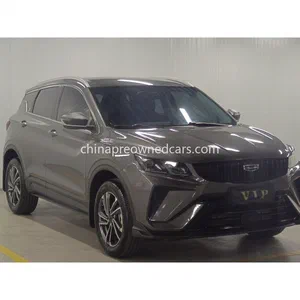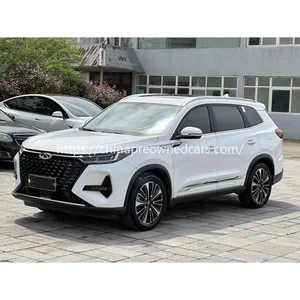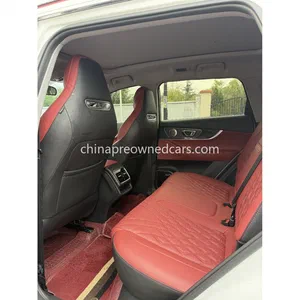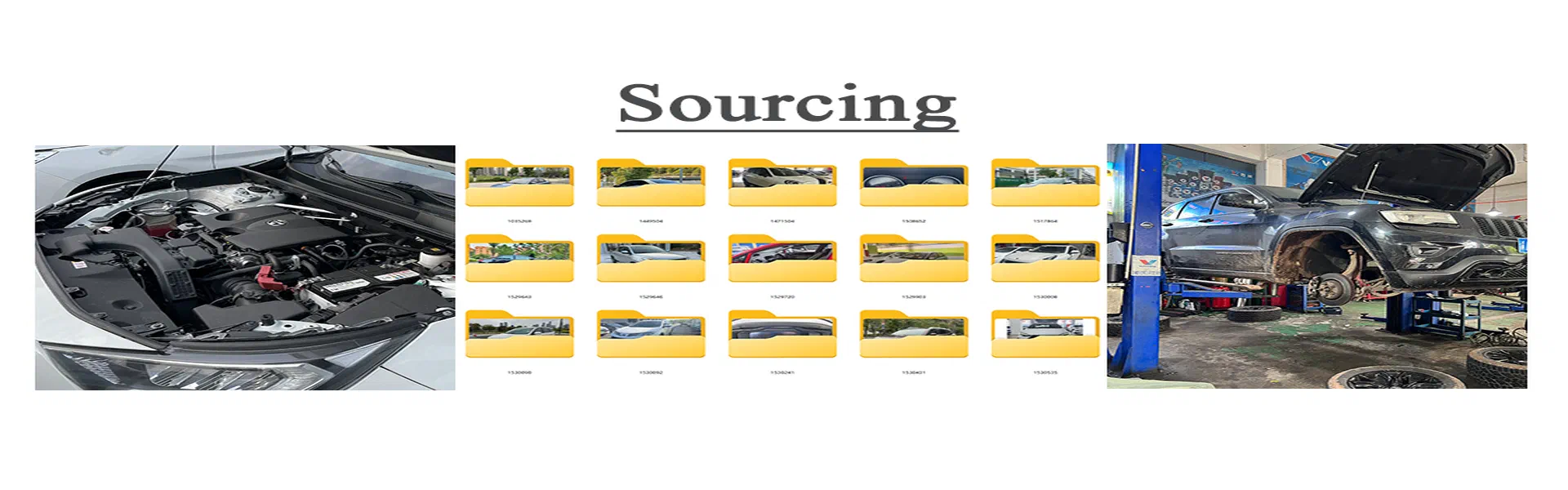
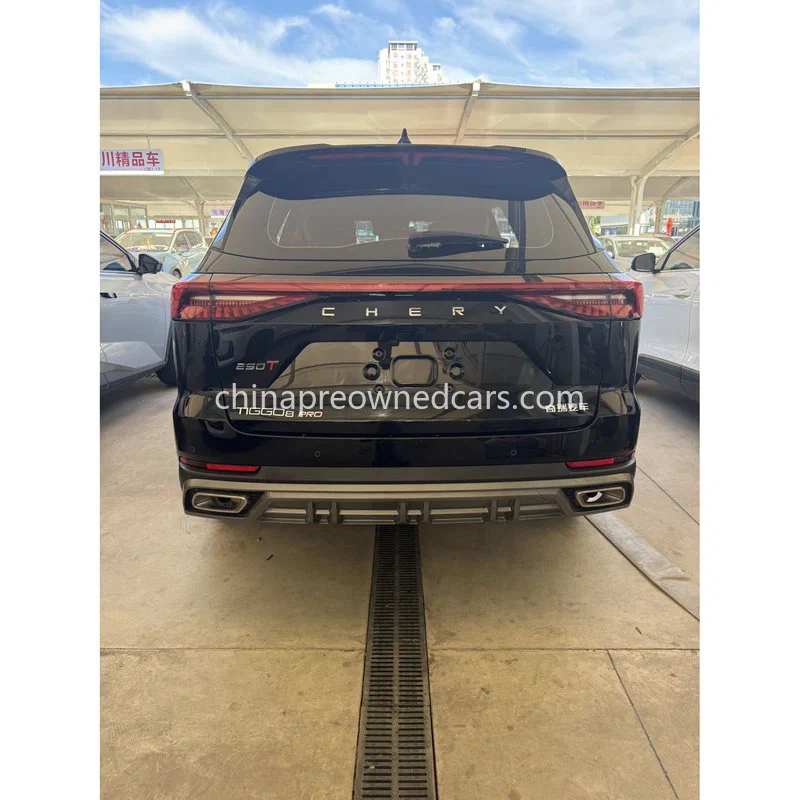
Importing pre owned automobiles from China requires a clear sourcing strategy that controls vehicle quality, shipping costs and final landed price. For buyers in Ghana, Nigeria and North Africa, working with reliable exporters and checking every cost before purchase helps reduce risks and improve resale performance.
Build a sourcing plan around total landed cost
Successful vehicle dealers do not choose cars only by purchase price. A lower factory or auction price can become expensive after freight, insurance, customs charges, import duty, port clearance and local preparation costs are added. Before placing orders, buyers should calculate the complete landed cost for each model and compare it with expected selling prices in their target market.
For West African markets, popular choices often include reliable SUVs, sedans and family vehicles with strong resale demand, reasonable fuel consumption and affordable maintenance. Importers should also confirm that vehicles are left-hand drive, as required for many export markets, and select specifications suitable for local road conditions. Features such as higher ground clearance, durable suspension and accessible spare parts can directly affect long-term customer satisfaction.
Use strict inspection and documentation procedures
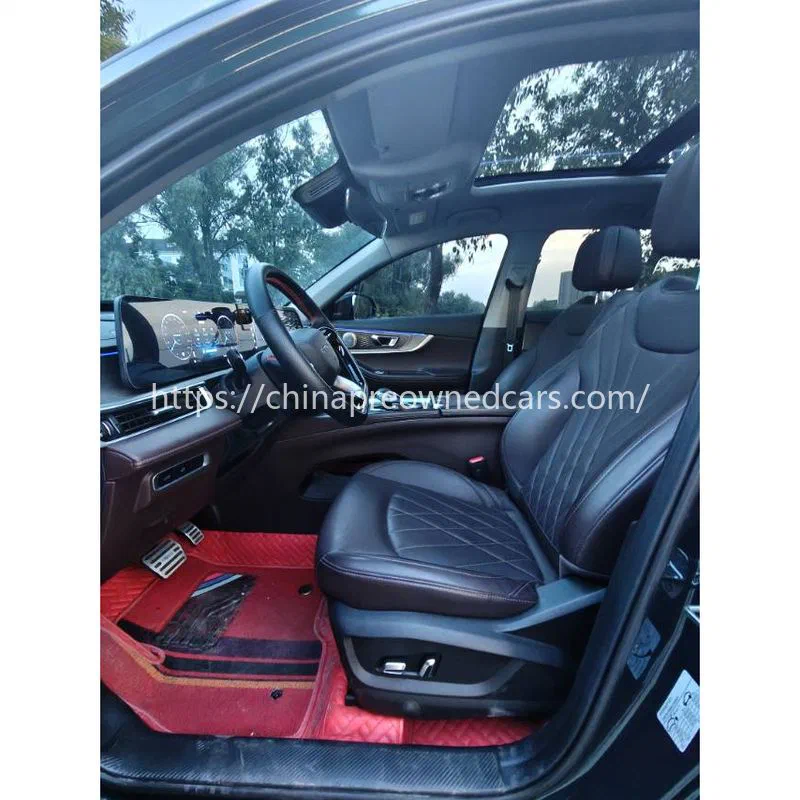
Vehicle condition is one of the biggest factors affecting profitability. Professional buyers should request detailed inspection reports covering accident history, mileage verification, engine and transmission performance, battery condition for electric or hybrid vehicles, interior wear and previous maintenance records.
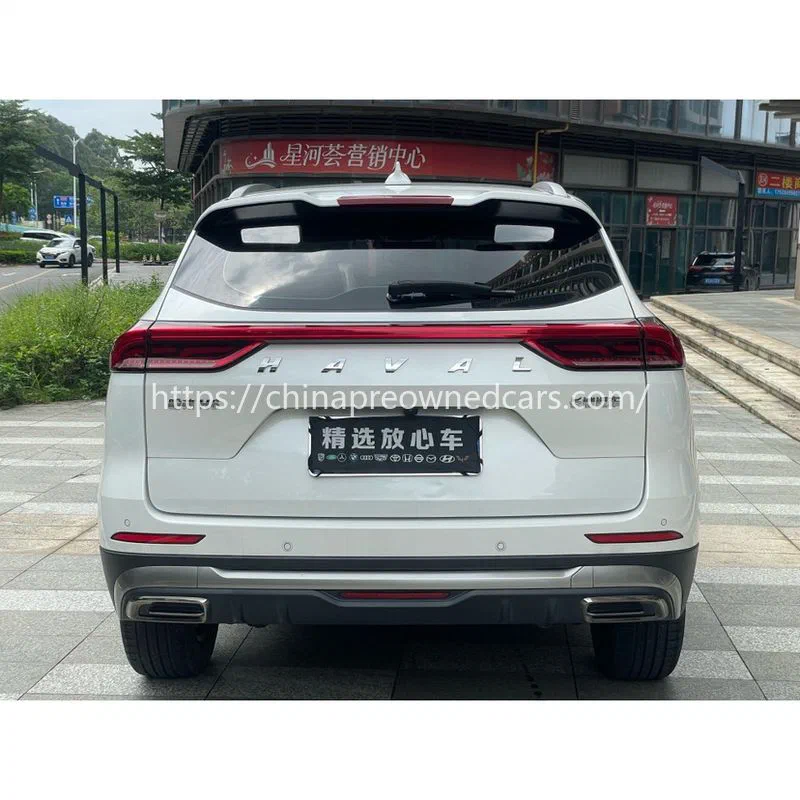
A dependable supplier should provide clear vehicle photos, chassis information, service history where available and export documentation before shipment. This due diligence helps dealers avoid hidden repair costs and ensures that vehicles arrive ready for customers rather than requiring unexpected investment after clearance.
Choose the right shipping and purchase terms
Shipping decisions influence both cash flow and delivery timing. Roll-on/roll-off shipping can be suitable for many vehicles, while container shipping may offer additional protection or allow multiple units to be transported together. Buyers should compare freight costs, sailing schedules and destination port requirements before selecting a method.
Clear contract terms are also important. Agreements should define vehicle specifications, payment terms, inspection responsibilities and shipping arrangements. Understanding Incoterms such as FOB and CIF helps buyers know which party manages freight, insurance and related risks during transportation.
For dealers importing into Ghana, Nigeria and North African countries, a long-term supplier relationship is often more valuable than finding the cheapest single transaction. Consistent quality control, accurate documentation and predictable delivery support stronger customer trust and better resale value. A careful procurement approach allows importers to build inventory that matches local demand while controlling total cost of ownership.
FAQ
Q: What should African dealers check before buying used cars from China? A: Dealers should verify vehicle condition, mileage, service history, left-hand-drive configuration, inspection reports and all expected import costs before payment.
Q: Which shipping method is better for importing used cars? A: The best option depends on volume, budget and protection needs. RoRo is commonly cost-effective, while container shipping may suit higher-value vehicles or multiple units.
Q: How can importers reduce unexpected costs? A: Importers can reduce risks by calculating landed cost in advance, confirming duty and customs requirements, and using clear contracts with reliable exporters.