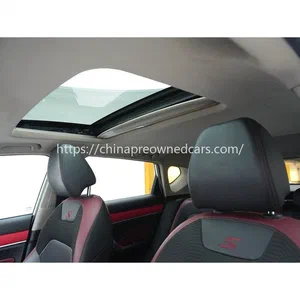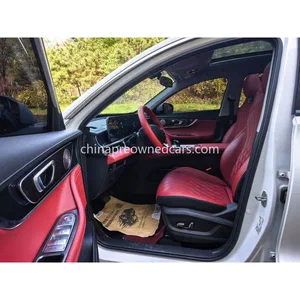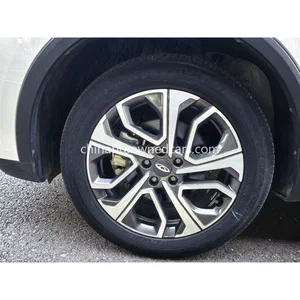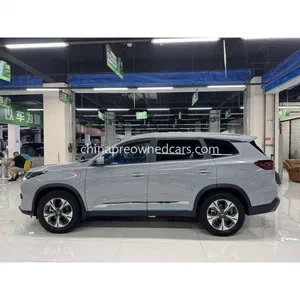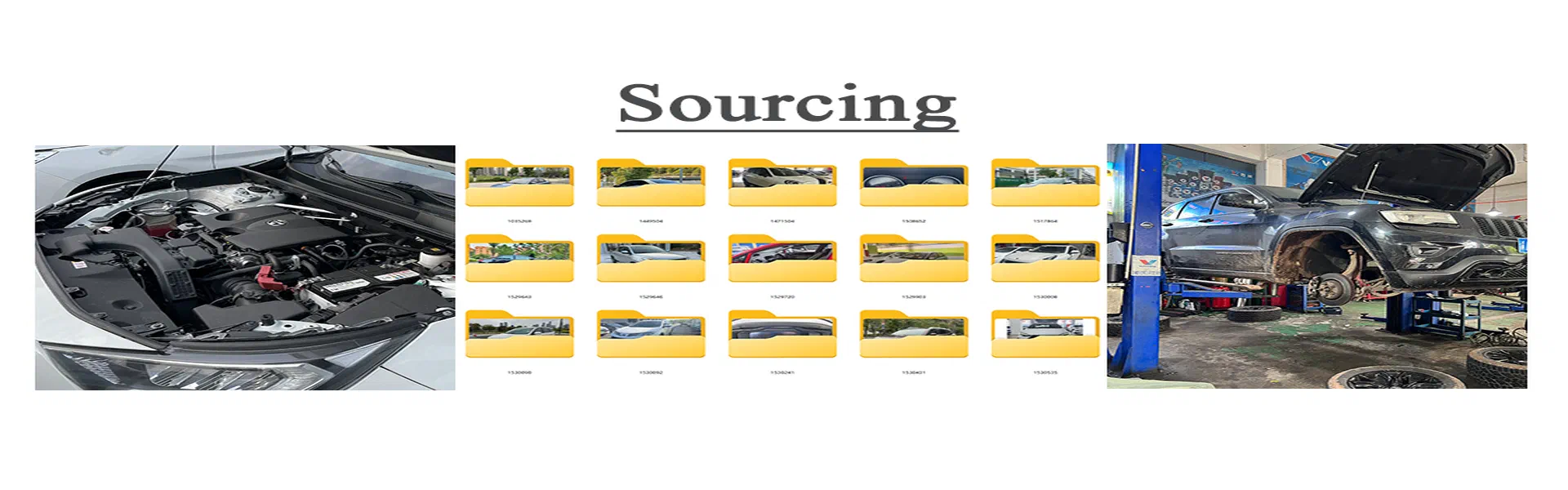
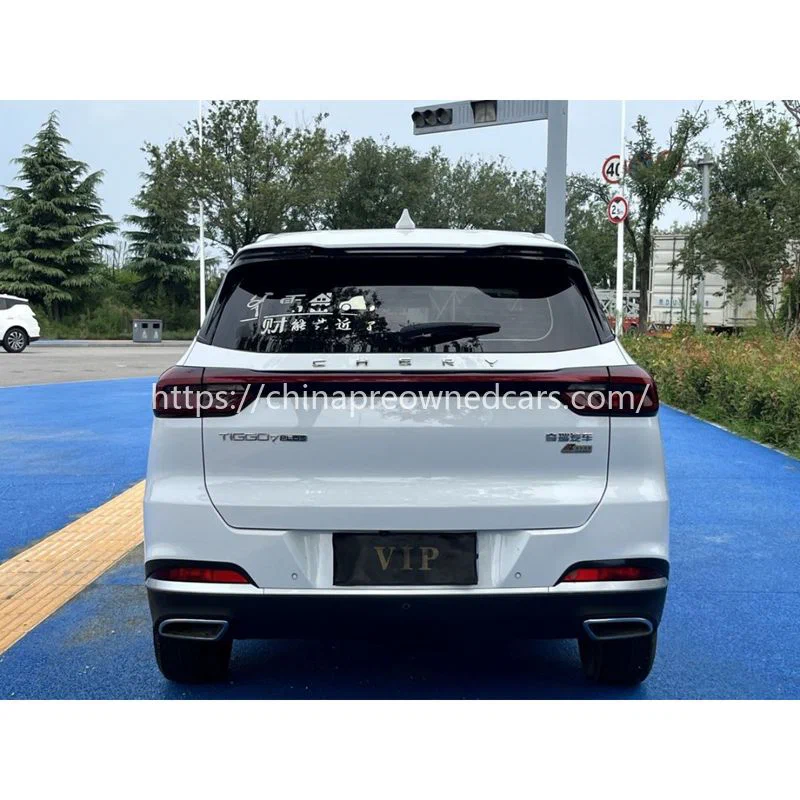
Importing a used 7 seater family car from China requires careful sourcing, inspection and cost planning. This guide explains how West African and North African importers can select reliable left-hand-drive Chinese vehicles while controlling shipping, duty and landed costs.
Choosing the right 7 seater vehicle from China
For family transport, taxi operators and fleet buyers, the best used 7 seater vehicles usually combine strong resale demand, affordable maintenance and enough ground clearance for local road conditions. Popular choices include Chinese SUVs and MPVs with proven reliability, such as Chery Tiggo 8 Pro, Haval H6-based models and other spacious petrol or hybrid options.
Before purchasing, confirm that the vehicle is left-hand drive (LHD), as required for many African markets. Check the production year, mileage, accident history, ownership records and service history. A low purchase price is not always the best deal if the vehicle has hidden repair costs or limited spare parts availability after arrival.
Calculating the real landed cost
The purchase price in China is only one part of the import budget. Dealers and fleet buyers should calculate the complete landed cost, including inland transport in China, export fees, shipping charges, insurance, customs duty, port handling and local clearance expenses.
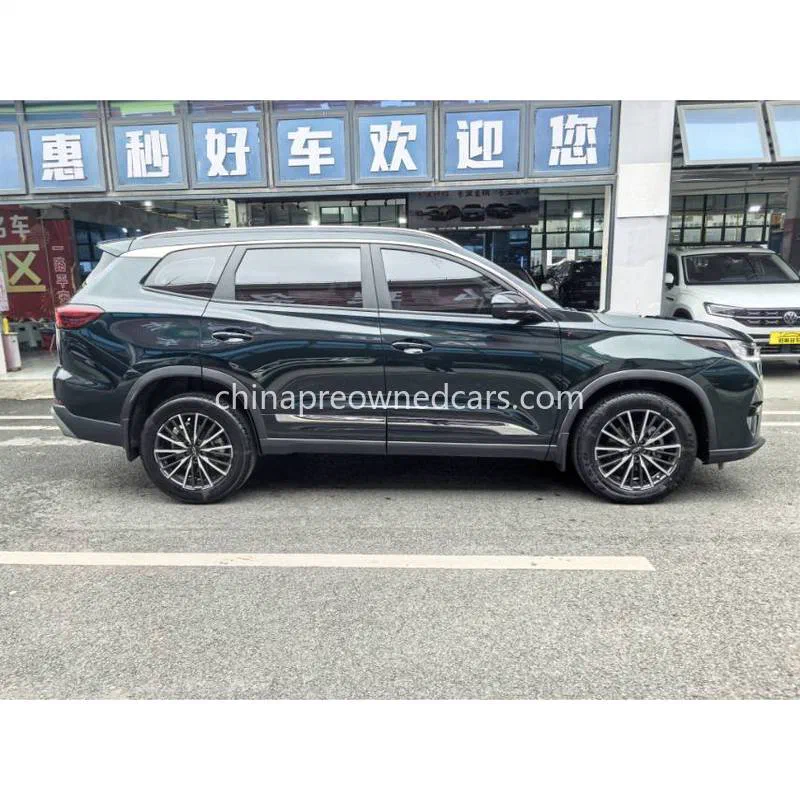
Shipping methods depend on volume and destination. Roll-on/roll-off (RoRo) shipping can be cost-effective for individual vehicles, while container shipping may provide better protection for higher-value units or multiple-car orders. Many importers use FOB or CIF terms, so the contract should clearly state what costs are included and who handles each stage.
Import duty varies by country. Ghana and Nigeria have different customs rules, valuation methods and clearance procedures, while North African markets may apply different taxes based on engine size, age and vehicle category. Always confirm current duty requirements before placing an order to avoid unexpected expenses.
Inspection and purchase checklist
A professional inspection before payment is essential when buying used vehicles remotely. The inspection should cover engine condition, transmission performance, suspension, electronics, air conditioning, tires, battery condition for hybrid or electric models, and any signs of previous accidents or flood damage.
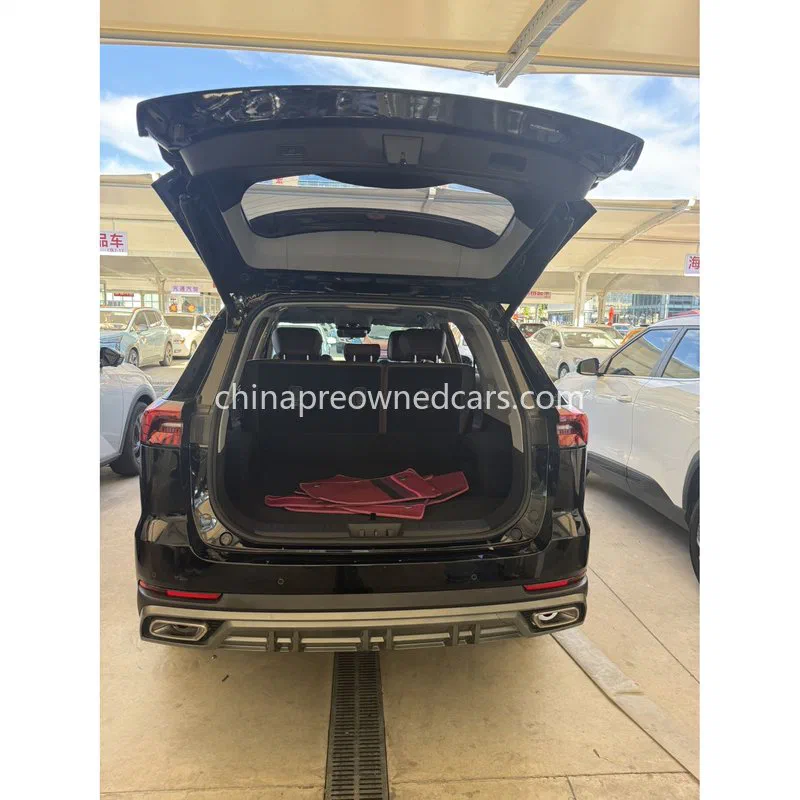
Reliable exporters should provide inspection reports, vehicle photos, chassis information, maintenance records and export documentation. Buyers should also confirm spare parts availability and after-sales support in their target market, especially when building a long-term dealership or fleet operation.
A successful China used car purchase depends on balancing price, condition, shipping cost and future resale value. Choosing vehicles that match local customer needs, road conditions and repair networks will improve profitability after import.
FAQ
Q: Are Chinese used 7 seater cars suitable for Ghana and Nigeria? A: Yes, many Chinese LHD SUVs and MPVs are suitable for these markets when properly inspected and selected for local road and maintenance conditions.
Q: What documents should I request before buying a used car from China? A: Request vehicle history details, inspection reports, purchase contracts, export documents and the bill of lading after shipment.
Q: Is container shipping better than RoRo for used cars? A: Container shipping offers more protection and may suit higher-value vehicles, while RoRo is often a lower-cost option for standard vehicles.