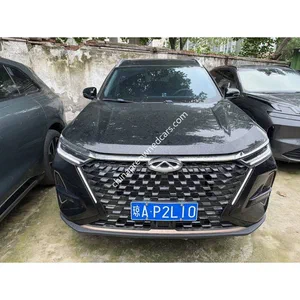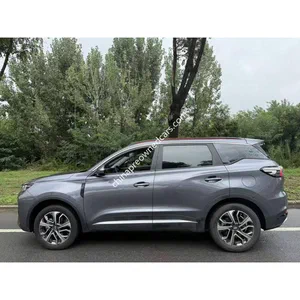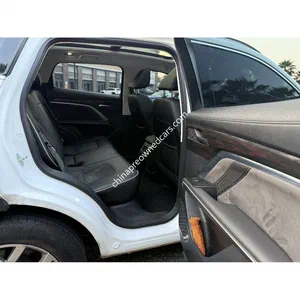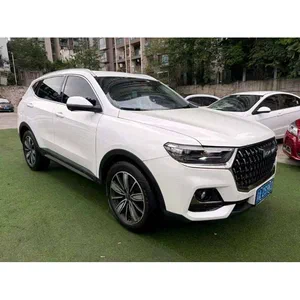
A used vehicle listed below $5,000 needs more scrutiny than a higher-priced unit, particularly when it is being purchased remotely and shipped from China. Overseas buyers should assess the vehicle’s history, mechanical condition, documentation and total export cost before making payment. This checklist explains the main checks involved in sourcing a used car from China.
1. Verify the Vehicle Before Agreeing to Buy
The advertised mileage is only a starting point. Request the odometer reading, dashboard photographs and available service records, then compare the recorded mileage against maintenance dates and previous inspection documents. Gaps in the service history do not automatically mean a vehicle is unsuitable, but unexplained inconsistencies deserve investigation. Ask whether the vehicle has undergone major engine, transmission or suspension repairs.

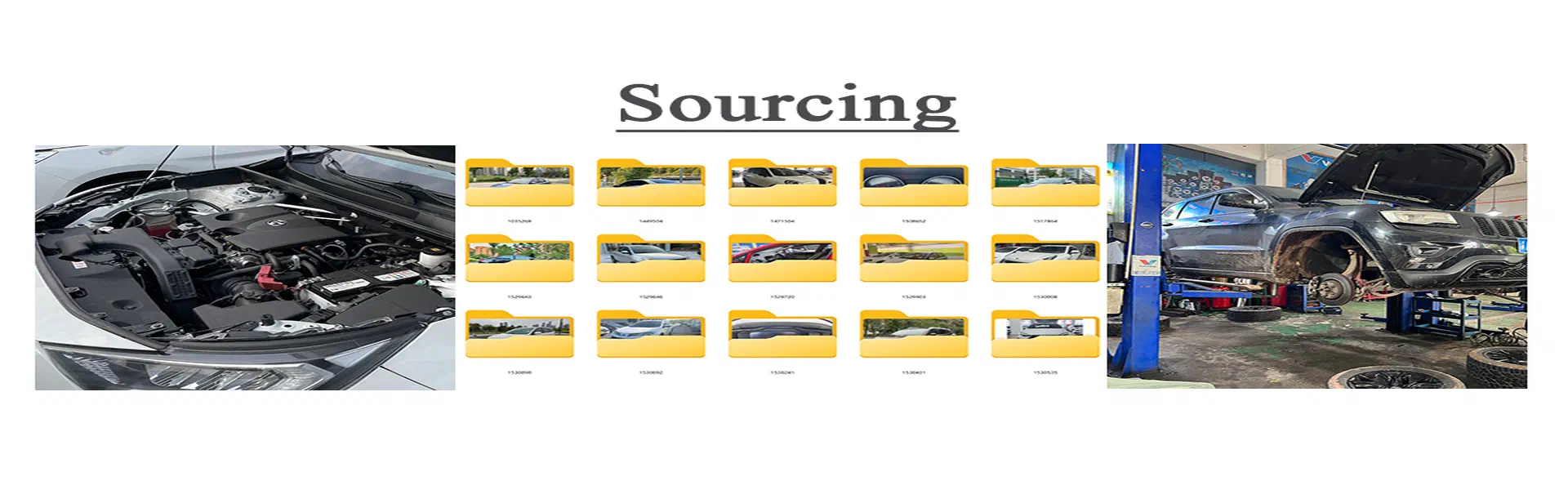
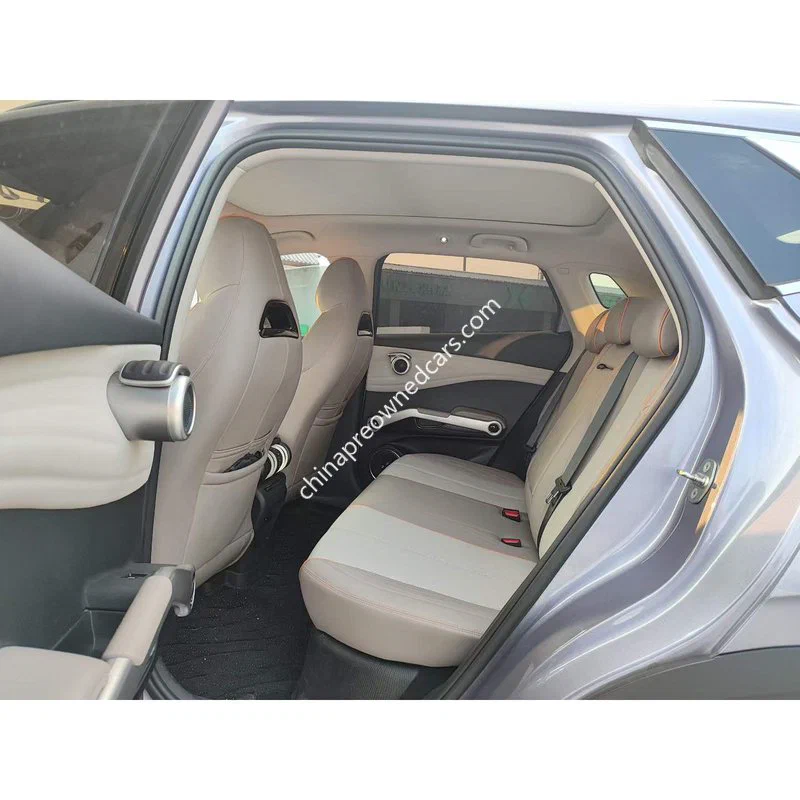
Accident history requires similar attention. Request photographs of the exterior, interior, underbody and engine compartment. The inspection should identify previous collision repairs, structural damage, paintwork differences, corrosion and signs of water ingress. A condition grade is useful only when the exporter explains its criteria. Buyers should establish whether the grade covers mechanical condition, bodywork, interior wear and electrical systems separately.
VIN verification is another essential step. Obtain the complete Vehicle Identification Number and compare it across the vehicle, registration records and available history documents. Check that the VIN plate and stamped identification points show no signs of alteration. For a used car for sale under $5000, a low asking price should never replace these checks. The actual purchase cost must also account for inspection, export handling, freight and destination charges.
2. Choose a Sourcing Channel and Arrange Inspection
Chinese used vehicles can be sourced through dealers, trading companies or vehicle auctions. Dealer sourcing generally provides a direct contact for vehicle selection, inspection arrangements and export coordination. Auctions may offer access to a wider range of vehicles, but buyers need to understand the grading system, inspection limitations and any auction-related fees before bidding. Auction descriptions should not be treated as independent mechanical assessments.
An independent pre-shipment inspection should take place before the final payment and export arrangements. The report should include VIN photographs, odometer readings, exterior and interior images, a cold-start assessment where possible, diagnostic results and observations about major mechanical components. Buyers should also request a clear list of defects rather than relying on a general statement that the vehicle is in good condition.
Electric and hybrid vehicles require additional checks. For a BYD Atto 3, request available battery state-of-health information, diagnostic records, charging-system checks and evidence of any battery repairs. Battery capacity and charging performance affect the vehicle’s usefulness after arrival. Battery transport documentation and shipping arrangements must also be considered separately from those for conventional petrol vehicles. The same principle applies when assessing hybrid systems: verify the condition of both the combustion engine and electric components.
3. Check the Exporter, Payment Terms and Shipping Documents
Exporter credibility should be assessed before a deposit is transferred. Request the company’s business registration details, export experience, physical business address and a written explanation of its sourcing and inspection process. A credible supplier should identify who owns the vehicle, who conducts the inspection and which party handles customs procedures. Buyers should also confirm that the company can arrange the required export licensing and documentation.
Payment terms should be documented in a pro forma invoice or sales contract. The agreement should identify the vehicle, VIN, purchase price, inspection arrangements, payment milestones and responsibility for additional charges. A deposit followed by a balance payment before shipment is a common commercial structure, but the exact arrangement should be agreed in writing. Avoid transferring funds to unrelated personal accounts without a documented explanation. The contract should also specify how discrepancies found during inspection will be handled.
Before shipment, request the inspection report, export license information, commercial invoice, packing list where applicable, customs declaration and relevant shipping documents. China requires export licensing, customs declaration and pre-shipment inspection for used vehicle exports. Buyers should confirm which documents will be issued by the exporter, customs authorities and shipping company. Any missing paperwork can delay clearance at the destination.
4. Account for Destination Rules and Common Sourcing Problems
Import requirements differ across Ghana, Nigeria, Kenya, Uganda and Tanzania. Buyers should verify current vehicle age restrictions, applicable emission standards, import duties, roadworthiness requirements and registration procedures with the relevant destination authorities or a licensed customs broker. These rules can change. Most Chinese domestic vehicles are left-hand drive, so buyers should confirm that LHD vehicles are eligible for registration in their intended market before purchasing.
Shipping arrangements also affect the final cost. RoRo shipping carries vehicles aboard a specialised vessel, while container shipping places vehicles inside a freight container. The appropriate option depends on vehicle dimensions, route availability, cargo handling and insurance arrangements. Obtain a written freight quotation that identifies port charges, documentation fees and destination-side costs. Do not confuse the vessel’s estimated transit time with the full period required for export preparation and customs clearance.
Common sourcing problems include undisclosed accident repairs, mileage discrepancies, incomplete service records, missing documents and unexpected shipping charges. Another frequent mistake is evaluating the purchase price without calculating the landed cost. A vehicle that appears affordable in China may become less attractive after freight, insurance, duties, port handling and local registration expenses. The final purchase decision should follow document verification, independent inspection and confirmation of destination eligibility.
FAQ
Q: Can an overseas buyer purchase a used car from China for under $5,000?
A: Yes, depending on the vehicle, condition and sourcing availability. Buyers should calculate the full landed cost rather than relying on the advertised vehicle price.
Q: What documents should be requested before a used vehicle is shipped from China?
A: Request the inspection report, vehicle identification details, export license information, commercial invoice and relevant customs declaration and shipping documents. Confirm destination-specific import paperwork requirements before shipment.