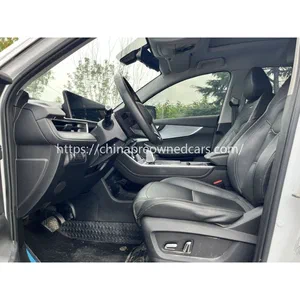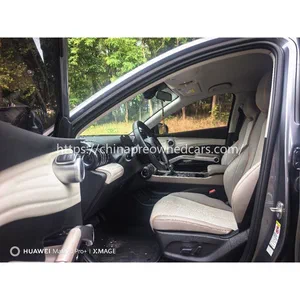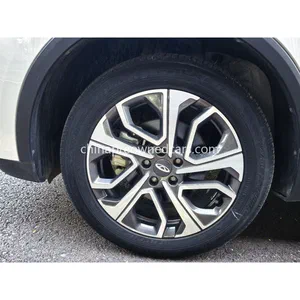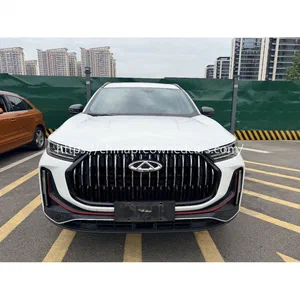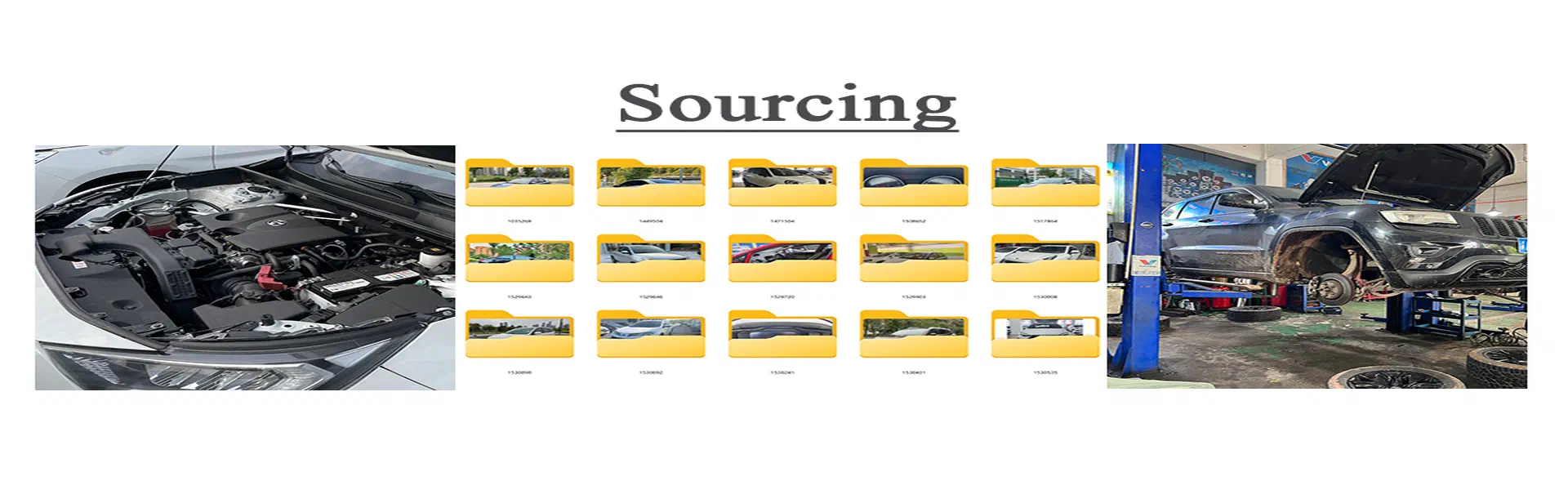
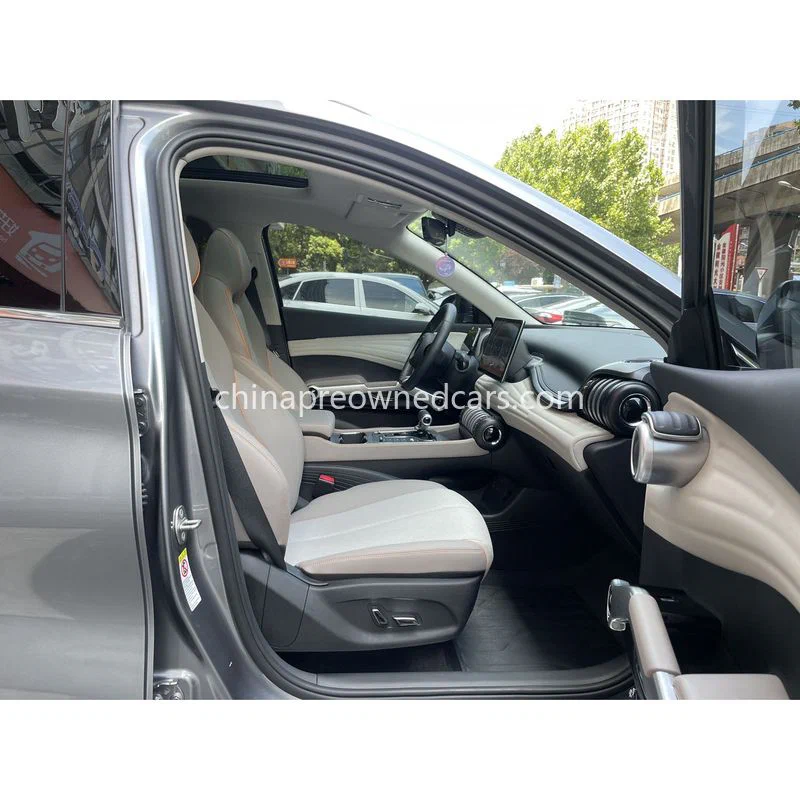
Buying a used SUV from China requires checks before money is transferred or shipping is arranged. This guide covers vehicle history, inspection records, export paperwork, and practical sourcing steps for overseas buyers.
A vehicle’s condition should be verified from documents and inspection results rather than appearance alone. Buyers should request mileage records, service history, accident records, VIN verification, and a condition grading report where available. For electric models such as BYD Atto 3, battery health checks are essential because battery condition affects operating range and future maintenance planning. Hybrid vehicles also need checks on both the combustion system and electric components. A search for the cheapest used cars to run should include ownership costs, parts availability, and local operating conditions, not only the purchase amount.

Sourcing and inspection checks
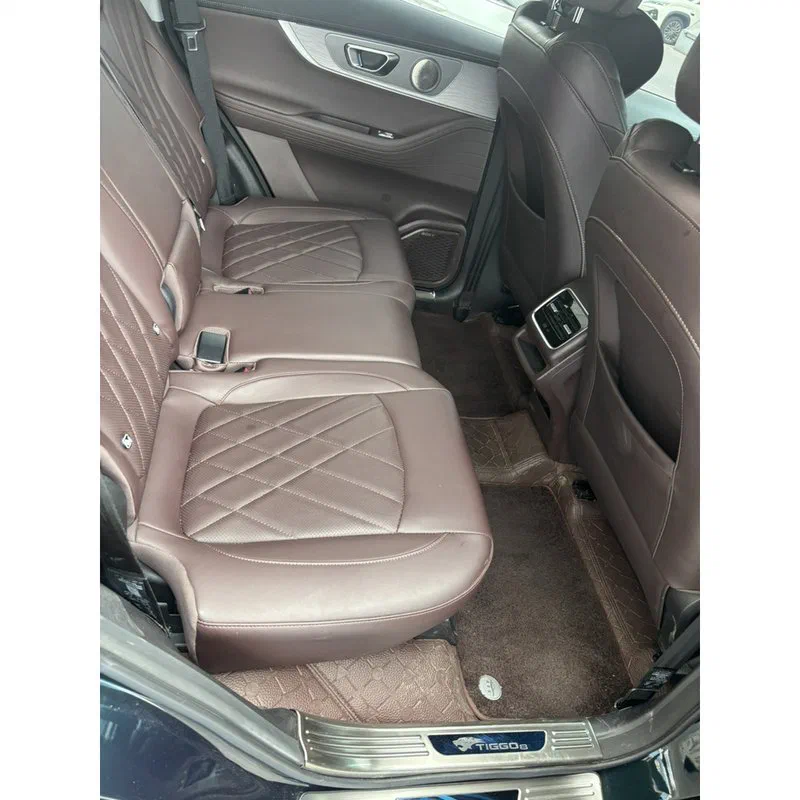
Used vehicles from China can be sourced through dealers, auctions, or export companies. Auction sourcing may offer wider selection, but the available information can vary, so independent inspection before purchase is important. A professional inspection should review exterior damage, mechanical condition, interior wear, electronic functions, and recorded vehicle history. For models such as Chery Tiggo 7 Plus, Chery Tiggo 8 Pro, Geely Coolray, and Haval H6, buyers should confirm the exact specification, production year, drive side, and equipment level before shipment.
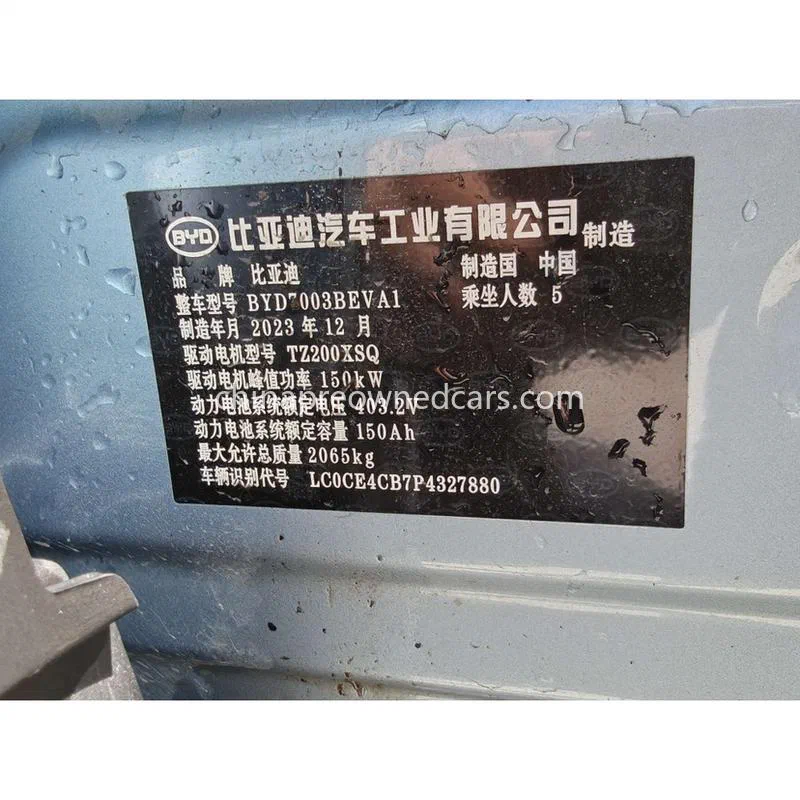
Exporter selection is another key step. A professional exporter should explain the sourcing process, provide inspection documents, confirm export licensing arrangements, and clarify customs clearance procedures. Payment terms vary between suppliers, but buyers should understand when deposits, balance payments, and shipping-related charges are required before committing funds.
Export documents and shipping preparation
Chinese used vehicle exports require export licensing, customs declaration, and pre-shipment inspection before vehicles leave the country. The exporter should prepare relevant documentation and explain the paperwork flow. Vehicles are commonly shipped by RoRo or loaded into containers, depending on vehicle type, destination requirements, and shipping arrangements.
Destination rules must be checked before purchase. Buyers in Ghana, Nigeria, Kenya, Uganda, and Tanzania should confirm current import regulations, including vehicle age limits, emission standards, drive side requirements, and roadworthiness rules. Most Chinese domestic vehicles are left-hand drive, so buyers in right-hand-drive markets need to confirm whether a suitable vehicle can be sourced and imported.
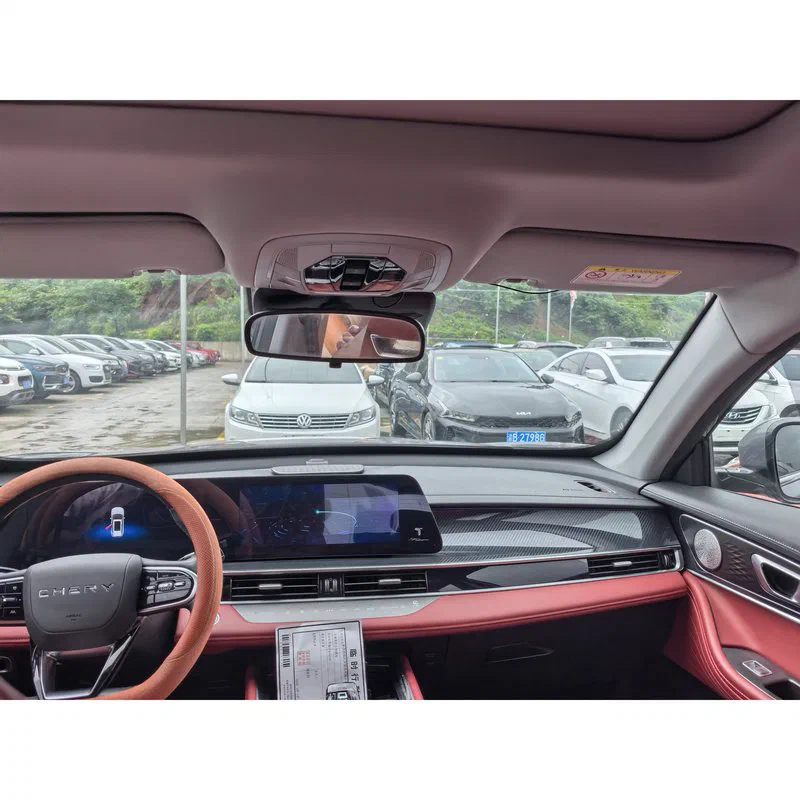
Common problems in used vehicle purchasing include incomplete history records, unclear vehicle specifications, battery information missing for EVs, and unexpected import requirements. Before final payment, buyers should confirm VIN details, inspection findings, shipping arrangements, and after-sales support options. Clear communication between the exporter and buyer reduces avoidable issues during international delivery.
FAQ
Q: What documents should be requested before buying a used SUV from China? A: Buyers should request vehicle information, inspection records, export documentation, and customs-related paperwork. VIN details should match the vehicle being purchased.
Q: Are Chinese used EVs suitable for overseas export? A: Used EVs can be suitable when battery health, charging conditions, and destination regulations are checked in advance. Battery transport requirements may also apply during shipping.
Q: What is the difference between RoRo and container shipping? A: RoRo shipping moves vehicles onto specialized vessels, while container shipping places vehicles inside containers. The suitable method depends on the shipment arrangement and destination requirements.