Mileage and service records provide two important starting points when assessing a used vehicle, but neither tells the full story. Buyers sourcing vehicles from China need to examine how a car was maintained, how its condition has changed over time, and whether its documented history supports the seller’s description. These checks are particularly important when purchasing remotely for export.
Mileage is often the first figure buyers compare. However, a low odometer reading does not automatically indicate a better vehicle. A car used mainly for short urban journeys may have experienced frequent braking, stop-start driving and repeated cold starts. Another vehicle with higher mileage from regular highway use may show less wear in certain components. Buyers researching vw 2nd hand cars should apply the same principle: mileage needs to be considered alongside maintenance records, operating conditions and physical evidence. Mileage bands can help organize initial comparisons, but they should not determine the final grade.
Service records provide evidence of how a vehicle was maintained. Buyers should request available maintenance invoices, workshop records, replacement-part details and dated service entries. The mileage recorded at each service should form a reasonably consistent sequence. Gaps are not proof of neglect, but unexplained periods deserve further investigation. Particular attention should go to engine oil changes, transmission servicing, cooling-system repairs and brake maintenance on combustion vehicles. For hybrid and electric models, the review should also cover battery-related servicing, cooling components, charging-system repairs and any recorded electrical faults. A missing record means the work cannot be independently confirmed.
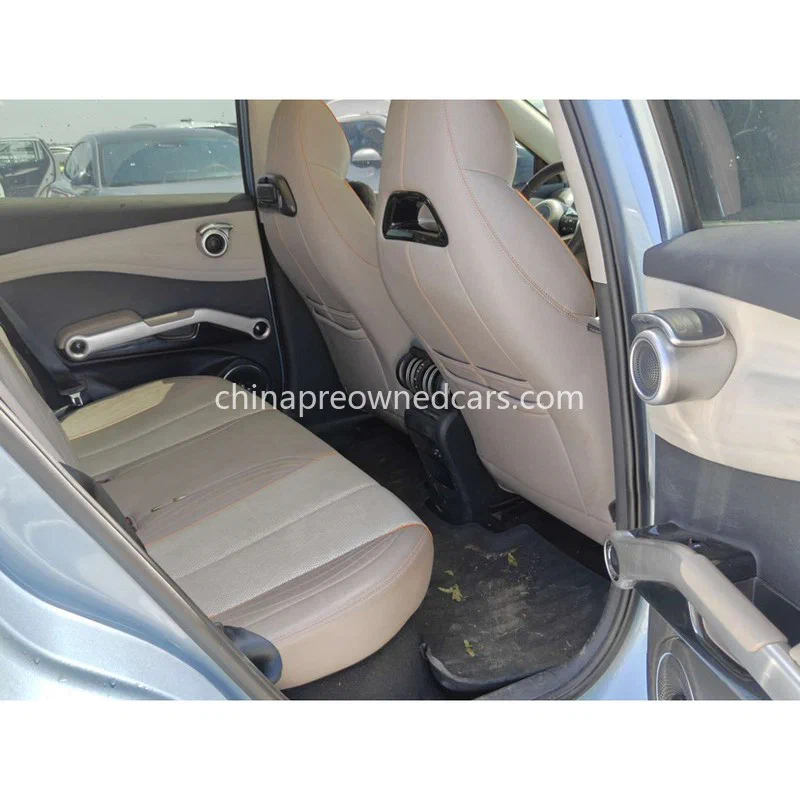
Condition grading should separate cosmetic appearance from mechanical performance. Exterior checks include paint consistency, panel alignment, scratches, dents, corrosion and evidence of previous repairs. Interior assessment covers seat wear, dashboard condition, switches, display operation, upholstery and signs of water entry. Mechanical inspection should examine the engine, transmission, suspension, steering, braking system, tires and visible fluid leaks. A practical grading report records each finding rather than relying on a single label such as excellent or good. Buyers should also ask whether defects have been repaired, remain unresolved or were excluded from the assessment.
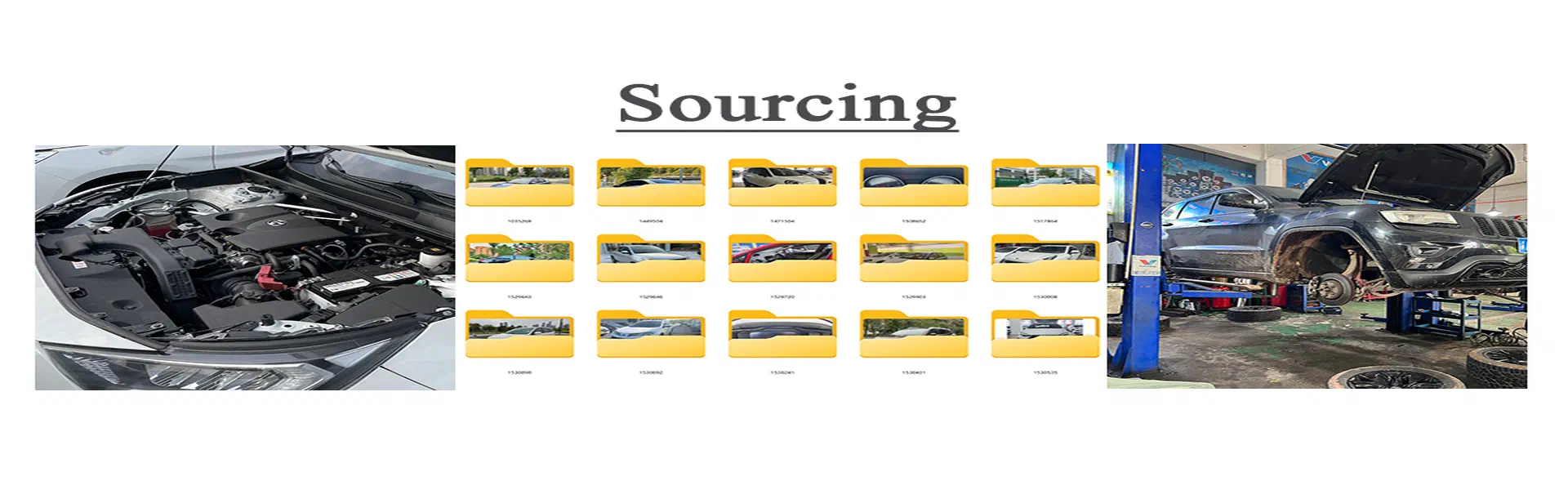
The sourcing channel affects the amount of information available. Dealer-sourced vehicles may come with more accessible service documentation and an opportunity for additional checks, although the completeness of those records still needs verification. Auction vehicles can offer a wider selection, but descriptions and inspection access may be limited by the auction process. In either case, buyers should request the vehicle identification number (VIN), available registration history, mileage evidence and inspection photographs before committing funds. A VIN check can help identify inconsistencies in available records, but it cannot establish every previous repair or guarantee that the vehicle has never been involved in an accident.
An independent pre-shipment inspection should confirm the vehicle’s current condition before export arrangements proceed. The inspection can cover odometer readings, bodywork, structural damage visible during examination, engine operation, diagnostic fault codes, road-test observations and equipment functionality. For an electric vehicle such as the BYD Atto 3, battery state of health, charging performance and available battery diagnostic information deserve separate attention. Inspection findings should identify the testing method and any limitations. A visual examination cannot reveal every concealed structural defect, while a diagnostic scan cannot prove that all intermittent faults have been resolved. Battery readings also represent the condition observed at the time of testing, not a guarantee of future capacity.
Terms such as export-grade and dealer-grade should be treated as commercial descriptions unless the supplier provides a written grading standard. They do not automatically indicate manufacturer certification or a guaranteed mechanical condition. Before payment, buyers should agree on the inspection scope, accepted defects, repair responsibilities and the procedure for handling discrepancies. Payment terms should connect clearly to documented milestones, including vehicle identification, inspection approval and release of export paperwork. The final invoice and inspection report should refer to the same vehicle. Any change to the VIN, mileage or stated condition requires clarification before the transaction proceeds.

Export preparation introduces additional checks that domestic buyers may not consider. Chinese used vehicle exports require the applicable export licensing, customs declaration and pre-shipment inspection procedures. Documentation should match the vehicle and transaction, including the commercial invoice, ownership or transfer documents, export paperwork and shipping documents. Vehicles can be shipped by RoRo or loaded into containers, depending on the vehicle, route and buyer’s requirements. Buyers in Ghana, Nigeria, Kenya, Uganda and Tanzania should confirm current import rules covering vehicle age, emissions, roadworthiness and steering position before purchase. Most Chinese domestic vehicles are left-hand drive, which can restrict their suitability for certain markets. For electric vehicles, battery condition and transport requirements also need to be addressed. A sound sourcing decision depends on evidence that can be checked before shipment, not simply a seller’s mileage claim or condition description.
FAQ
Q: Does low mileage guarantee a better used vehicle?
A: No. Mileage should be assessed alongside service history, mechanical condition, driving patterns and signs of wear. A well-maintained higher-mileage vehicle may be a better purchase than a neglected low-mileage example.
Q: What documents should buyers request before purchasing a used vehicle from China?
A: Buyers should request the VIN, available service records, mileage evidence, condition assessment, inspection report and relevant ownership documents. Export licensing, customs and shipping documents should also be checked as the transaction progresses.