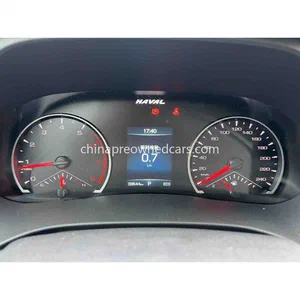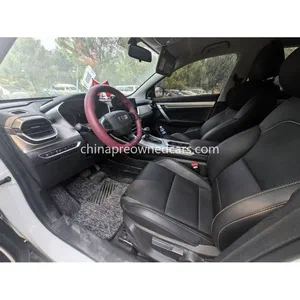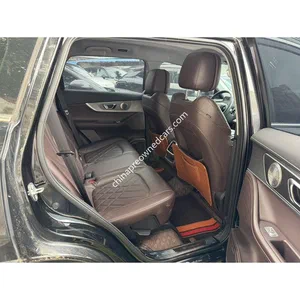
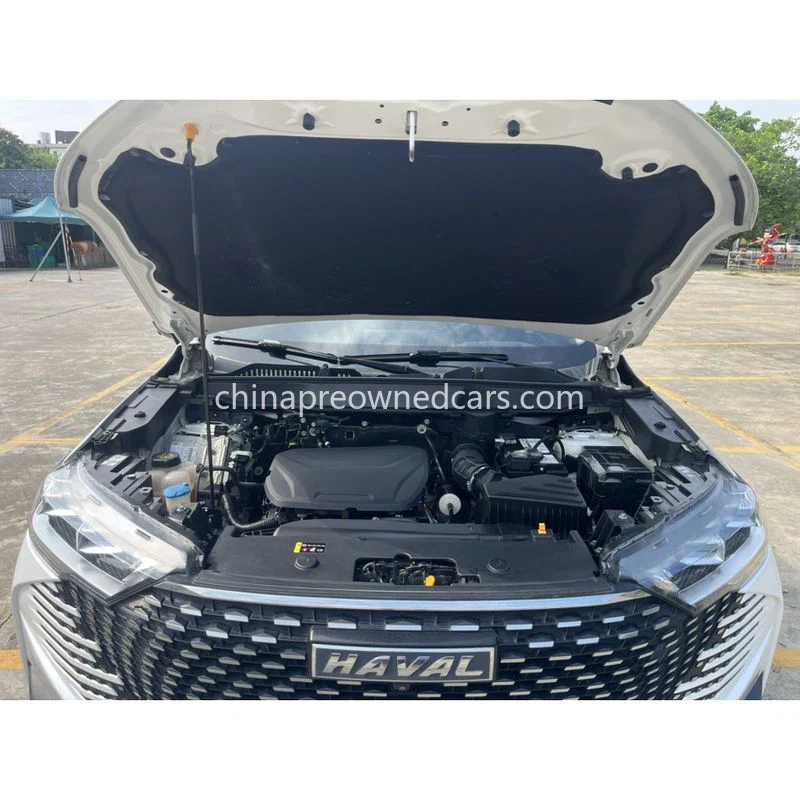
Assessing the condition of used vehicles is crucial for buyers looking to find used vehicles online. Quality grading can help determine whether a vehicle is suitable for export, especially in markets like Africa, the Middle East, and South America. Buyers should be familiar with how vehicles are evaluated based on various indicators, such as cosmetic condition, mechanical health, mileage, and service history.
Vehicle condition is often classified into different grades. The grading system typically includes categories such as “like new,” “good,” “fair,” and “poor.” These grades reflect the vehicle’s cosmetic appearance, the state of its mechanical components, and its overall reliability. Buyers should pay close attention to the specific criteria that define each grade. For example, a “good” grade might indicate that the vehicle has minor cosmetic imperfections but is mechanically sound, while a “poor” grade could suggest significant wear and tear that may require costly repairs.
Inspection is a vital part of the purchasing process. A thorough pre-purchase inspection covers critical components, including the engine, transmission, and suspension systems. However, it is essential to note that inspections may not always reveal hidden issues, such as prior accidents or extensive repairs. Buyers should verify the vehicle’s history through documentation, such as service records and accident reports. This information can provide valuable insight into the vehicle’s maintenance and any potential red flags.
Terminology like “export-grade” or “dealer-grade” often comes up in discussions of used vehicles. These terms generally refer to vehicles that meet specific standards for sale in international markets. Export-grade vehicles typically have undergone rigorous inspections and are deemed roadworthy for export. Buyers should always confirm the meaning of these terms with their suppliers, as definitions can vary by dealer.

Red flags to watch for include discrepancies in mileage, lack of service history, or visible signs of rust and corrosion. Buyers should also be cautious of vehicles that have undergone extensive cosmetic repairs, as this may indicate a problematic history. It is advisable to request a vehicle identification number (VIN) check to uncover any underlying issues that might not be apparent during an inspection.
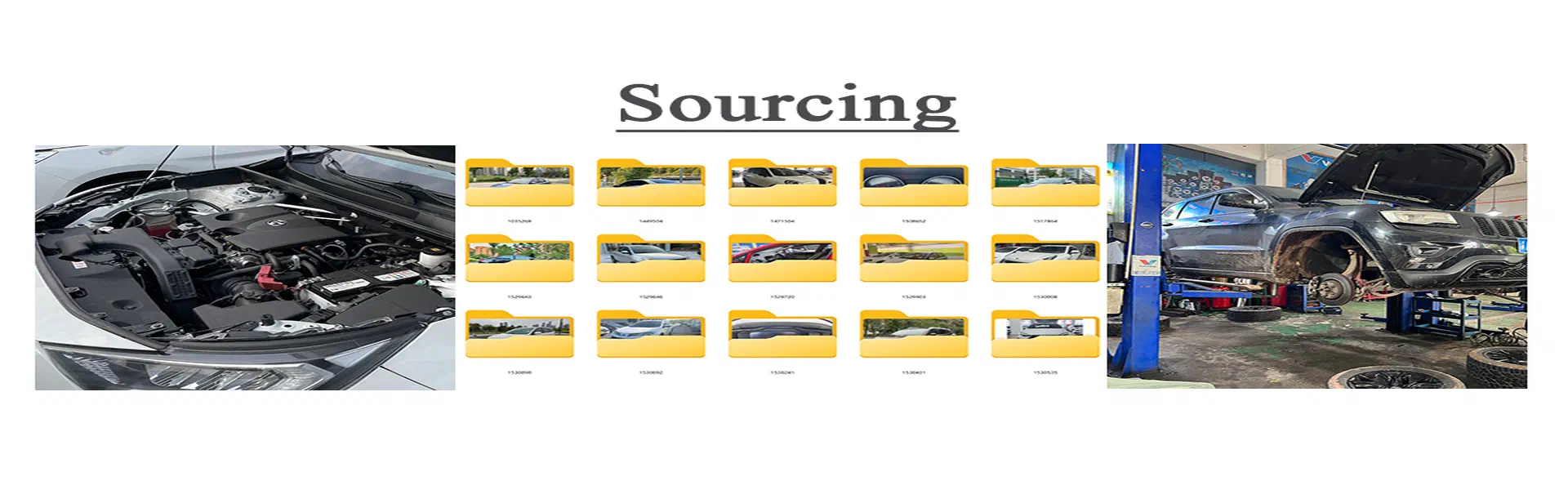
When sourcing vehicles, buyers often have the option to purchase from dealers or auctions. Dealer-sourced vehicles may offer a greater assurance of quality, as reputable dealers typically provide warranties and after-sales support. Conversely, auction vehicles can be less expensive but may carry higher risks. Buyers should weigh these factors carefully and consider their comfort level with potential uncertainties.
Payment terms can vary significantly between dealers and auction houses. It is essential to clarify these terms before committing to a purchase. Payment methods, deposit requirements, and accepted currencies should all be understood upfront. Buyers should also inquire about shipping lead times, as these can differ based on the shipping method chosen, such as RoRo (Roll-on/Roll-off) or container shipping.
In summary, verifying the condition of a used vehicle involves careful examination of its grading, inspection reports, and history. Understanding the nuances of vehicle sourcing can help buyers make informed decisions. Ensuring that the vehicle meets export regulations and quality standards is key to a successful purchase.
FAQ
Q: What should I verify before purchasing a used vehicle?
A: Buyers should check the vehicle’s history, including mileage, service records, and any prior accidents. A thorough inspection is also recommended.
Q: How do payment terms differ between dealers and auctions?
A: Payment terms can vary widely; dealers may offer financing options, while auctions often require immediate payment or deposits. Always clarify these terms before purchasing.