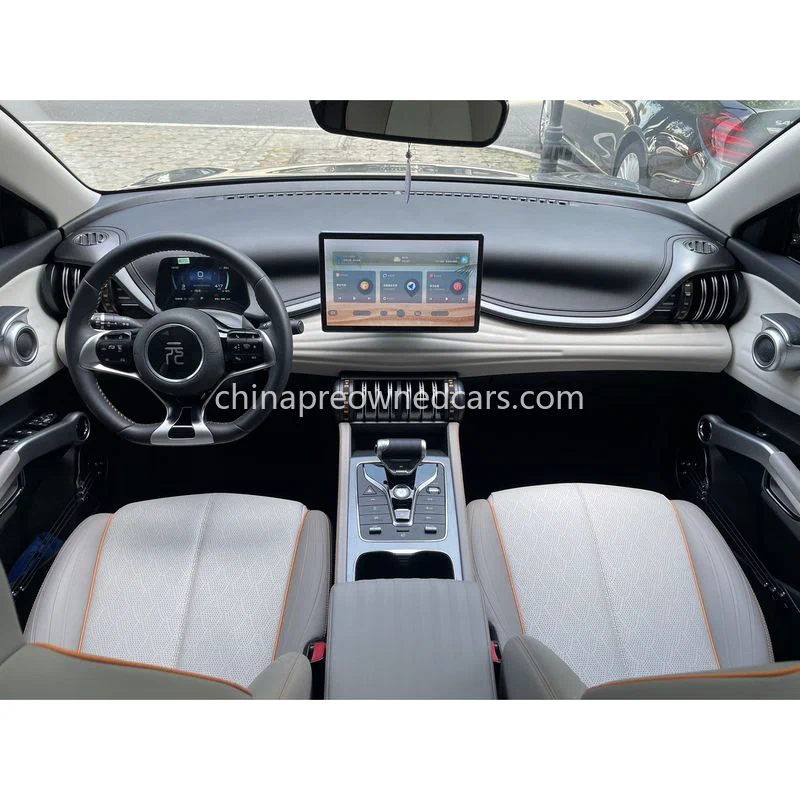
The rising cost of used vehicles has focused attention on the importance of accurate condition grading during the sourcing process. Buyers aiming to identify export-grade vehicles must navigate a range of condition metrics, from mechanical health to cosmetic wear, to ensure value for their investment.
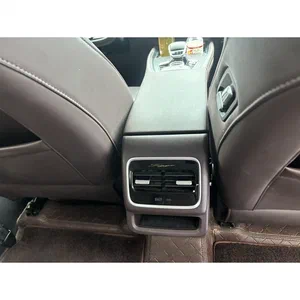
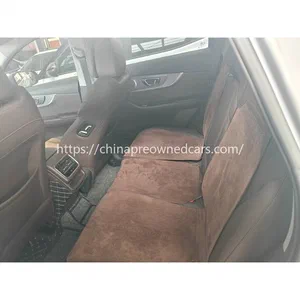
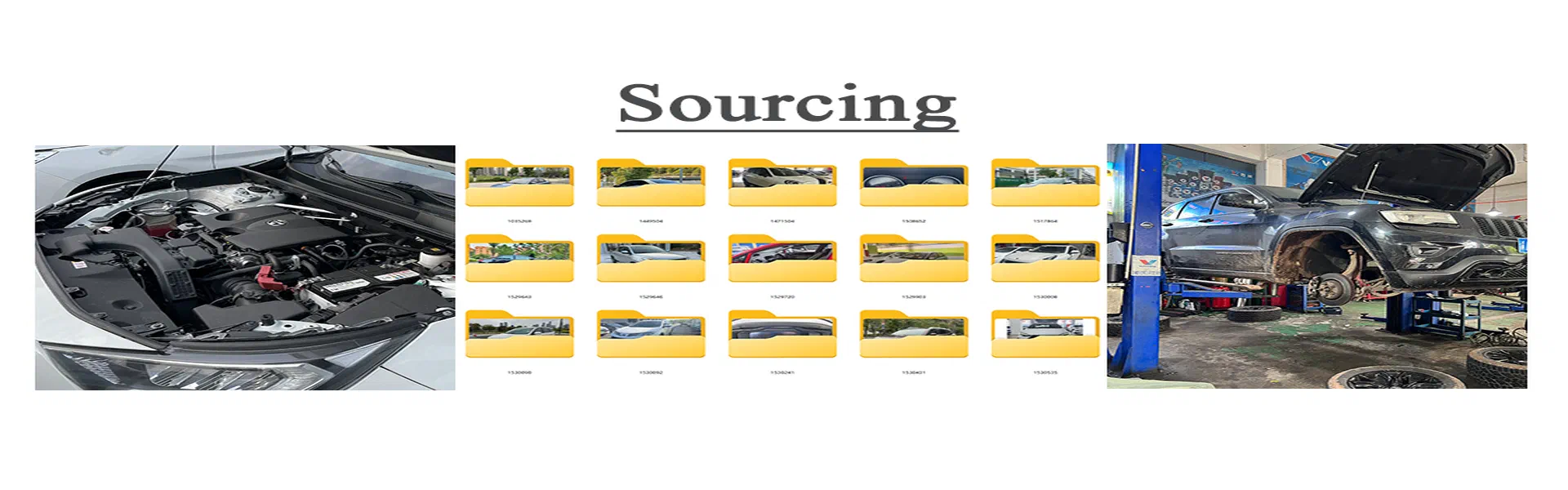
Condition grading starts with a comprehensive inspection of the vehicle. This includes evaluating key mechanical systems, such as the engine, transmission, suspension, and brakes. Inspectors also assess the bodywork for rust, dents, and previous repairs. Cosmetic elements like paint quality, interior wear, and glass condition are documented separately. Each aspect contributes to an overall grade, which may vary by the standards of the exporting dealer or the region-specific requirements of the destination market.
Mileage is another critical factor in vehicle grading. Most exporters classify vehicles into mileage bands—for example, under 50,000 km, 50,000–100,000 km, and over 100,000 km. Lower mileage often correlates with less wear on mechanical components, but buyers should also verify whether the odometer reading is consistent with the vehicle’s service history. China’s vehicle registration system often provides verifiable records, which exporters can present upon request.
The term “export-grade” typically implies a vehicle meets the mechanical and cosmetic standards suitable for international shipping. However, this designation does not guarantee compliance with all destination-specific import requirements, such as emission standards or age limits. Buyers should confirm these details separately based on their target market’s regulations. For example, some African countries allow older vehicles but may enforce stricter emissions controls for newer imports.
Service history is a key indicator of a vehicle’s reliability and maintenance. A documented history showing regular servicing at authorized dealerships adds credibility to the grading process. However, in cases where records are unavailable or incomplete, buyers should treat the absence of documentation as a potential risk. Independent pre-purchase inspections can help mitigate this uncertainty by providing an unbiased evaluation of the vehicle’s condition.
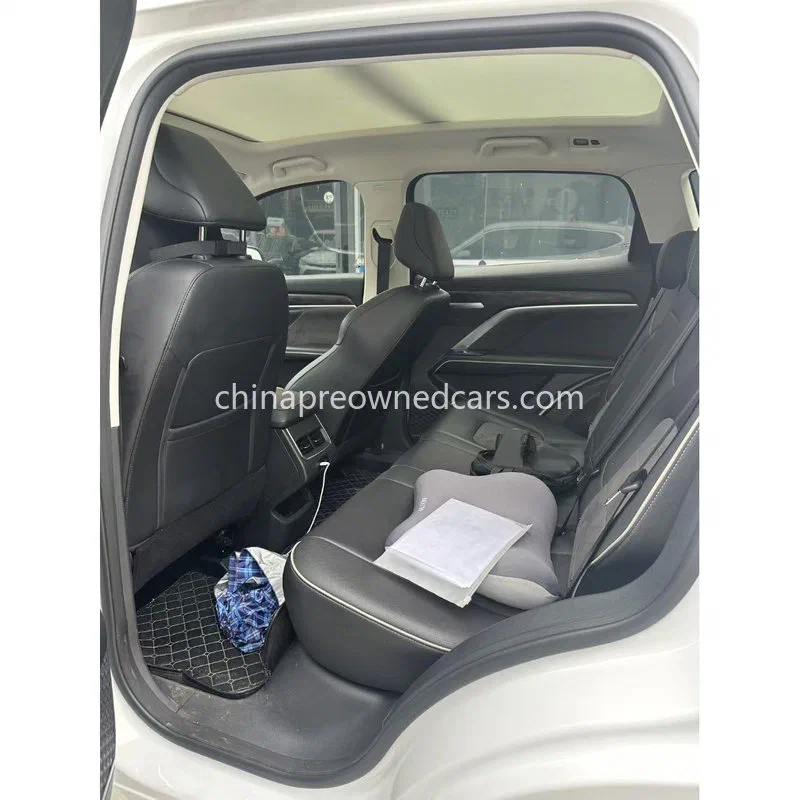

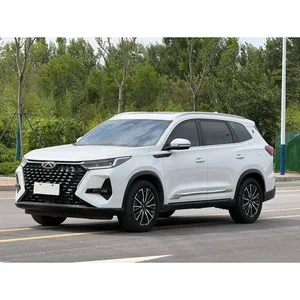
Common red flags in condition grading include signs of flood damage, substantial underbody rust, and mismatched paintwork—indicators of substandard past repairs. Buyers sourcing electric or hybrid SUVs, such as the BYD Atto 3 or Chery Tiggo 8 Pro, should also inquire about battery state-of-health reports. Battery performance can significantly impact resale value and operational costs, particularly in export markets where charging infrastructure is still developing.
While exporters typically provide detailed inspection reports, these are not infallible. Buyers are encouraged to verify vehicle identification numbers (VINs) to confirm the accuracy of listed specifications and ensure the vehicle has a clean title. Payment terms should also be reviewed carefully, specifying milestones for inspection, shipping, and final delivery. Clear communication with the exporter helps establish mutual accountability throughout the transaction.
Imports from China generally require pre-shipment inspection, customs clearance, and appropriate documentation, such as the bill of lading and certificate of conformity. Buyers should align their sourcing timelines with shipping schedules, understanding that delays can occur due to port congestion or regulatory checks. On receiving the vehicle, a thorough post-delivery inspection is advisable to confirm it matches the export-grade description.

FAQ
Q: Is the price of used cars going up due to export demand?
A: Yes, global demand for used vehicles, especially EVs and hybrids, has contributed to rising prices. Market conditions vary by region and vehicle type.
Q: What does “export-grade” mean in used vehicle sourcing?
A: Export-grade typically refers to vehicles meeting mechanical and cosmetic standards suitable for shipping, though compliance with local import rules must be separately verified.
Q: How can I confirm a used vehicle’s condition before purchase?
A: Review inspection reports, verify the VIN, check the service history, and, if possible, arrange for an independent pre-purchase inspection.