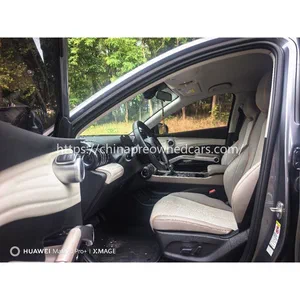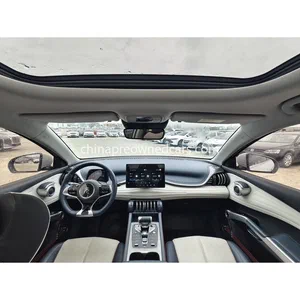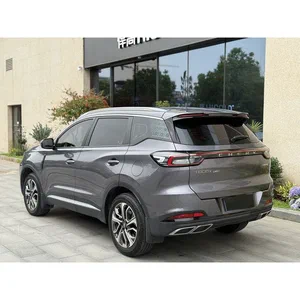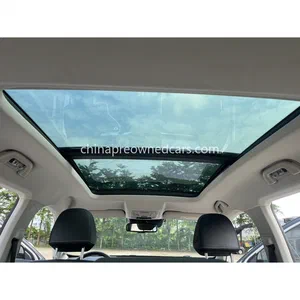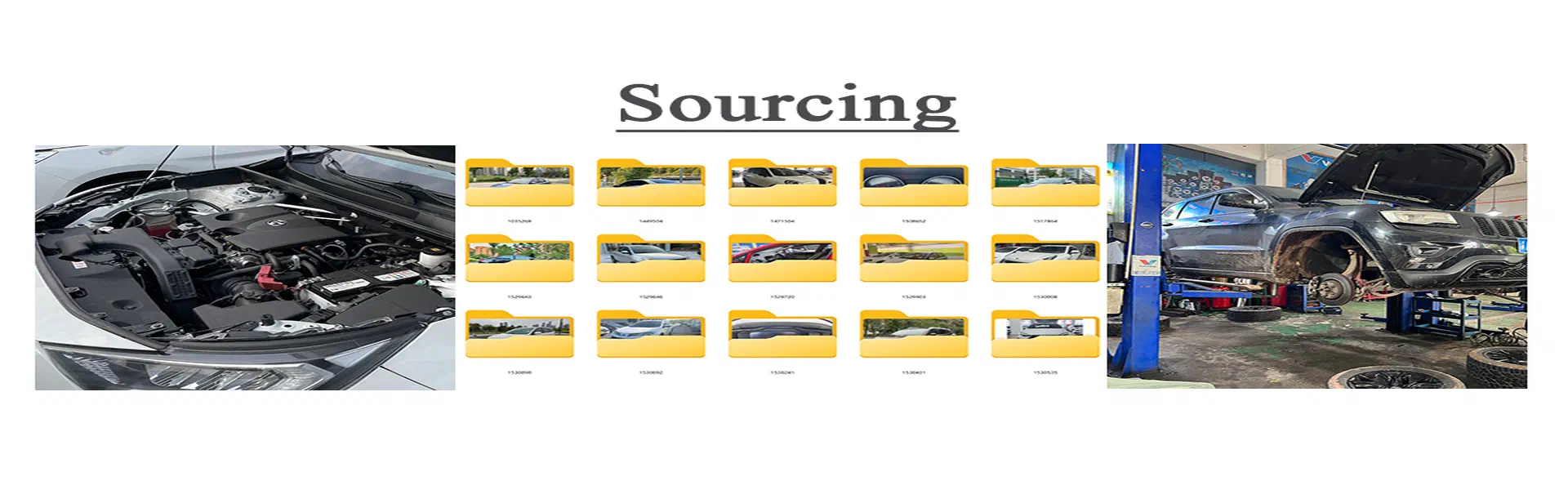
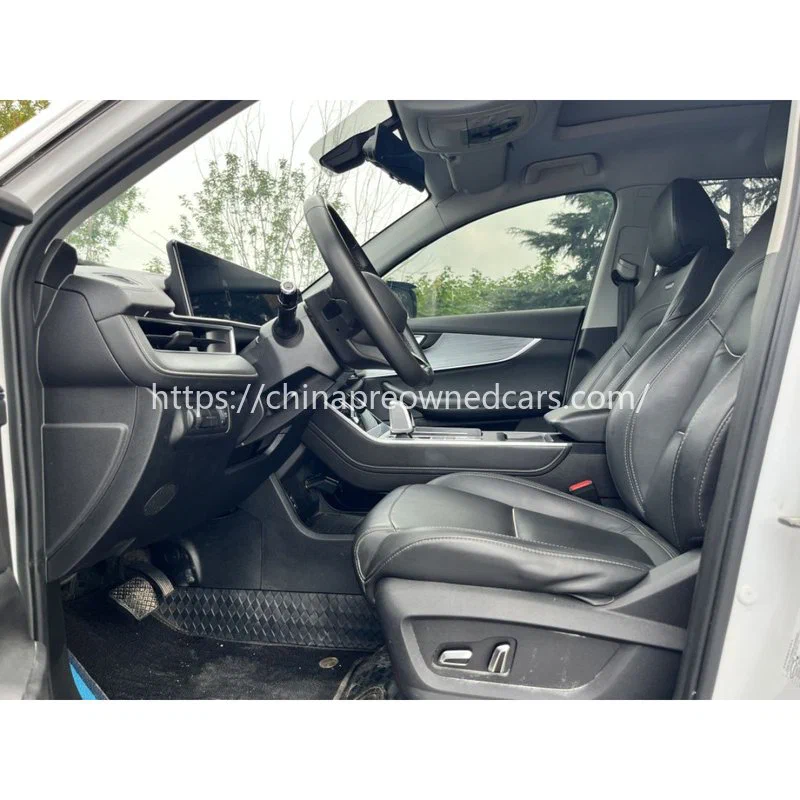
SUV second hand cars can be suitable for overseas import when the sourcing process includes proper inspection, documentation checks, and destination market review. Chinese used SUVs such as BYD Atto 3, Chery Tiggo 7 Plus, Chery Tiggo 8 Pro, Geely Coolray, and Haval H6 are commonly considered by buyers looking for vehicles from China for export markets. The key factor is not only the model choice but also how the vehicle is sourced and prepared.
Sourcing from China usually starts with selecting vehicles from domestic market channels, including professional dealers and approved auction sources. Dealer sourcing often provides clearer vehicle information, while auction sourcing may offer more options but requires stronger inspection procedures. Before purchase, buyers should verify the VIN, ownership history, maintenance records where available, mileage information, and previous usage conditions. A vehicle condition grade should be based on inspection findings rather than seller description alone.

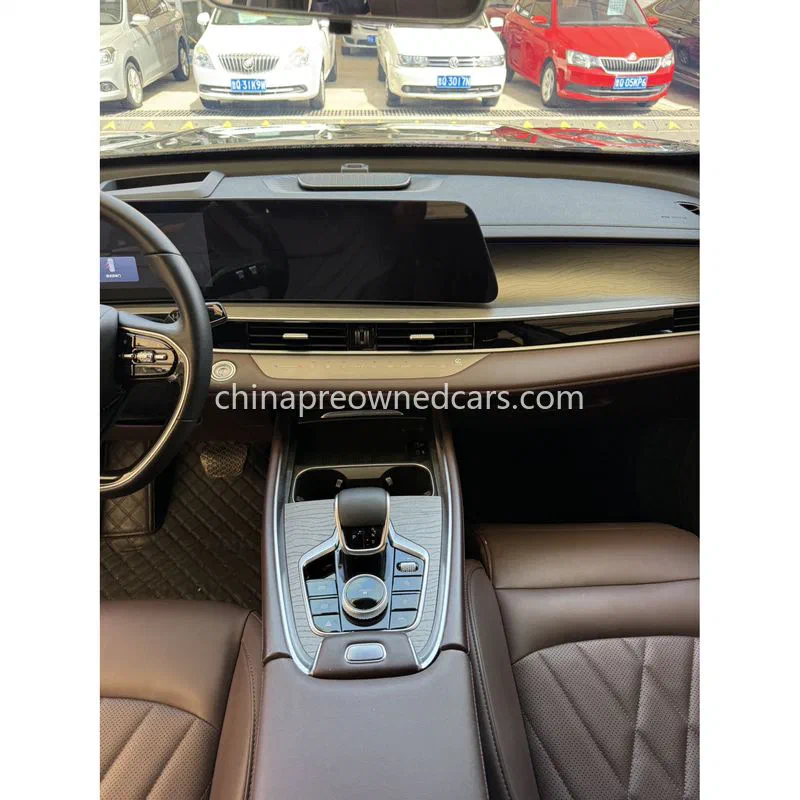
A pre-purchase inspection should cover the body, chassis, interior, engine or electric system, and electronic functions. For electric and hybrid SUVs, battery health checks are an important part of the evaluation because battery condition affects vehicle value and long-term use. The inspection should record visible damage, repair history, battery status for new energy vehicles, and any issues that may affect export suitability. Buyers should request inspection documents and confirm which items were checked before making payment decisions.
Export preparation involves several steps after a vehicle is selected. Chinese used vehicle exports require export licensing, customs declaration, and pre-shipment inspection before shipment. Exporters normally arrange documentation, vehicle preparation, and logistics coordination. Vehicles can be shipped through RoRo or loaded into containers depending on the shipment plan and destination requirements. Buyers importing into Ghana, Nigeria, Kenya, Uganda, or Tanzania should confirm local rules on vehicle age, emission standards, drive side, and roadworthiness because these requirements can change.
Most Chinese domestic vehicles are left-hand drive, which fits many markets but may not suit countries with right-hand-drive requirements unless a suitable vehicle is specifically sourced. Importers should also confirm charging conditions and service support when considering electric SUVs. Payment terms should be reviewed before any transaction, including what documents are provided, when inspection takes place, and how shipping arrangements are confirmed. A clear process reduces misunderstandings between buyer and exporter.
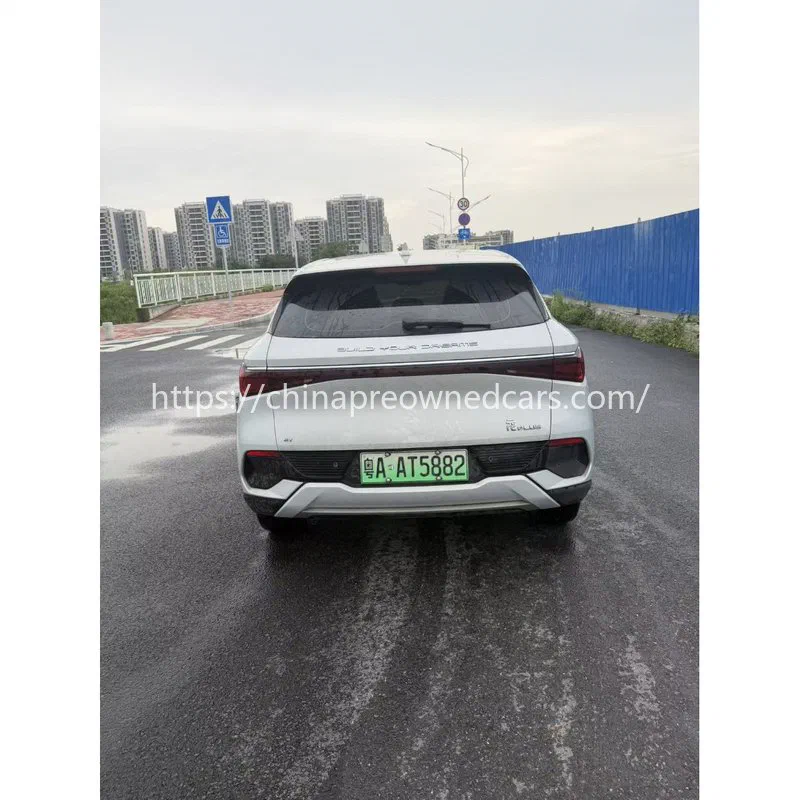
Choosing an exporter with experience in vehicle selection, quality assessment, and overseas shipping helps buyers manage the purchase process more effectively. After-sales support can include document assistance, technical information, and communication support after shipment. The most important step remains verification before purchase: the selected vehicle, export paperwork, and destination requirements should all match the buyer’s actual market needs.
FAQ
Q: Are Chinese used SUVs suitable for import to Africa and other overseas markets? A: Many Chinese used SUVs can be suitable for export, but suitability depends on vehicle condition, local regulations, and market requirements. Buyers should confirm drive side, import rules, and vehicle specifications before purchase.
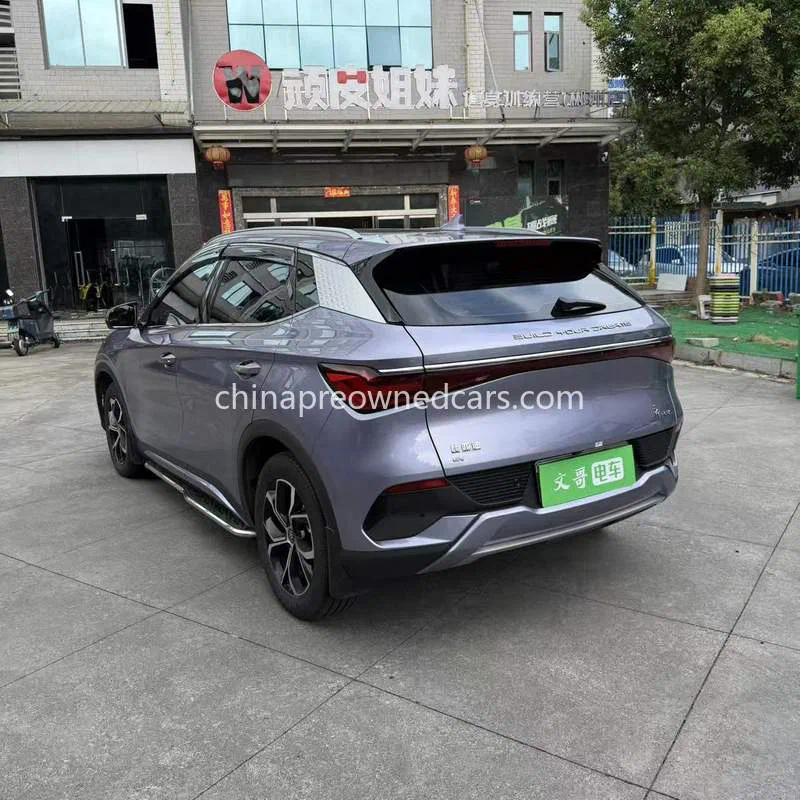
Q: What should buyers check before buying a used SUV from China? A: Buyers should check VIN records, inspection results, mileage information, condition grading, and battery health for electric vehicles. Export documents and shipping arrangements should also be reviewed before payment.