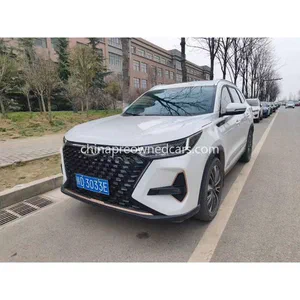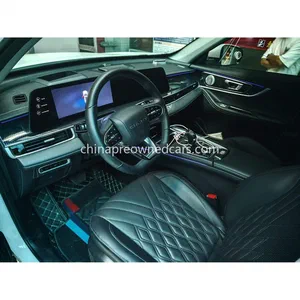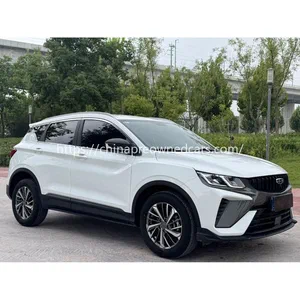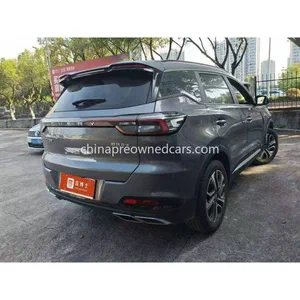
Exporting used electric and hybrid vehicles from China requires more than checking the vehicle exterior and registration records. This page explains battery assessment, charging compatibility, inspection steps, and shipping considerations for buyers sourcing models such as BYD Atto 3 and other Chinese-brand SUVs for overseas markets.
Battery checks before export
Battery condition is one of the main factors affecting the resale value of a used EV. A pre-export assessment should include battery state-of-health data, charging performance, previous usage records, and signs of abnormal battery temperature or fault history. Mileage alone does not show the remaining battery capacity.
Buyers looking for certified used cars under $10 000 often focus on purchase cost, but EV sourcing requires attention to long-term operating value. A vehicle with reduced battery capacity may have shorter driving range and different market acceptance after arrival. Inspection reports should record available battery information rather than relying only on seller descriptions.
Charging compatibility also needs verification before shipment. Chinese domestic EVs commonly use GB/T connectors, while some overseas markets use CCS or CHAdeMO systems. Ghana, Nigeria, Kenya, Uganda, and Tanzania each have developing charging networks with different levels of compatibility, so buyers should confirm local charging availability before selecting a vehicle.
Sourcing and export checks for used EVs

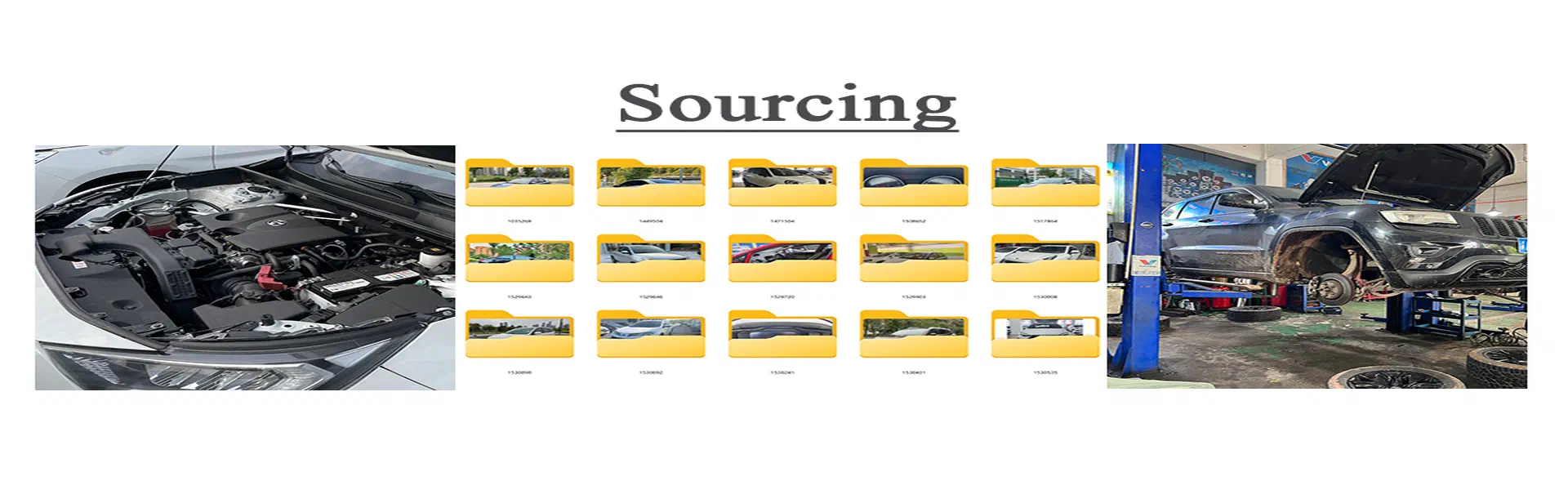
Professional sourcing involves checking more than a vehicle listing. Buyers should review VIN information, maintenance records where available, mileage records, accident history, and condition grading. A dealer source and an auction source may provide different levels of information, making independent inspection important before purchase.
Pre-shipment inspection covers vehicle condition, battery-related checks, documents, and export readiness. Export procedures normally include export licensing, customs declaration, required documentation, and shipment preparation. Vehicles may be transported by RoRo shipping or loaded into containers depending on the vehicle type, route, and logistics arrangement.
Used EV exports also require attention to battery transport rules. Lithium-ion batteries may involve dangerous goods requirements, including UN 3480 classification considerations for standalone lithium-ion batteries. Shipping arrangements must follow applicable transport regulations and carrier requirements.
Destination regulations can affect sourcing decisions. Most Chinese domestic vehicles are left-hand drive, which suits many markets but may not fit countries requiring right-hand-drive vehicles. Import rules related to vehicle age, emissions, roadworthiness, and documentation vary by destination and should be confirmed before purchase.
Practical preparation for overseas buyers
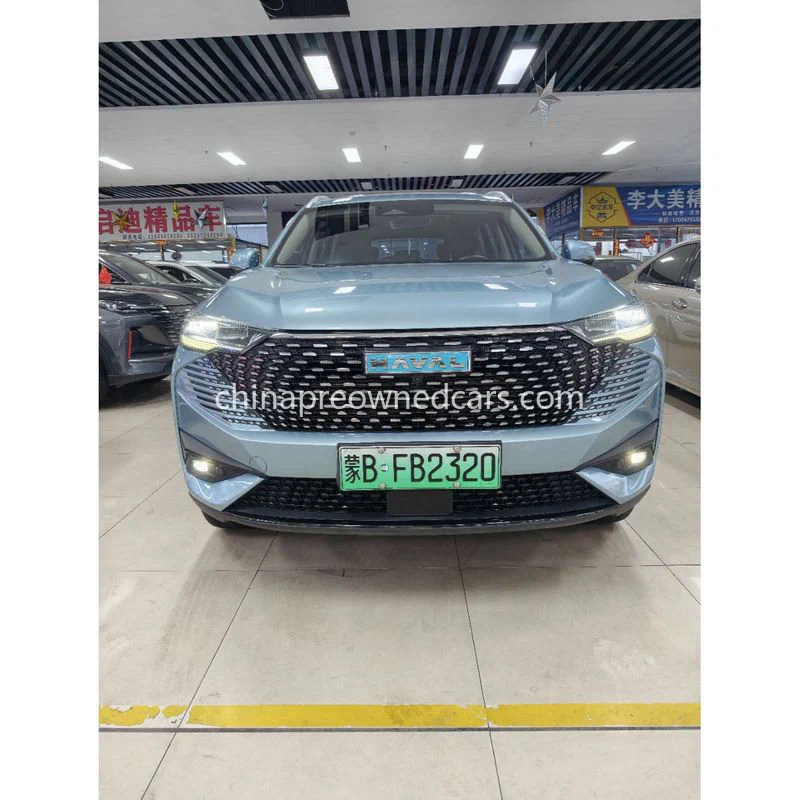
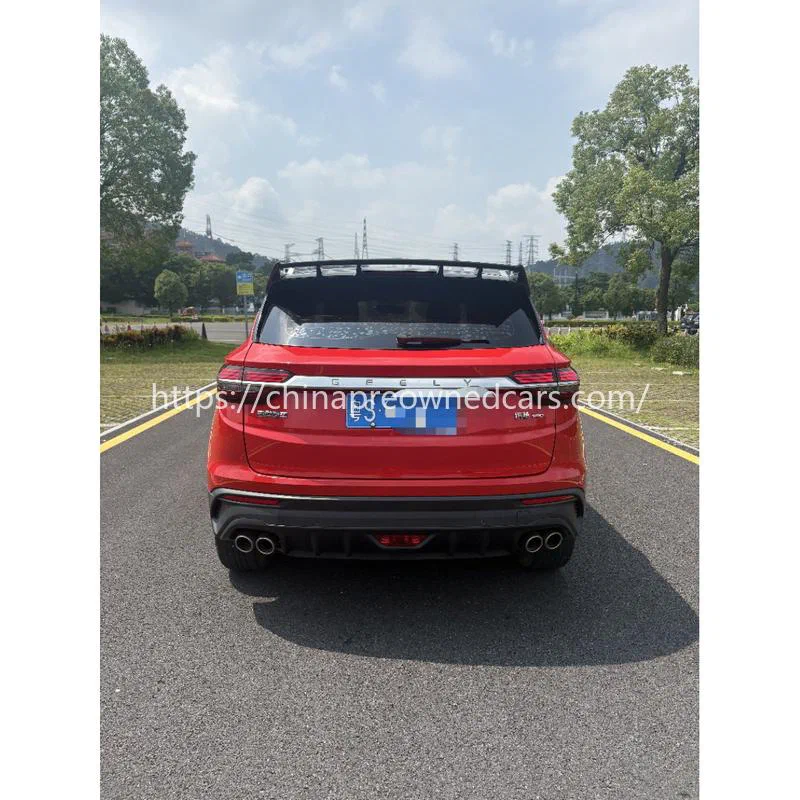
Models such as BYD Atto 3, Chery Tiggo 7 Plus, Chery Tiggo 8 Pro, Geely Coolray, and Haval H6 can serve different market needs depending on powertrain, charging access, and customer expectations. Hybrid SUVs may suit areas where charging infrastructure is still limited, while EVs can offer lower operating costs where charging support is available.
Payment terms, inspection approval, and shipping lead time should be agreed before finalizing a purchase. Buyers should confirm what documents are included, how condition assessments are recorded, and what after-sales support is available after the vehicle reaches the destination port.
FAQ
Q: What battery information should be checked before exporting a used EV? A: Buyers should check battery state of health, charging performance, available battery reports, and any recorded battery faults. These details help estimate remaining range and resale suitability.
Q: Can Chinese used EVs be exported to African markets? A: Chinese used EVs can be exported when export procedures and destination requirements are met. Buyers should confirm charging compatibility, drive side requirements, and import regulations for their specific country.