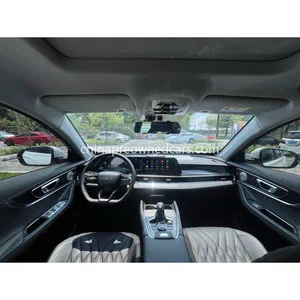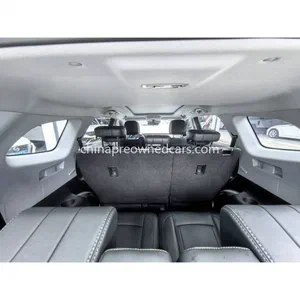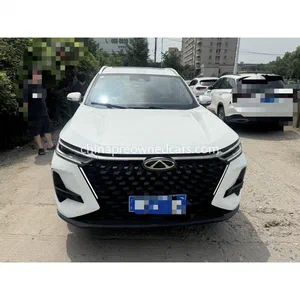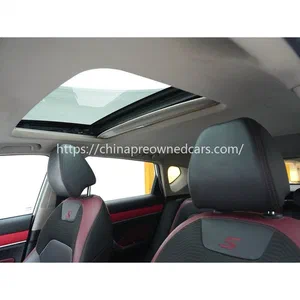
The BYD Atto 3 is a battery-electric compact SUV that suits buyers seeking a left-hand-drive vehicle for export from China to West Africa. This article covers its powertrain, used-unit checks, and the shipping steps that move it from a Chinese yard to a destination port.
The Atto 3 uses a single electric motor driving the front wheels. Battery capacity and rated range vary by trim and model year, so the quotation should identify the exact battery version and test standard. There is no tailpipe emission, but import authorities may still request technical documents covering vehicle specification, electrical safety, and applicable local requirements. Most Chinese domestic-market units are left-hand drive, which generally fits Ghana and Nigeria better than strictly right-hand-drive markets. Charging access remains a practical issue; home or depot charging should be assessed before purchase.
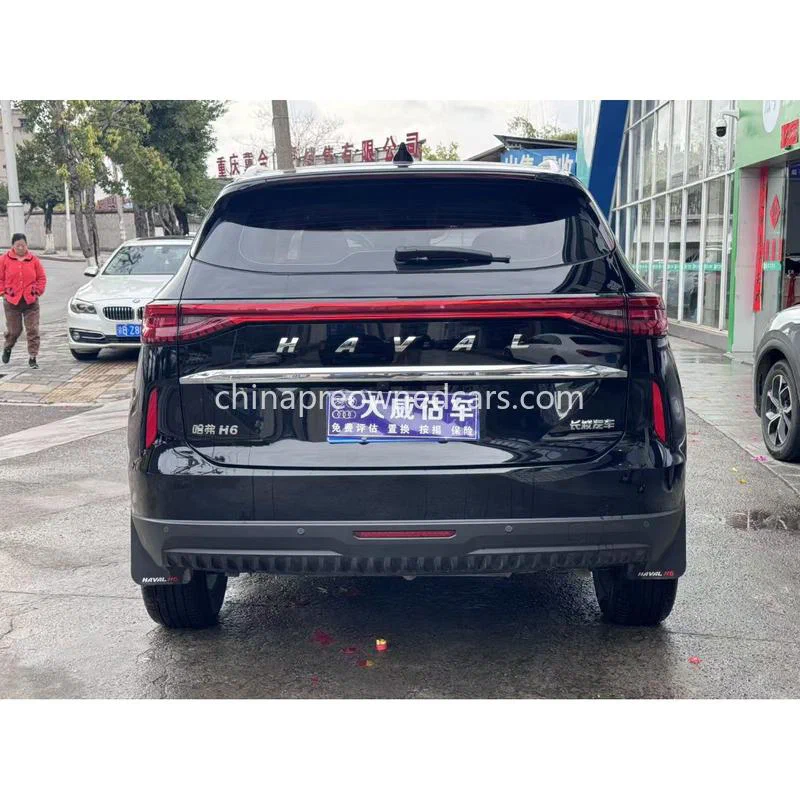
Condition grading should be based on evidence, not a label alone. A commercial inspection normally records body repairs, paint readings, glass, tyres, suspension, air-conditioning, warning lights, and underbody damage. For the Atto 3, the battery state of health is central. Ask for diagnostic results, charging performance, battery fault history, and the condition of the charging cable. Mileage must be checked against service records and vehicle history. A Chery Tiggo 7 Plus, Chery Tiggo 8 Pro, Geely Coolray, or Haval H6 may be easier to support in some locations, but that depends on local workshops and parts channels.
Export preparation starts with confirming the buyer, vehicle identification number, specification, and destination rules. China’s used vehicle exports require an export licence, customs declaration, and pre-shipment inspection. The exporter then prepares documents such as the commercial invoice, purchase or sales contract, vehicle registration or ownership records where applicable, inspection documents, and the bill of lading. Ghana, Nigeria, Kenya, Uganda, and Tanzania each set their own rules for vehicle age, emissions, drive side, roadworthiness, taxes, and port clearance. Those rules can change, so the importer or customs agent should confirm the current position before payment.
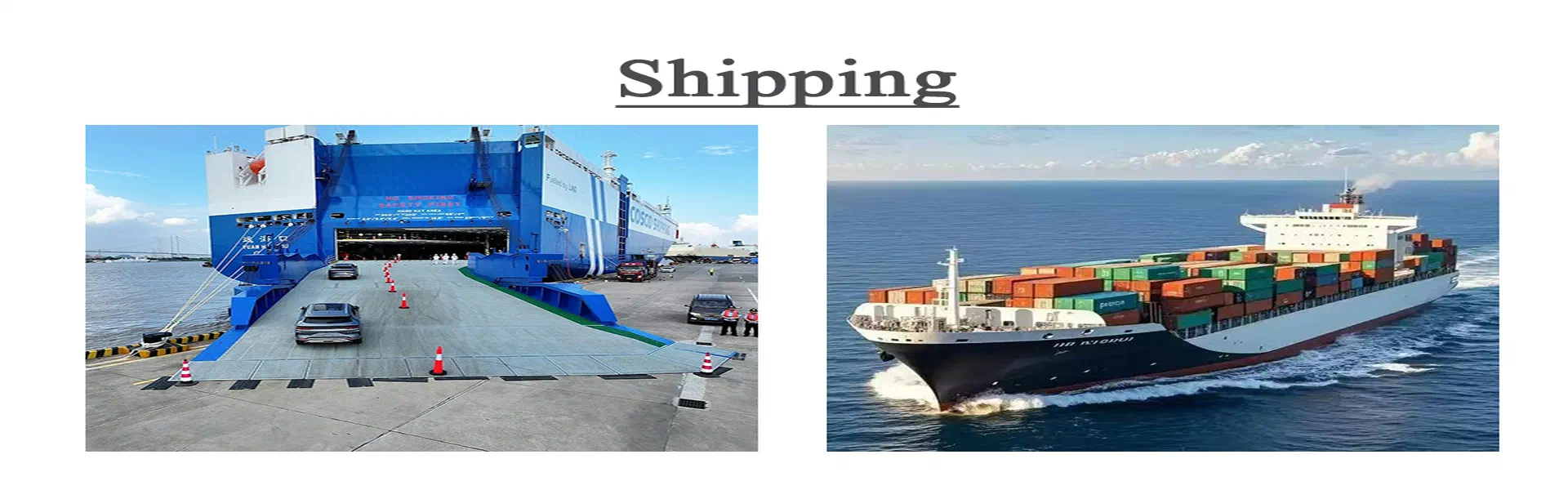
RoRo shipping usually requires the Atto 3 to be operable, with a suitable battery charge level and no restrictions on rolling it aboard. It can reduce handling and loading work, but the vehicle is exposed within the vessel’s vehicle deck and personal items are generally not permitted. Container shipping offers more protection from handling and weather, and may suit a non-running vehicle or a consolidated shipment. It requires securing, height and width checks, and careful loading. The choice depends on route availability, vehicle value, port charges, and the acceptable risk of handling damage.
Freight rates are affected by port pair, sailing schedule, vehicle dimensions, season, fuel charges, and whether the shipment is RoRo or containerised. For West African routes, cargo commonly moves toward ports such as Tema or Lagos, with transit often taking several weeks after booking and vessel departure; schedules are not fixed. Marine insurance should be considered for the agreed cargo value and listed risks. At arrival, the consignee or appointed agent receives the arrival notice, presents the bill of lading and import documents, pays applicable charges, completes customs assessment, and arranges port release. Storage fees can arise if paperwork or duty payment is delayed.
Before accepting a quotation, the buyer should match the VIN on the vehicle, inspection report, invoice, and shipping documents. Confirm whether the quoted amount includes inland transport, export fees, inspection, ocean freight, insurance, and destination charges. Payment milestones should be written clearly, with the balance linked to inspection and document release rather than informal assurances. Search terms such as best deals on second hand cars can produce wide results, but an export buyer needs traceable records and a defined scope of work. After-sales support should cover software information, charger compatibility, spare-parts sourcing, and referral to a qualified EV technician.

FAQ
Q: Is the BYD Atto 3 suitable for Ghana or Nigeria? A: It can be suitable where left-hand drive is accepted and charging access is practical. The importer must confirm current age, documentation, technical, and customs requirements for the destination.
Q: Should an Atto 3 be shipped by RoRo or container? A: RoRo is often simpler for an operable vehicle, while a container can provide added protection or suit a non-running unit. The decision depends on route, loading limits, handling risk, and total charges.
Q: What battery checks are needed before buying a used Atto 3? A: Request a battery state-of-health report, diagnostic scan, charging test, fault history, and inspection of the cable and connectors. The result should be matched with the vehicle’s VIN and recorded mileage.