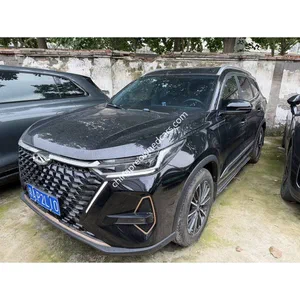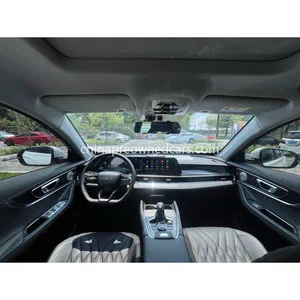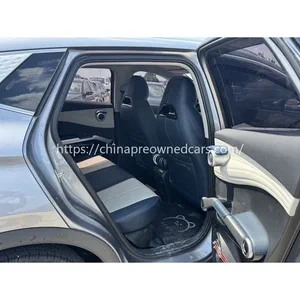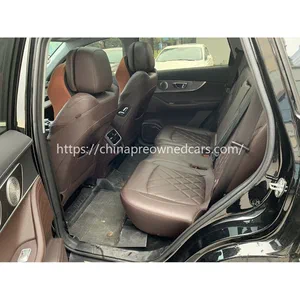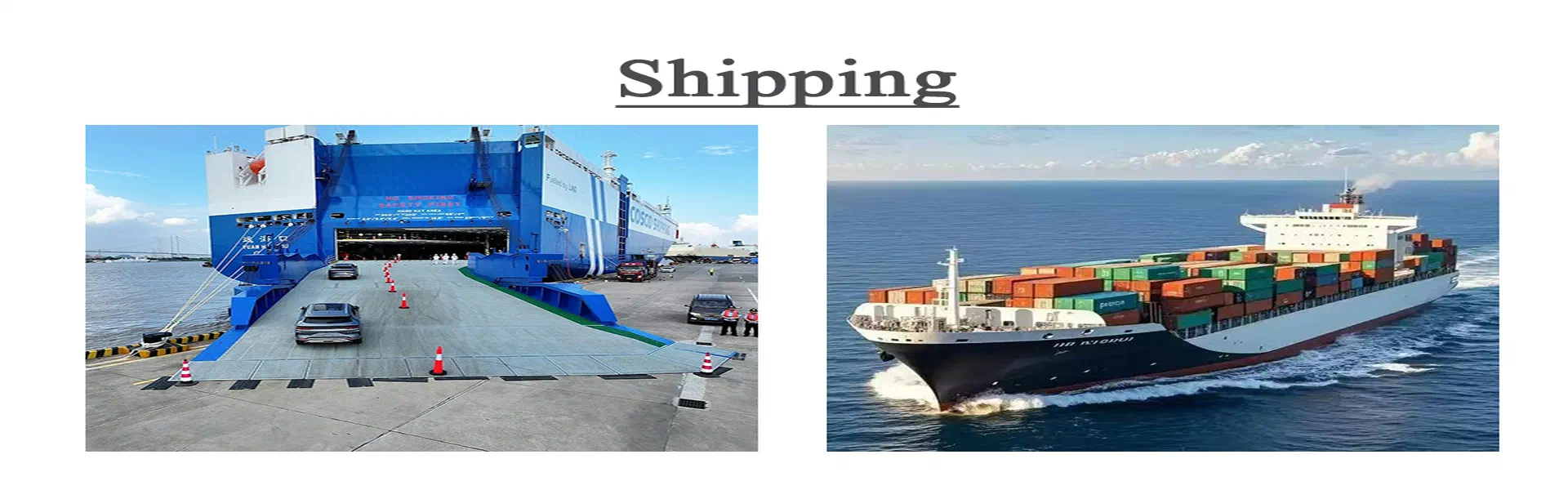

The BYD Atto 3 is a battery-electric compact SUV worth assessing for urban buyers in Ghana, Nigeria, Kenya, Uganda and Tanzania. For importers, the decision depends on battery condition, charging access, vehicle specification and the full cost of shipping from China to the destination port.
Powertrain, condition and market suitability

The Atto 3 uses an electric motor and a lithium iron phosphate (LFP) battery, with front-wheel drive on standard configurations. Battery capacity, rated range and charging capability vary by version and model year. Published range figures are test-cycle estimates, not guarantees of daily distance. Air conditioning, traffic, driving speed, road conditions and battery ageing affect actual range.
For city fleets and private urban use, electric driving can reduce routine powertrain maintenance and eliminate petrol consumption. However, charging access remains a practical constraint. Buyers should assess home or workplace charging, local electricity supply, public charging availability and the cost of installing suitable equipment. Rough roads, potholes and speed bumps also make suspension condition, tyre wear and underbody clearance important inspection points.
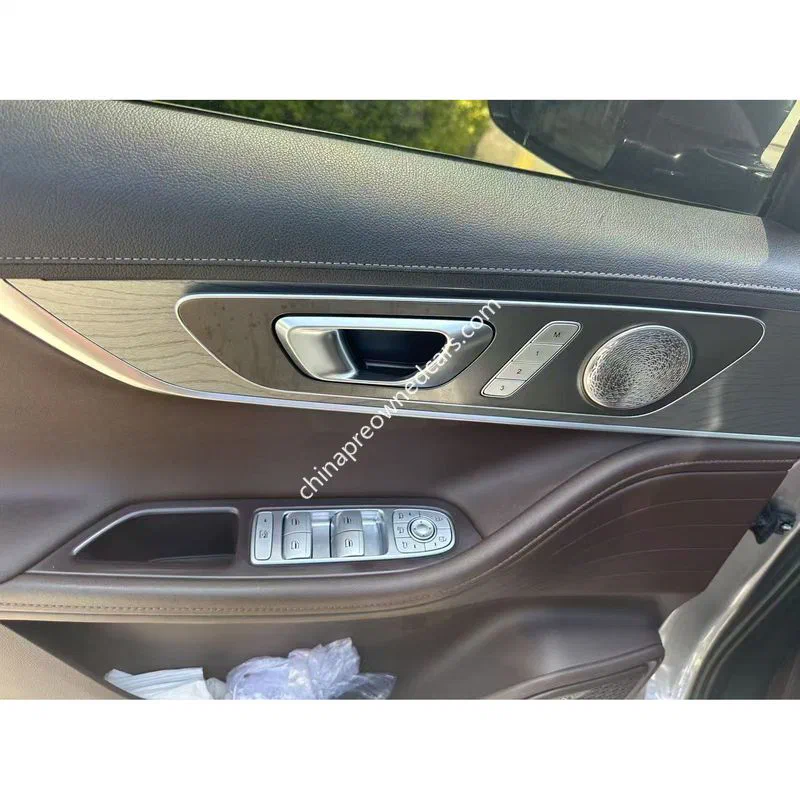
Used Atto 3 units require a different assessment from petrol SUVs such as the Chery Tiggo 7 Plus, Chery Tiggo 8 Pro, Geely Coolray and Haval H6. A condition grade should be supported by evidence covering accident repairs, odometer consistency, warning lights, tyres, suspension and interior wear. For an EV, request a battery state-of-health report, diagnostic fault scan, charging test and service history. Confirm the exact trim, battery capacity, charging connector and left-hand-drive configuration before payment.
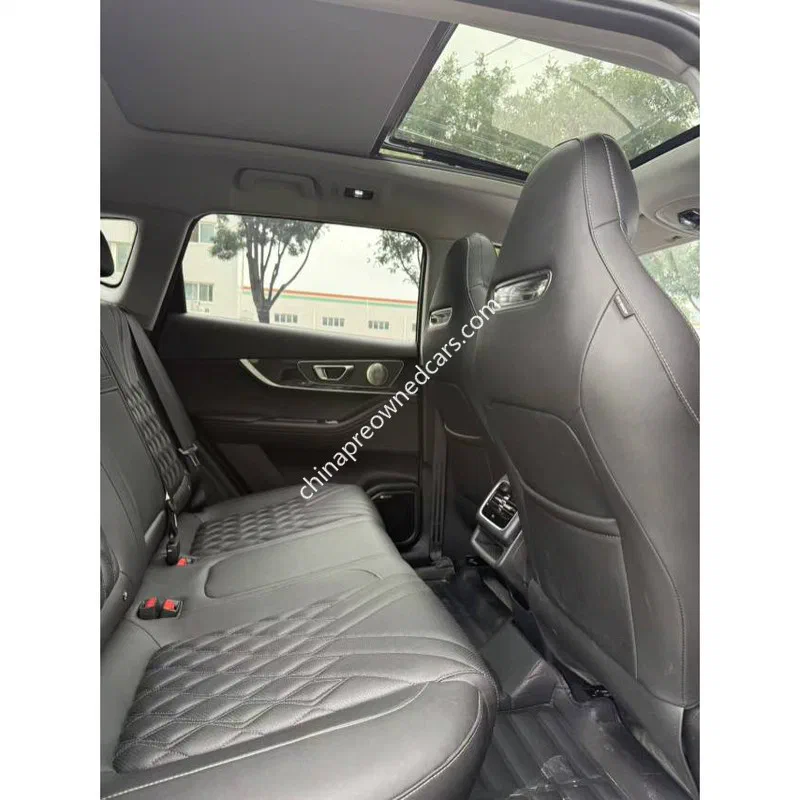
Shipping the Atto 3 to West Africa
RoRo shipping is often suitable for a running vehicle that meets the carrier’s acceptance rules. The vehicle is driven onto the vessel, reducing handling steps, although port handling and exposure during transit remain risks. Container shipping offers more control over loading and can reduce exposure to other cargo, but costs depend on container size, securing requirements, handling and whether additional vehicles share the container. EV battery declarations and carrier policies must be checked before booking either method.
Freight quotations depend on the vehicle’s dimensions, departure port, destination port, sailing schedule, seasonal capacity, terminal charges and insurance. Transit to West African ports, including those serving Ghana and Nigeria, varies by route and transshipment arrangements; buyers should request a current estimate rather than rely on a fixed lead time. Marine insurance should be reviewed for insured value, exclusions, deductible and claims procedures. The bill of lading records the shipment and is central to cargo release.
Before dispatch, the exporter must arrange the applicable export licence, customs declaration, documentation and pre-shipment inspection. Buyers sourcing second hand cars from dealerships should also confirm the purchase invoice, VIN, export documents and agreed payment milestones. At destination, the consignee or clearing agent presents the required documents, settles applicable duties and charges, completes local procedures and arranges vehicle collection. Ghana and Nigeria have their own import rules; vehicle age, emissions, roadworthiness and left-hand-drive eligibility must be checked against current requirements before purchase.
FAQ
Q: Is the BYD Atto 3 suitable for every West African buyer?
A: No. It is most practical where charging is accessible and local technicians can support electric vehicles. Battery condition and destination-country import rules need checking first.
Q: Is RoRo or container shipping better for a used Atto 3?
A: RoRo may suit a running vehicle when the carrier accepts it, while container shipping offers different loading and protection options. Compare complete freight quotations, insurance terms and EV battery requirements before choosing.