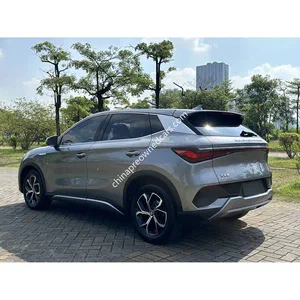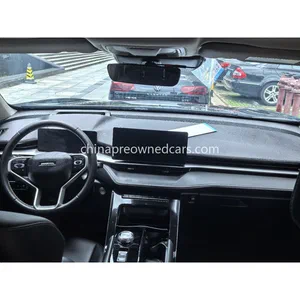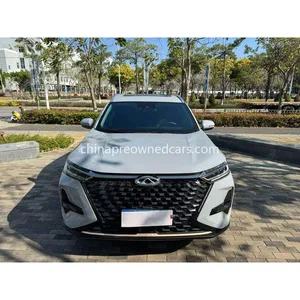
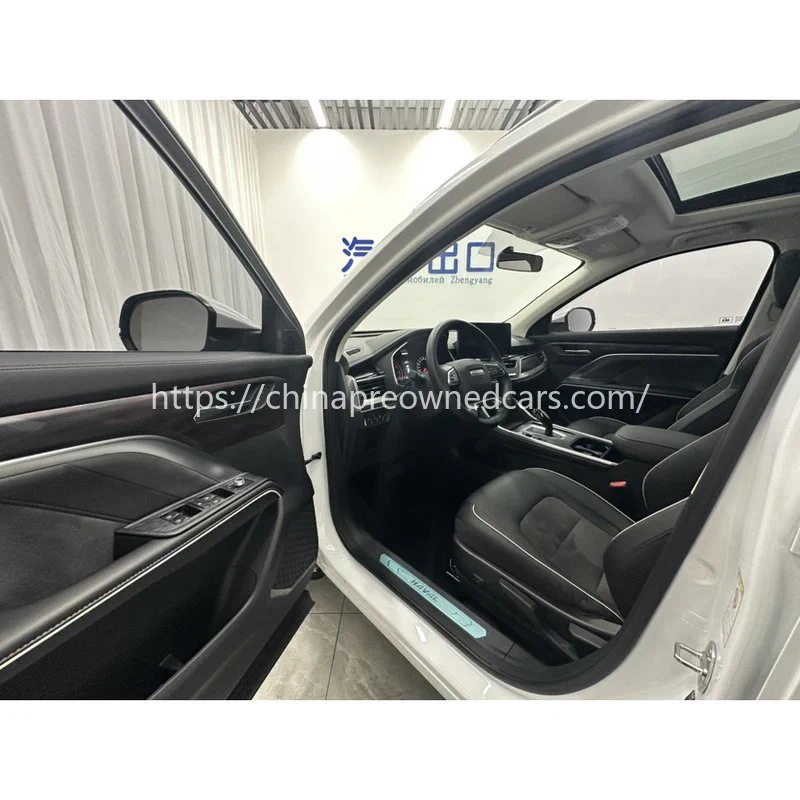
The BYD Atto 3 is a battery-electric SUV designed for everyday driving, with a practical cabin, front-wheel-drive layout and an electric powertrain that requires less routine mechanical maintenance than a petrol vehicle. For buyers importing used vehicles from China to Ghana, Nigeria, Kenya, Uganda or Tanzania, its condition, battery health and shipping arrangements deserve as much attention as its advertised range. These factors determine whether the vehicle remains a sensible purchase after arriving at the destination port.
Powertrain, Range and Export Suitability
The BYD Atto 3 uses an electric motor and a lithium iron phosphate (LFP) Blade Battery. Its front-wheel-drive configuration is straightforward, making it suitable for ordinary urban commuting and paved-road travel. Available battery capacities and driving ranges vary by model year and specification. Buyers should check the exact vehicle version rather than rely on a range figure taken from a newer model or a different market. Official range figures also depend on the testing cycle and may exceed what drivers achieve under everyday conditions, particularly with air conditioning, heavy loads or sustained highway speeds.
The electric powertrain produces no tailpipe emissions and does not require engine oil changes, exhaust maintenance or conventional transmission servicing. This can reduce routine maintenance requirements. However, charging access remains a practical consideration. Buyers in Ghana and Nigeria should assess charging availability around their intended operating areas, while importers supplying Kenya, Uganda and Tanzania should consider the availability of compatible charging equipment and local technical support. The Atto 3 is primarily a left-hand-drive vehicle in China’s domestic market. That suits left-hand-drive markets but may restrict its suitability where right-hand-drive vehicles are required. The vehicle’s ground clearance, tyre condition and suspension should also be checked against the road conditions it will encounter.
A used Atto 3 can be a candidate for buyers searching for the best used car to buy for reliability, but the assessment must begin with the individual vehicle. Condition grading should cover the body, interior, mechanical components, electrical systems and battery. Cosmetic marks and minor interior wear may be acceptable in a lower grade, provided structural integrity and essential systems remain satisfactory. More serious concerns include previous collision repairs, water damage, warning lights, suspension problems and inconsistencies in recorded mileage. Battery state of health (SOH) deserves particular attention. Request a diagnostic report showing available battery capacity, charging performance and fault records. Check the charging port, onboard charging equipment, tyres, brakes and cooling system. A VIN check and service-history review can help identify discrepancies, but neither replaces a physical inspection.
Shipping the BYD Atto 3 to West Africa
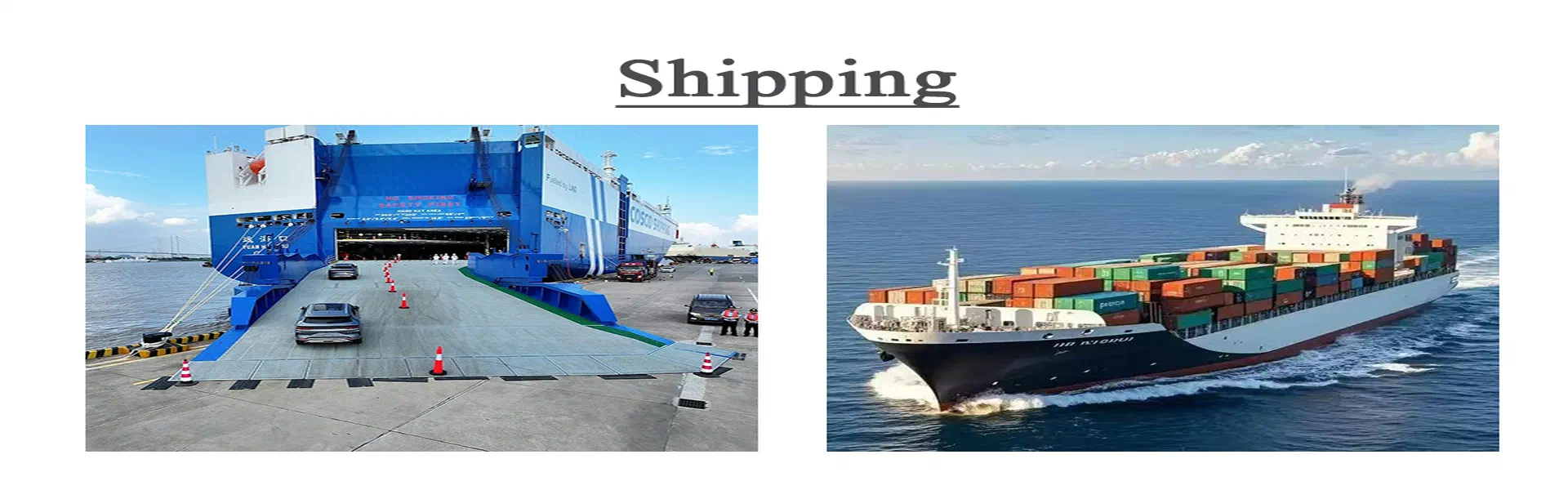
After the vehicle has passed the buyer’s inspection, shipping arrangements become the next commercial consideration. Two common options are roll-on/roll-off (RoRo) and container shipping. RoRo allows the vehicle to be driven onto a specialist vessel and secured in its designated position. It is often economical for standard running vehicles, although access to the vehicle during transit is restricted and exposure to the shared vessel environment should be considered. Container shipping places the Atto 3 inside a secured container, offering greater protection from handling and external exposure. It may also suit shipments involving additional approved cargo, subject to carrier rules and loading restrictions. Container loading requires suitable securing equipment and compliance with electric-vehicle battery transport requirements. The choice depends on freight quotations, vehicle dimensions, sailing availability, cargo arrangements and the buyer’s risk preference.

Freight costs are not determined by vehicle purchase price alone. The quotation should identify the shipping method, origin handling, port charges, documentation fees and any applicable destination charges. Container dimensions, availability, vessel schedules, fuel-related surcharges and seasonal demand can affect the final amount. For West African shipments, buyers should confirm the intended discharge port and whether the quotation covers transport only or additional logistics services. Transit time depends on the vessel route, transshipment arrangements, port congestion and customs processing. A sailing estimate is not the same as a guaranteed arrival date. Marine insurance should be discussed before departure, with the insured value, covered risks, exclusions and claims procedure clearly documented. For an electric vehicle, battery-related exclusions deserve particular scrutiny.
Export preparation includes the required Chinese export licence, customs declaration and pre-shipment inspection. The exporter should coordinate the vehicle’s VIN and specification records with the commercial invoice, packing documentation where applicable, and shipping instructions. Once loaded, the carrier issues a bill of lading, which records the shipment and is central to the destination release process. Before payment is completed, buyers should establish which original or electronic documents will be provided and who is responsible for each export and import procedure. At the destination port, the importer or appointed clearing agent handles customs entry, applicable duties and taxes, port charges, and any required local inspection. Ghana, Nigeria, Kenya, Uganda and Tanzania have different vehicle-age, emissions, roadworthiness and import requirements. These rules can change, so eligibility must be confirmed before purchase. The battery’s transport classification and handling requirements should also be checked with the shipping carrier.
FAQ
Q: Is the BYD Atto 3 suitable for export to Ghana and Nigeria?
A: It can be suitable where left-hand-drive electric vehicles are permitted and charging facilities meet the buyer’s operating needs. Importers should confirm current vehicle eligibility and local registration requirements before shipping.
Q: Is RoRo or container shipping better for a used BYD Atto 3?
A: RoRo is often a more economical option for eligible running vehicles, while container shipping provides greater physical protection. Battery transport requirements and carrier acceptance must be confirmed before selecting either method.
Q: What should buyers check before importing a used BYD Atto 3 from China?
A: Request a physical inspection, VIN verification, service-history review and battery SOH diagnostic report. Also confirm the vehicle’s left-hand-drive configuration, destination import eligibility, shipping insurance and complete export documentation.