
Reliable websites for buying used cars overseas are those that provide verifiable vehicle details, clear seller information and a documented export process. For buyers sourcing Chinese vehicles for Ghana, Nigeria, Kenya, Uganda and Tanzania, the website is only the starting point; shipping arrangements, export documentation and destination-port handling matter just as much. A listing that looks attractive online can become an expensive purchase if freight terms and delivery responsibilities are unclear.
Choosing a Reliable Used Car Website

A good second hand websites search should begin with platforms that identify the seller, show the vehicle’s actual specifications and provide enough information for independent checks. General used-car marketplaces can help buyers compare models and prices, while specialist exporters are often more useful when the purchase involves international shipping. The distinction matters. A domestic listing platform may connect a buyer with a seller but offer no export licensing, customs documentation or freight coordination.
Before contacting an exporter, examine the information available on the website. A credible listing should identify the make, model, year, powertrain, mileage and vehicle identification number where available. Photographs should cover the exterior, interior, dashboard, tyres and visible signs of previous repairs. For electric vehicles, battery information is particularly important. Buyers should request a battery state-of-health report or supporting diagnostic information rather than relying on a general description of battery condition.
Seller transparency also deserves attention. Check whether the business provides a verifiable company identity, physical contact details, clear payment instructions and written purchase terms. Ask who owns the vehicle, who conducts the inspection and which party is responsible for export procedures. A website’s professional appearance is not proof of reliability. Independent verification and consistent documentation carry more weight.
RoRo or Container Shipping: Which Option Fits the Purchase?
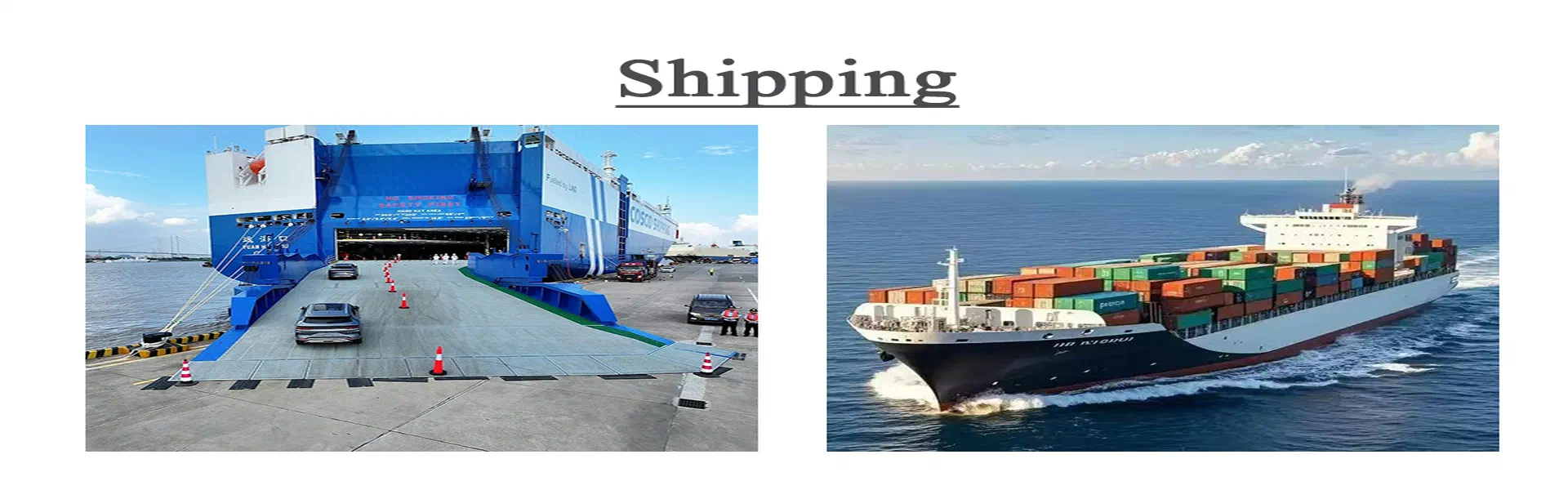
Once a vehicle has been selected, shipping becomes a central part of the buying decision. Chinese used vehicles destined for West Africa generally move by roll-on/roll-off (RoRo) vessel or inside a shipping container. Both methods can work, but their costs, loading requirements and exposure to handling risks differ.
RoRo shipping allows vehicles to be driven or moved onto a specialised vessel and secured in designated vehicle decks. It is often the more economical option for standard passenger vehicles because it avoids the additional container, loading and unloading costs. The trade-off is that the vehicle remains in a shared vehicle-shipping environment. It may be exposed to routine terminal handling and movement during loading and discharge. Personal belongings and loose equipment are generally subject to strict carrier restrictions.
Container shipping places the vehicle inside a secured freight container. This provides greater control over how the vehicle is positioned and reduces exposure to other vehicle movements and some external handling risks. It can suit higher-value vehicles or shipments requiring additional protection. However, container dimensions, vehicle clearance, loading equipment and securing arrangements must be checked before booking. Container shipping also involves loading and unloading costs, and a poorly secured vehicle can still sustain damage in transit.
Freight rates are not determined by the vehicle purchase price alone. Important factors include the vehicle’s dimensions, shipping method, departure port, destination port, vessel availability, seasonal demand and carrier charges. Additional expenses may include terminal handling, documentation, loading, storage and destination charges. Buyers should compare written quotations using the same shipping terms and confirm which charges are included. A low headline freight rate may exclude substantial port-related costs.
Transit, Insurance and Destination-Port Procedures
Transit times to West African ports depend on the departure port in China, the vessel’s route, transshipment arrangements and port congestion. Direct services and services involving intermediate ports can have different schedules. A quoted transit period is an estimate, not a guaranteed arrival date. Buyers should distinguish vessel departure, estimated arrival and the time required for cargo release after arrival. Customs processing and port operations can extend the overall delivery period.
Marine insurance should be discussed before shipment. The buyer should confirm whether the carrier’s liability is being mistaken for comprehensive cargo insurance. These are not equivalent. A separate marine cargo policy may cover specified risks during transit, subject to its exclusions, conditions and insured value. The policy should identify the vehicle correctly and explain the claims procedure. Before loading, retain dated photographs, inspection records and evidence of the vehicle’s condition. These documents can help establish the vehicle’s pre-shipment state if damage is reported later.
The bill of lading is another essential shipping document. It records the shipment details and serves as evidence of the contract of carriage and, depending on its form, a document of title. The buyer should check the consignee information, vehicle description, port details and document-release arrangements. Other paperwork generally includes the commercial invoice, purchase documentation, export declaration and relevant inspection records. China’s used vehicle exports require the applicable export licensing, customs declaration and pre-shipment inspection procedures. The exporter should explain which documents it prepares and which information must be supplied by the buyer.
At the destination port, the consignee or appointed clearing agent receives the arrival notice and arranges cargo clearance. This usually involves submitting the bill of lading and supporting documents, completing customs procedures and paying applicable duties, taxes and port charges. The vehicle is then released for collection or onward transport, subject to local requirements. Ghana, Nigeria, Kenya, Uganda and Tanzania each have their own import rules covering vehicle age, emissions, roadworthiness and other conditions. These rules can change. Buyers should confirm current requirements with the relevant customs authority or a licensed clearing agent before paying for a vehicle or booking freight.
A practical purchase process should therefore connect the website listing to the final port release. Before making payment, obtain a written vehicle specification, inspection findings, agreed purchase terms, freight quotation and clear allocation of destination charges. Confirm whether marine insurance is included or arranged separately. For an electric model such as the BYD Atto 3, request battery condition evidence and confirm that the shipping provider accepts the vehicle under its applicable battery transport procedures. For petrol or hybrid SUVs such as the Chery Tiggo 7 Plus, Chery Tiggo 8 Pro, Geely Coolray and Haval H6, verify the powertrain, equipment and vehicle condition against the actual unit being purchased. Most Chinese domestic vehicles are left-hand drive, so compatibility with the destination market must also be checked. A reliable exporter should explain these points before the transaction, not after the vehicle reaches the port.
FAQ
Q: Is RoRo or container shipping better for used cars from China to Ghana and Nigeria?
A: RoRo is often more economical for standard vehicles, while container shipping offers greater control over loading and protection. The suitable option depends on the vehicle, freight quotation, carrier restrictions and buyer’s risk preferences.
Q: What documents are needed to receive a used car shipped from China to West Africa?
A: Common documents include the bill of lading, commercial invoice, purchase documentation, export declaration and applicable inspection records. Destination customs requirements differ, so the buyer should confirm the current document checklist with a local clearing agent.