Nigeria-bound used vehicles need to satisfy import rules before their road performance becomes relevant. Buyers sourcing from China must assess steering position, vehicle condition, powertrain suitability and destination charges, while planning shipping from the export side through to port clearance. For chinapreownedcars.com, the key is matching available Chinese SUVs to Nigerian operating conditions and choosing a transport method that fits the shipment.
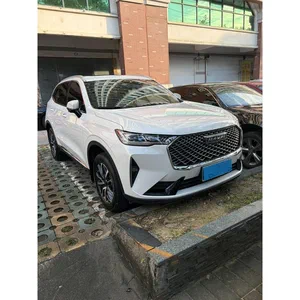
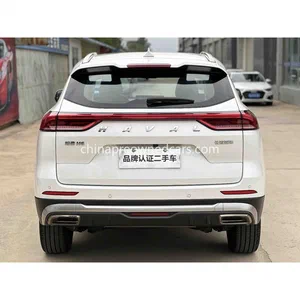
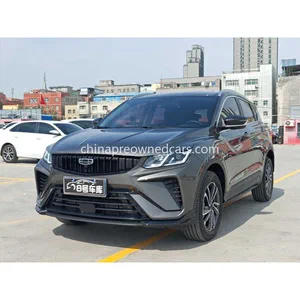
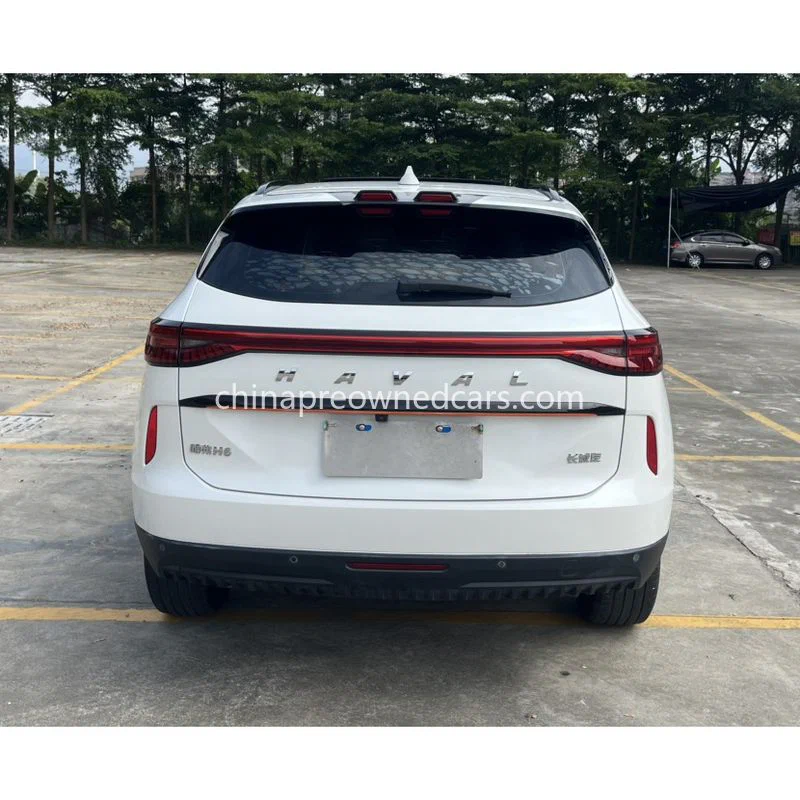
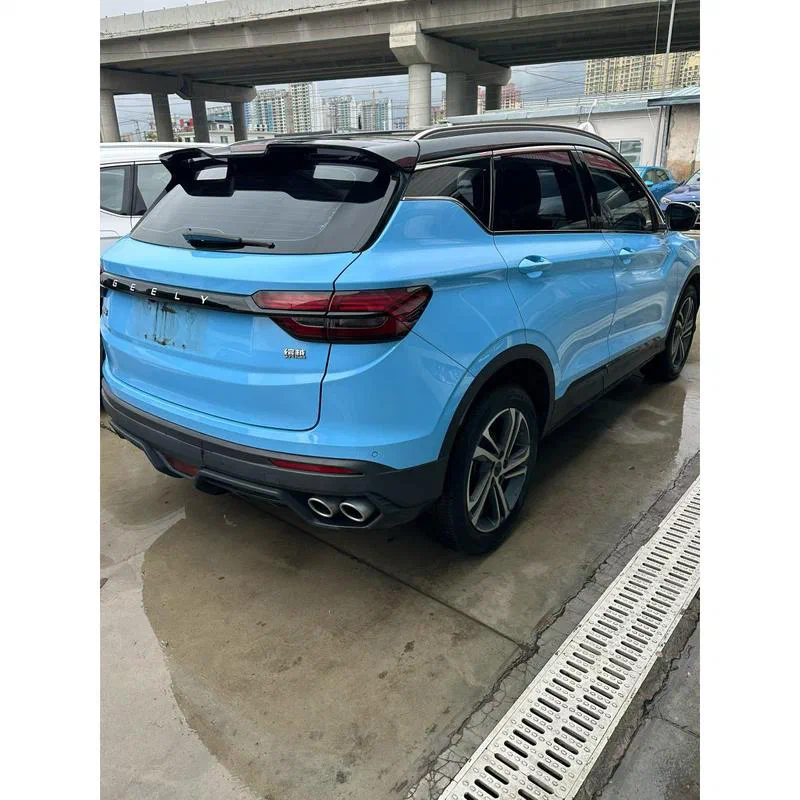
Nigeria’s left-hand traffic system makes steering position an early screening requirement. Most vehicles in China’s domestic market are left-hand drive (LHD), which suits Nigeria’s right-hand-drive vehicle configuration less directly: Nigeria generally drives on the right side of the road, so LHD vehicles align with its traffic direction. Buyers should still verify the precise vehicle configuration and local registration requirements before committing. The BYD Atto 3, Chery Tiggo 7 Plus, Chery Tiggo 8 Pro, Geely Coolray and Haval H6 are models worth comparing, subject to the specifications and condition of each unit. Nigeria’s vehicle age restrictions, emissions rules and import policies can change, so the importer should confirm current requirements with a licensed customs agent before purchase.

Road and climate conditions influence which specifications deserve attention. Potholes, uneven urban roads, seasonal flooding and hot, humid weather make tyre condition, suspension wear, cooling performance and underbody inspection important. The Chery Tiggo 8 Pro offers a larger SUV format for buyers who need additional cabin space, while the Geely Coolray may suit buyers prioritising a more compact vehicle. The Haval H6 and Chery Tiggo 7 Plus provide alternatives for different space and equipment requirements. For the electric BYD Atto 3, battery state of health, charging compatibility and access to dependable charging facilities deserve particular scrutiny. Buyers should compare actual inspection findings rather than assume that a newer model or lower recorded mileage guarantees better condition.
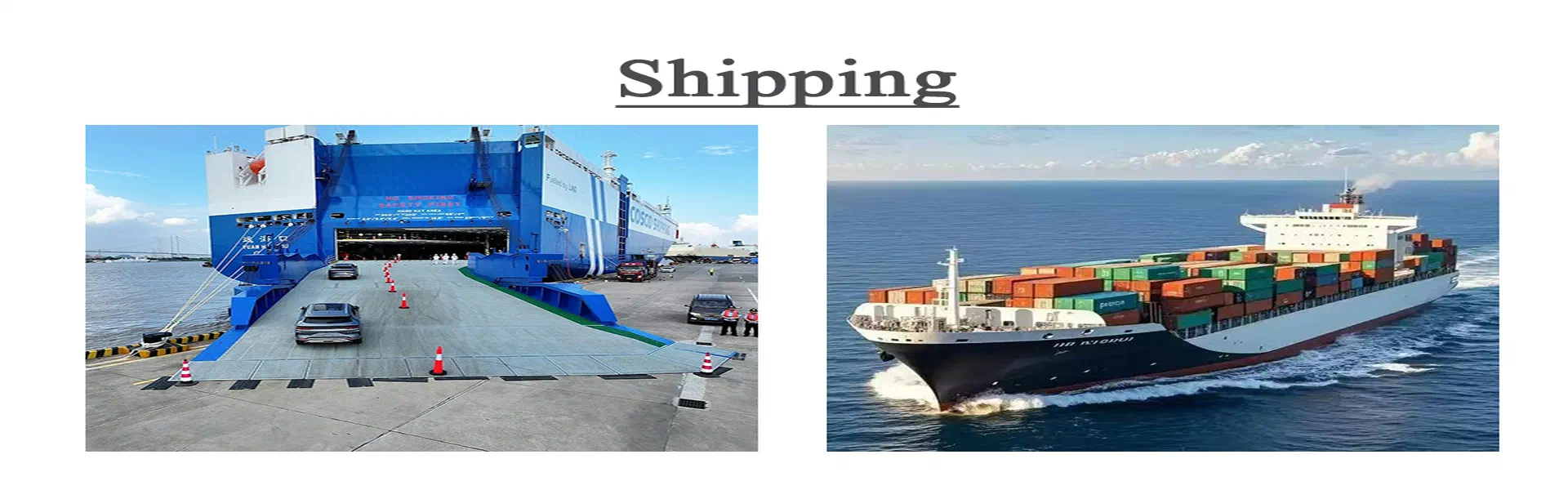
Shipping arrangements affect the landed cost and condition risks. Roll-on/roll-off (RoRo) transport generally suits operational vehicles that can be driven onto and off the vessel. It can be economical, but cargo handling and exposure during port operations should be considered. Container shipping can offer more protection from weather and some handling risks, although loading, securing, container availability and handling charges can increase costs. Vehicle dimensions, battery-related transport rules, shipment volume and the selected service all affect the decision. Freight quotations should specify origin charges, ocean freight, destination charges and any surcharges rather than presenting an isolated ocean rate as the complete shipping cost.
Transit time to a Nigerian port depends on the departure port in China, vessel schedules, transshipment, congestion and customs processing. Buyers should request a current route estimate rather than rely on a fixed delivery promise. Marine cargo insurance should be reviewed for insured value, exclusions, deductibles and claims procedures; shipping coverage should not be assumed to cover every scratch, mechanical fault or delay. The bill of lading records the shipment and is central to cargo release. Other paperwork may include the commercial invoice, vehicle identification details, export documents and destination-specific customs declarations. China-side export licensing, customs declaration and pre-shipment inspection must be addressed before dispatch. At destination, the importer or appointed agent handles clearance, applicable duties and taxes, port charges, and collection after release.
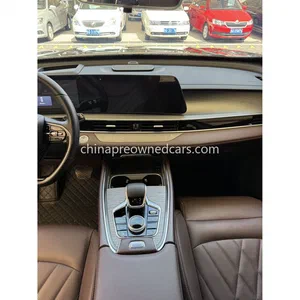
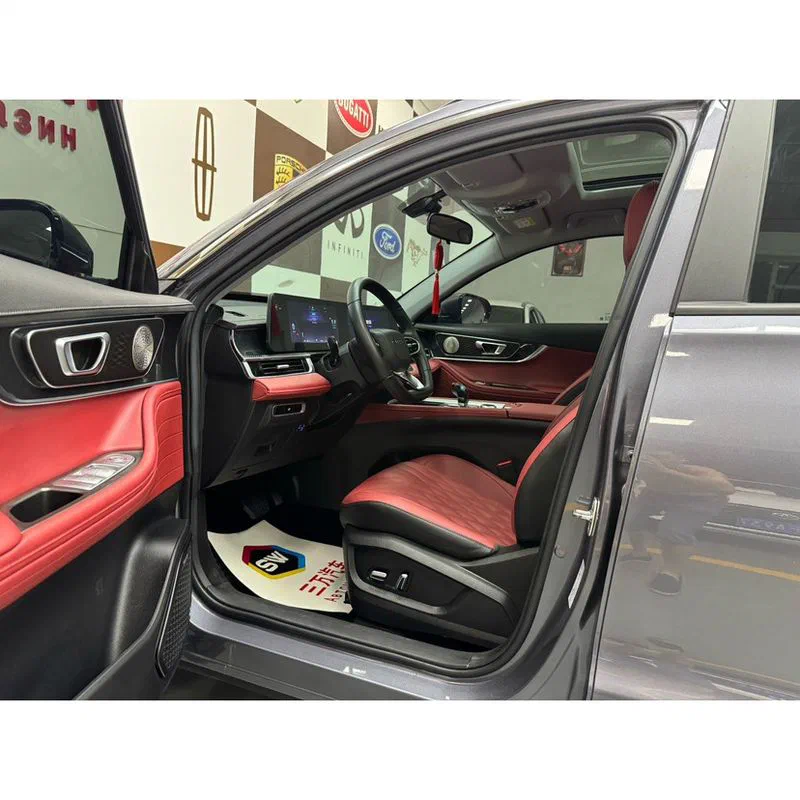
Before paying a supplier, Nigerian buyers should request the VIN, clear photographs, service and accident-history records where available, and an inspection report covering the engine or electric drivetrain, transmission, suspension, tyres, electronics and signs of structural damage. EV reports should include battery health information where available. Confirm the payment schedule, refund conditions, responsibility for inspection, shipping arrangements and documents to be supplied. Businesses searching for used cars to sell should calculate the full landed cost, including freight, insurance, duties, clearing fees and inland delivery, before deciding whether a vehicle fits their resale market. Chinapreownedcars.com supports sourcing, inspection coordination, export documentation and shipping arrangements; the buyer should independently verify current Nigerian import eligibility and agree in writing on each party’s responsibilities.
FAQ
Q: Is RoRo or container shipping better for used SUVs from China to Nigeria?
A: RoRo can suit standard, operable SUVs where freight cost is the priority. Containers may offer additional protection, but loading costs, vehicle dimensions and carrier requirements need to be assessed.
Q: What should Nigerian importers confirm before buying a used SUV from China?
A: Verify steering position, vehicle identity, inspection findings, age and emissions eligibility, and the current import and duty requirements. Obtain a complete shipping quotation and confirm the documentation needed for customs clearance before payment.