
Purchasing a pre-owned vehicle, especially for export, requires careful consideration and thorough verification. Buyers should pay close attention to vehicle specifications, overall condition, and the exporter’s credibility. This article outlines essential checks to ensure a successful purchase while navigating the complexities of the used vehicle market and shipping logistics.
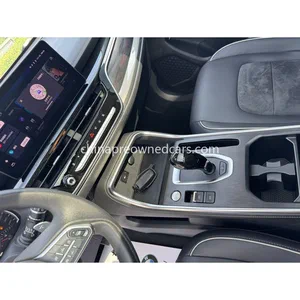
Start by verifying the vehicle’s condition. Mileage is a crucial indicator of wear and tear, while a complete service history provides insight into past maintenance. Buyers should also check for any accident records, as these can significantly affect the vehicle’s integrity and resale value. For electric vehicles, battery health becomes paramount; request a report detailing the battery’s state of health. Additionally, check the Vehicle Identification Number (VIN) against official records to confirm authenticity and ownership history.
Documentation plays a vital role in the export process. Buyers should request an inspection report to ensure the vehicle meets necessary standards. This should be accompanied by an export license and customs clearance paperwork that legally authorize the vehicle’s export. Understanding these documents helps avoid delays at the destination port. The credibility of the exporter is essential; assess their track record and customer reviews to ensure reliability.
When it comes to payment terms, a clear agreement should be established upfront. Standard practices often include an initial deposit followed by the balance upon shipment or delivery. Ensure that all payment methods are secure and offer protection against fraud. Being aware of common pitfalls, such as unexpected fees or miscommunication regarding vehicle condition, can save buyers from complications later in the transaction.
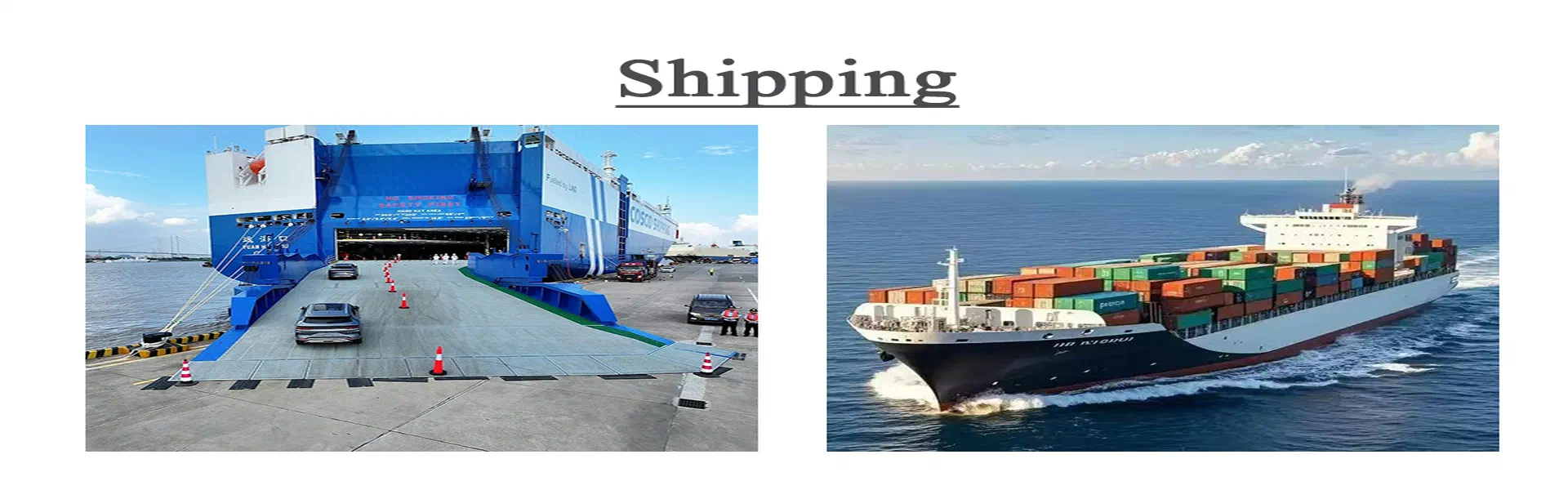
Shipping logistics also require careful consideration. The choice between Roll-on/Roll-off (RoRo) and container shipping can impact both cost and risk of damage. RoRo is generally more economical but exposes vehicles to potential weather and handling risks during transit. Container shipping offers better protection but may incur higher costs and loading constraints. Transit times to West African ports typically range from 15 to 25 days, depending on the route. Marine insurance is advisable to cover potential damage during shipping, and obtaining a Bill of Lading is crucial for tracking the shipment.

Upon arrival at the destination port, buyers should be prepared for customs procedures. Each country has specific requirements regarding vehicle age, emission standards, and roadworthiness. For instance, most Chinese vehicles are left-hand drive, which is suitable for most markets in West Africa but may not be for others. It is important for buyers to verify current regulations and ensure compliance before the vehicle arrives to avoid delays or additional costs.
FAQ
Q: What should I verify before purchasing a pre-owned car?
A: Buyers should check mileage, service history, accident records, battery health for EVs, and VIN authenticity.
Q: What documents are necessary for exporting a vehicle?
A: Essential documents include the inspection report, export license, and customs clearance paperwork.