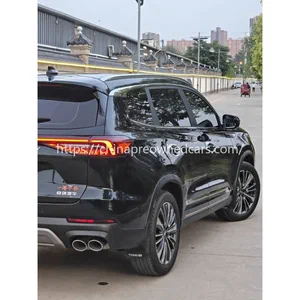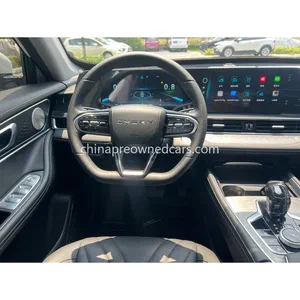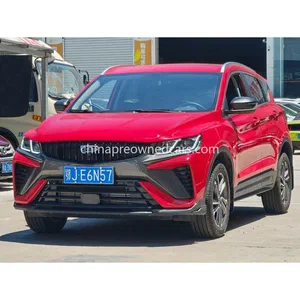
Choosing a used automatic car for export requires checking the transmission, engine or battery condition, service history, and compatibility with the destination market. Shipping arrangements matter just as much: buyers importing vehicles from China to West Africa need to compare RoRo and container freight, confirm insurance coverage, and understand the documentation required before the vehicle leaves port.
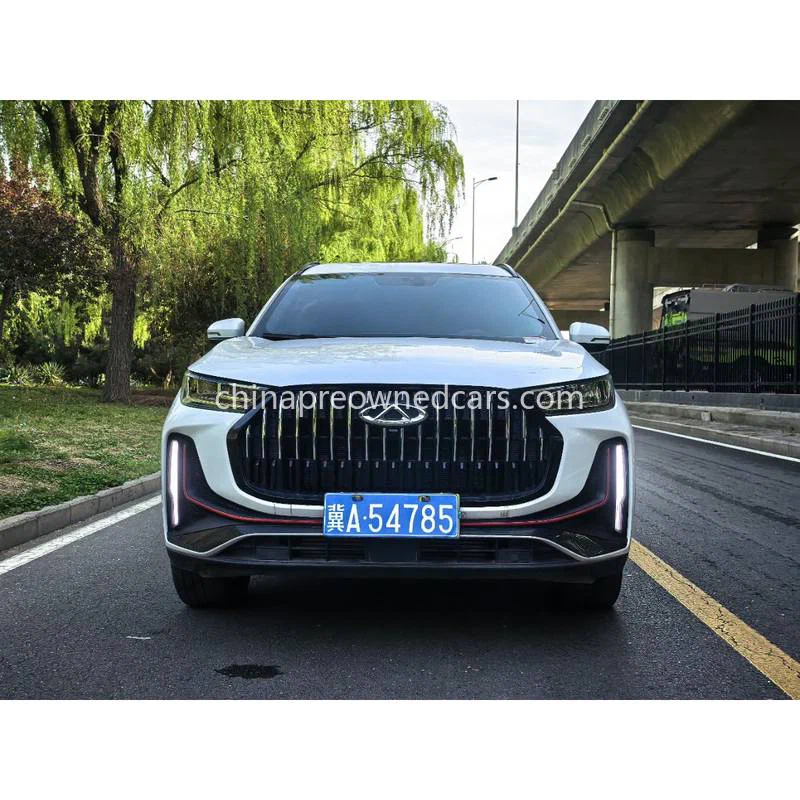
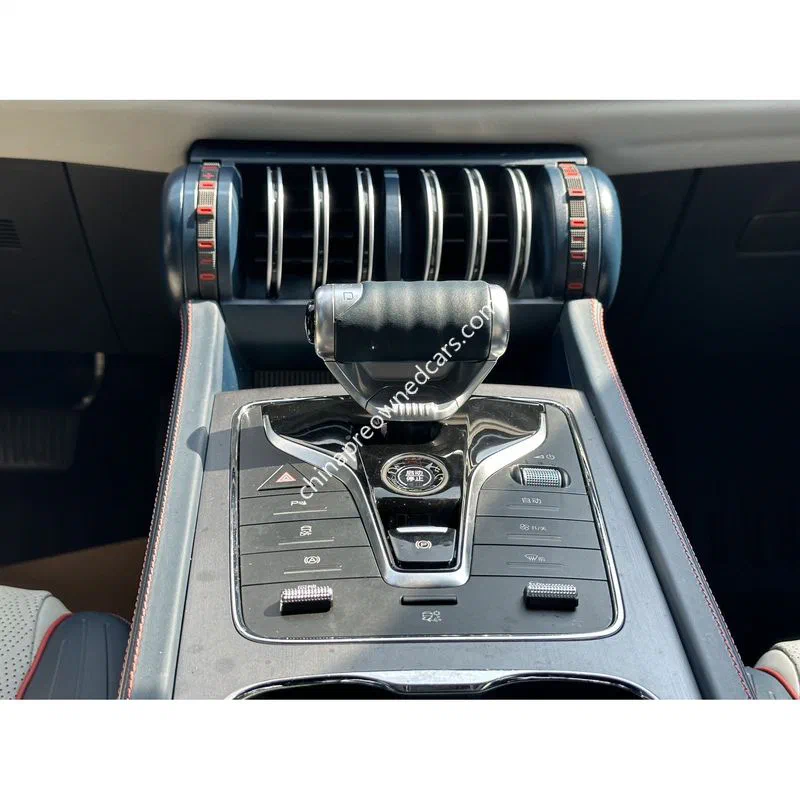
An automatic transmission should be tested before purchase. During inspection, check whether gear changes are smooth, whether there is hesitation when moving from park to drive, and whether unusual noises or warning lights appear. A road test should cover acceleration, braking, reversing, and low-speed manoeuvres. The transmission fluid condition and available maintenance records also deserve attention. For pre owned automatic cars for sale, buyers should request a vehicle inspection report rather than rely on photographs or a seller’s description. Models such as the BYD Atto 3, Chery Tiggo 7 Plus, Chery Tiggo 8 Pro, Geely Coolray, and Haval H6 have different powertrain configurations, so the inspection checklist should match the specific vehicle.
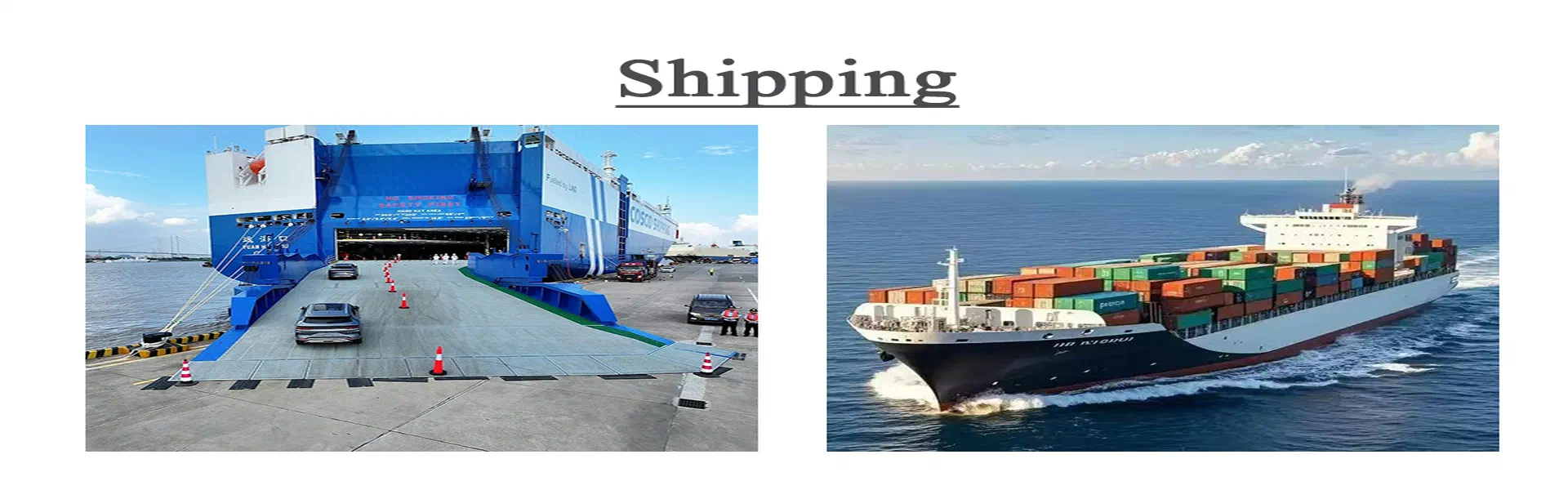
Shipping method is one of the main decisions after a vehicle has been selected. RoRo (Roll-on/Roll-off) shipping places the vehicle directly onto a specialised vessel using its own wheels. It is often economical for running vehicles and avoids the additional work of container loading. However, vehicles share vessel space, and buyers have less control over exposure during handling and transit. Container shipping places the vehicle inside a secured container, either individually or alongside other permitted cargo. It offers greater protection from weather and some handling risks, but loading, securing, and container charges can increase the total freight cost. Non-running vehicles, certain vehicle dimensions, and battery-related transport restrictions may also affect which method is available.
Freight quotations depend on the vehicle’s dimensions, shipping method, departure port, destination port, seasonal vessel capacity, and applicable handling charges. For shipments from China to West Africa, buyers commonly consider major destination ports serving Ghana and Nigeria, including Tema and Lagos. Transit time depends on the sailing route, transshipment arrangements, vessel schedules, and port congestion; a quoted schedule should therefore be treated as an estimate rather than a guaranteed arrival date. Marine insurance should be discussed before shipment. Buyers need to check the insured value, covered risks, exclusions, excess, and claim procedure. Basic freight liability is not necessarily equivalent to comprehensive cargo insurance. The agreed coverage should be documented before loading.

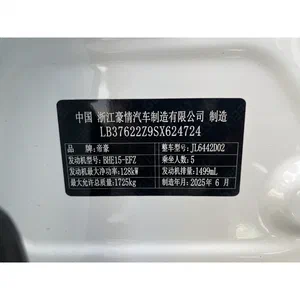
Export documentation must be prepared before departure. The Chinese exporter handles the applicable export licensing, customs declaration, and pre-shipment inspection requirements. The buyer should confirm that the vehicle identification number (VIN), model details, ownership and export records, and shipping documents correspond. The bill of lading is particularly important because it records the shipment and is used in the cargo release process. Buyers should check the consignee name, destination port, vehicle description, and original or electronic release arrangements before the document is finalised. Any discrepancy can complicate clearance after arrival. Payment terms should also define when the deposit, balance, inspection documents, and shipping paperwork are due.
At the destination port, the vehicle must go through the local import and customs clearance process before collection or onward transport. Import duties, taxes, vehicle age restrictions, emissions requirements, roadworthiness rules, and left-hand-drive acceptance vary by country and can change. Ghana and Nigeria buyers should confirm current requirements with their customs authorities or licensed clearing agents before paying for a vehicle. Most vehicles sourced from China’s domestic market are left-hand drive, which needs particular attention when checking local registration rules. For electric vehicles such as the BYD Atto 3, buyers should also request battery state-of-health information and confirm applicable battery transport and handling requirements. A clear agreement covering port charges, document delivery, insurance, and after-sales communication helps prevent disputes once the vessel arrives.
FAQ
Q: Is RoRo or container shipping better for used automatic cars from China?
A: RoRo is often more economical for running vehicles, while container shipping provides greater protection from weather and handling exposure. The appropriate option depends on the vehicle’s condition, dimensions, freight quotation, and transport restrictions.
Q: What documents are needed to collect a used car at a West African port?
A: Buyers generally need the bill of lading, commercial invoice, export and vehicle documentation, and destination-specific customs clearance records. Requirements differ between Ghana and Nigeria, so a local clearing agent should confirm the current document list.