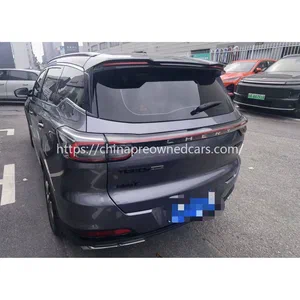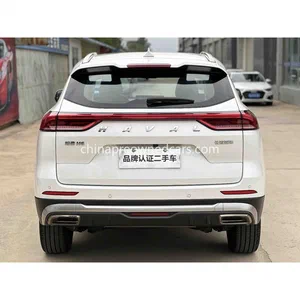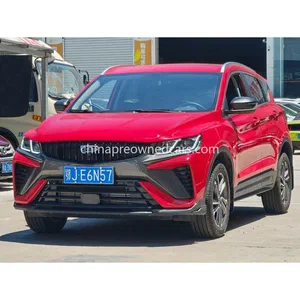
Before committing to a used SUV purchase from China, overseas buyers should verify the vehicle’s condition, ownership records, export documents and shipping arrangements. For shipments to West Africa, the choice between RoRo and container transport also affects freight costs, handling risks and destination-port procedures. A clear verification process helps buyers identify problems before payment and avoid delays after the vehicle leaves China.
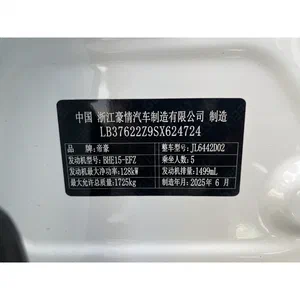
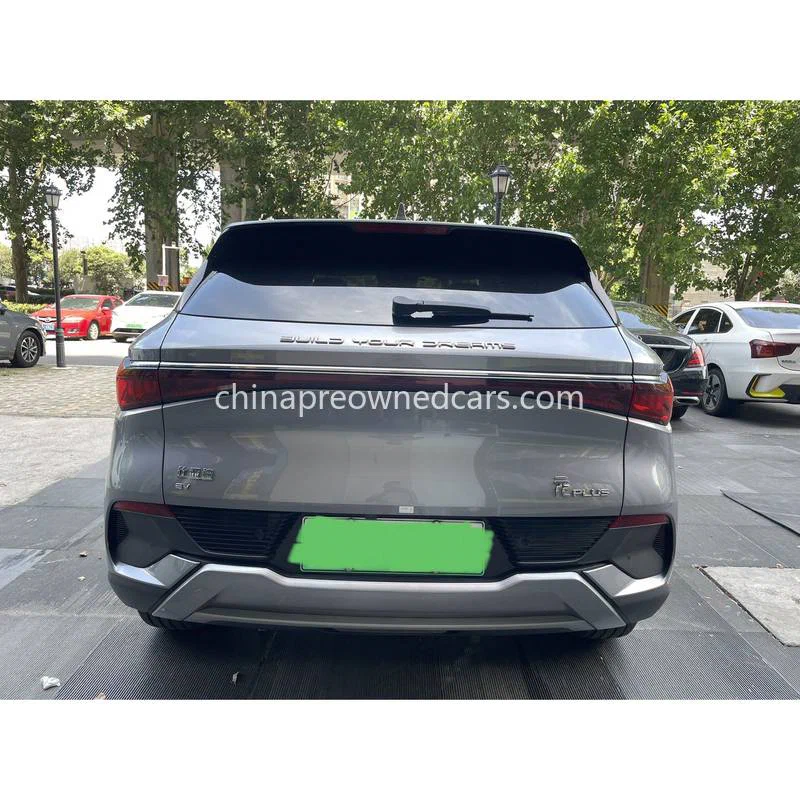
Mileage is an important starting point, but it should never be treated as proof of vehicle condition. Buyers should request the odometer reading, dashboard photographs and available service records, then compare the information with inspection findings. Inconsistent mileage records, unexplained gaps in maintenance history or signs of instrument replacement require further investigation. Accident history deserves equal attention. Ask for photographs of the exterior, underbody, engine compartment and interior, together with close-ups of repaired panels and areas showing corrosion. The vehicle identification number (VIN) should match the physical markings, registration records and export documentation. An independent inspection report should record paint condition, structural repairs, tyre wear, warning lights and mechanical operation. For a BYD Atto 3 or another electric vehicle, request battery state-of-health information, charging-system checks and diagnostic records. A displayed battery percentage is not a substitute for a proper assessment of battery capacity and condition.
The vehicle specification must also suit the destination market. China’s domestic market mainly uses left-hand-drive vehicles, including models such as the Chery Tiggo 7 Plus, Chery Tiggo 8 Pro, Geely Coolray and Haval H6. This configuration is generally more practical for Ghana, Nigeria, Kenya, Uganda and Tanzania than right-hand-drive sourcing, but buyers must confirm the applicable registration and import requirements before ordering. Vehicle age restrictions, emission standards, roadworthiness rules and import eligibility can differ between countries and may change. Buyers should check the latest requirements with their destination customs authority or a licensed clearing agent. Electric and hybrid vehicles need additional consideration. Battery condition, charging compatibility, access to replacement parts and local charging infrastructure all affect their suitability for the intended market. A model that performs well in China’s domestic market may require a different maintenance and charging plan overseas.
Exporter credibility should be assessed through documents and verifiable procedures rather than website claims. A serious supplier should explain how vehicles are sourced, inspected, transferred into export inventory and prepared for shipment. Request the vehicle inspection report, relevant ownership and registration records, export licence information, commercial invoice and packing list where applicable. Customs declaration and clearance documentation should also be available as the export process progresses. The VIN should remain consistent across the vehicle and its supporting records. Buyers can ask for a live video inspection or appoint an independent inspector before authorising shipment. Search results for buy used cars best site may identify different online suppliers, but a polished website alone does not establish export capability. Check whether the exporter can explain the shipping route, identify the responsible logistics parties and provide clear answers about documentation, payment milestones and dispute handling. Vague responses or pressure to transfer funds before vehicle verification are reasons to pause.
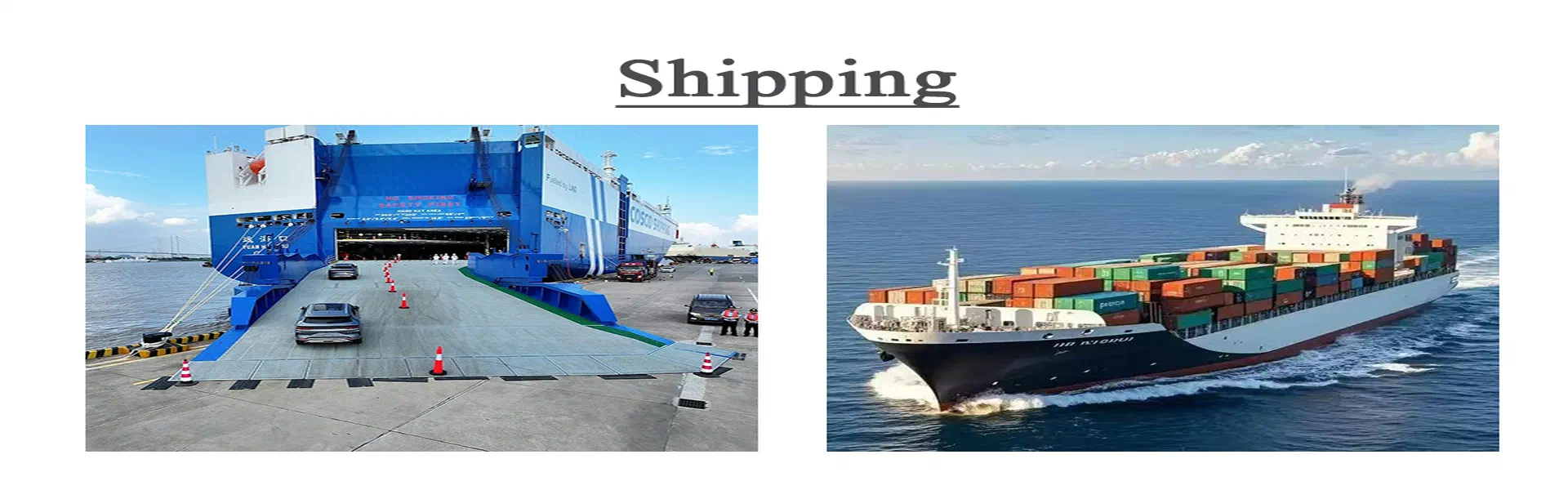
Shipping arrangements require a separate decision. RoRo transport involves driving the vehicle onto a specialised vessel and securing it for the voyage. It is often a practical option for operational vehicles and can have lower handling costs than container transport. However, the vehicle is exposed to more port and vessel handling, and buyers have less control over how it is positioned during transit. Container shipping places the vehicle inside a shipping container, offering additional protection from weather and some external handling risks. It can suit higher-value vehicles or shipments requiring more controlled loading arrangements. The trade-off is that loading, securing, container availability and handling charges can increase the total cost. Vehicle dimensions, condition, shipping-line acceptance and the number of vehicles being transported all influence the available options. Freight quotations should identify ocean freight, origin handling, documentation, loading charges and destination-related exclusions. Rates also depend on vessel schedules, fuel costs, port congestion and the selected route.
For West African shipments, buyers should request a written shipping schedule rather than relying on a general delivery estimate. Transit times from Chinese ports to West African destinations vary according to the departure port, vessel routing, transshipment arrangements and congestion at destination. Additional time may be required for export clearance, vessel waiting periods and discharge operations. Marine insurance should be discussed before loading. Buyers need to understand the insured value, covered risks, exclusions and claims procedure, particularly for damage discovered after arrival. Once the vehicle is loaded, the exporter or freight forwarder should provide the bill of lading or explain when the final document will be issued. This document records the shipment and is important for cargo release. At the destination port, the consignee or appointed clearing agent normally handles customs entry, duty assessment, payment of applicable charges and vehicle release. Port storage and demurrage can accumulate if original documents, customs declarations or payments are delayed. The buyer should therefore confirm who receives the shipping documents and who is responsible for each clearance stage before departure.
Payment terms should connect each transfer to a verifiable stage of the transaction. A typical arrangement may involve an initial deposit after vehicle selection and documentation review, followed by the balance under agreed conditions before shipment or release of shipping documents. The contract should specify the vehicle VIN, agreed specification, inspection scope, payment schedule, shipping method, insurance responsibility and procedures for handling discrepancies. Buyers should use traceable business payment channels and ensure the beneficiary matches the contracted exporter. Avoid transferring money to unrelated personal accounts without a documented explanation. Common problems include mileage discrepancies, incomplete export paperwork, unexpected destination charges, vessel schedule changes and misunderstandings over damage responsibility. These risks are easier to manage when inspection photographs, written quotations, invoices and shipping instructions are retained throughout the transaction. After-sales support should also be discussed before purchase, including access to diagnostic information, parts enquiries and technical assistance for electric or hybrid systems. Clear responsibility at each stage matters more than an informal promise of assistance after arrival.

FAQ
Q: Is RoRo or container shipping better for used SUVs from China to West Africa?
A: RoRo is often economical for operational vehicles, while container shipping offers additional protection from external handling and weather. The appropriate option depends on vehicle value, condition, loading requirements and the full freight quotation.
Q: What documents should a buyer request before a used SUV is shipped?
A: Request the inspection report, VIN and ownership records, export licence information, commercial invoice and relevant customs documentation. The bill of lading should be provided once the shipping process reaches the appropriate stage.
Q: How can buyers reduce the risk of unexpected costs at a West African port?
A: Obtain a written breakdown of freight, insurance, destination handling and clearance responsibilities before shipment. Confirm current import requirements and appoint a local clearing agent to check applicable duties, port charges and release procedures.