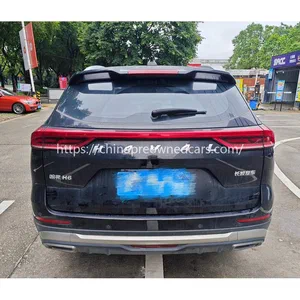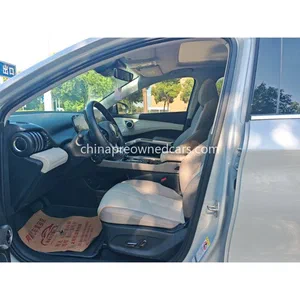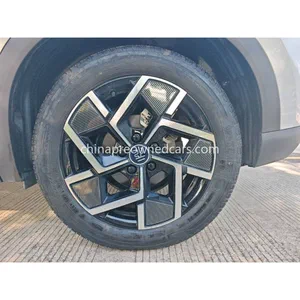
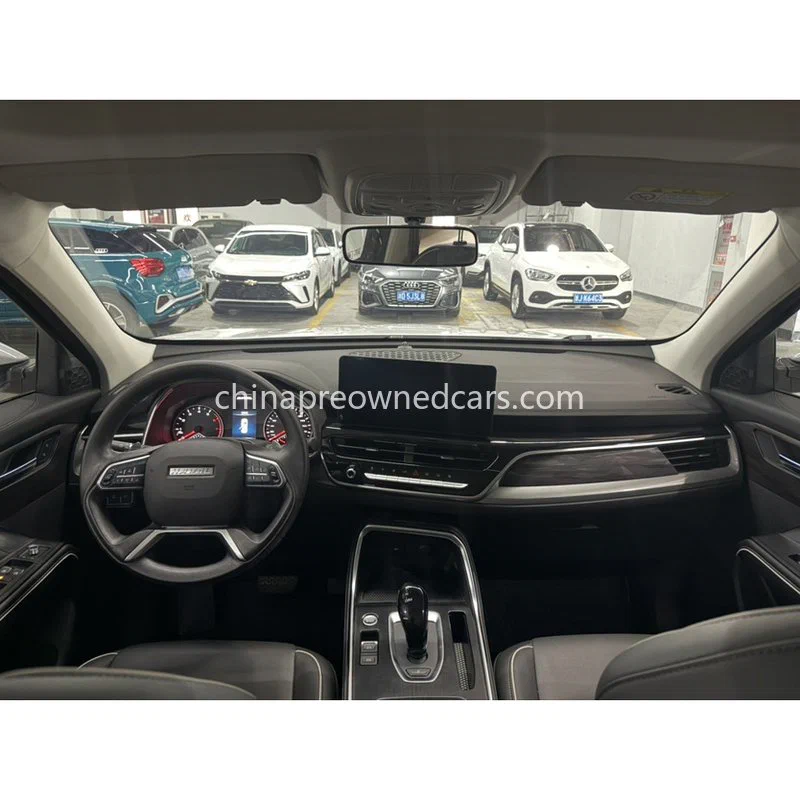
The Haval H6 is a mid-size SUV worth assessing for export buyers who need a petrol-powered family vehicle with practical cabin space and conventional refuelling. For shipments from China to West Africa, the decision involves more than the vehicle specification: drivetrain, left-hand drive configuration, used-vehicle condition and the choice of shipping method all affect its suitability and landed cost.
Haval H6 Specifications and Suitability for West African Buyers
The Haval H6 is available in different generations and powertrain configurations, so buyers should assess the exact vehicle rather than rely on the model name alone. Depending on production year and market specification, petrol versions may use turbocharged engines paired with automatic transmissions, while selected versions offer hybrid assistance. Engine displacement, transmission type, drivetrain and fuel consumption vary. A front-wheel-drive version may suit predominantly urban use, while an all-wheel-drive configuration can provide additional traction on rough or slippery roads. It should not, however, be treated as a substitute for a dedicated off-road vehicle.
For buyers in Ghana, Nigeria, Kenya, Uganda and Tanzania, the petrol H6 has a practical advantage over a fully electric SUV: it does not depend on access to charging facilities. Fuel consumption should be checked against the actual engine and transmission combination, particularly where the vehicle will operate in congested cities or travel regularly between towns. Hybrid versions require additional checks of the electrical system and battery condition. The Haval H6 should also be compared with other Chinese SUVs in the exporter’s range, including the Chery Tiggo 7 Plus, Chery Tiggo 8 Pro and Geely Coolray. Cabin dimensions, engine output and equipment levels differ, making direct specification comparisons more useful than brand-level assumptions.
Drive side requires particular attention. Most vehicles sourced from China’s domestic market are left-hand drive (LHD). Ghana, Nigeria, Kenya, Uganda and Tanzania use left-side road traffic, so buyers must establish whether an LHD vehicle is permitted under the current registration and import rules before committing to a purchase. Engine emissions and vehicle age are separate compliance questions. The relevant authorities may apply restrictions based on manufacturing year, emission classification, roadworthiness or inspection results. These requirements can change, and a vehicle that meets China’s domestic standards is not automatically eligible for import into a West African country.
Condition grading is equally important. A used Haval H6 should be assessed through its bodywork, chassis, engine, transmission, suspension, braking system and interior. A practical grading process distinguishes between minor cosmetic wear, visible repairs and defects affecting mechanical operation or structural integrity. Buyers should request dated photographs, a cold-start video, odometer evidence and a written inspection report. The VIN should match the registration and export documentation. For turbocharged petrol versions, inspect for oil leaks, abnormal exhaust smoke, cooling-system problems and inconsistent acceleration. Automatic transmission operation should be checked during both low-speed manoeuvres and road testing. Any accident repairs should be documented rather than treated as automatically disqualifying.
Shipping the Haval H6 from China to West Africa
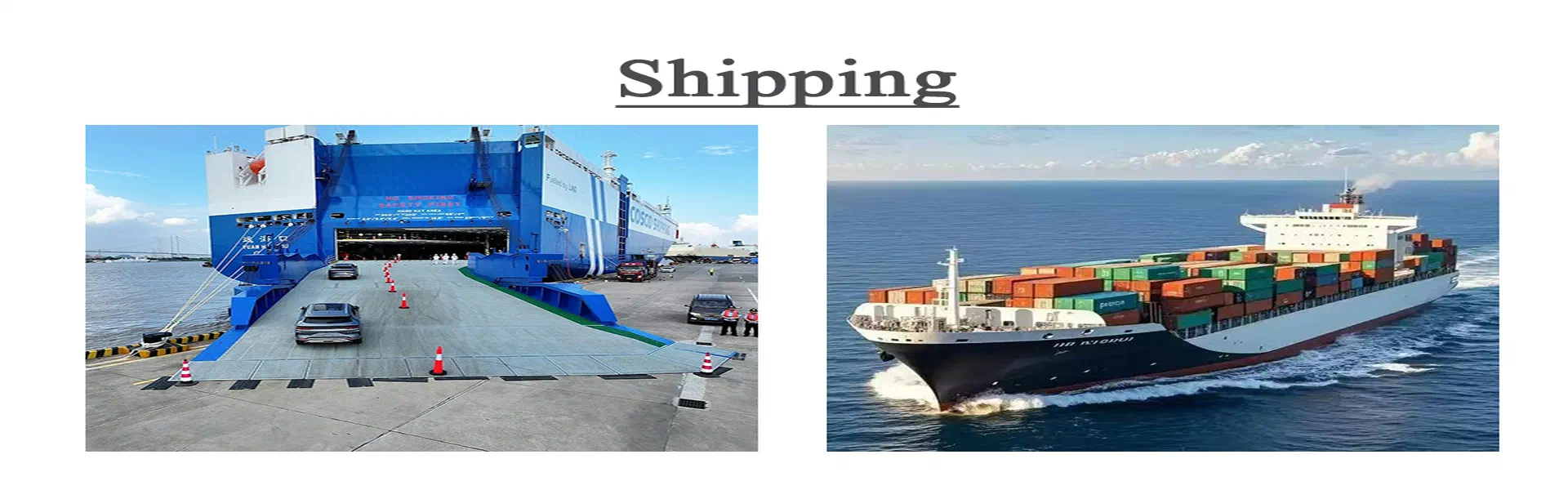
Once a vehicle has passed the buyer’s checks, shipping arrangements become a major part of the purchasing decision. RoRo (Roll-on/Roll-off) shipping is commonly considered for operable vehicles. The Haval H6 is driven onto a specialised vessel and secured in the vehicle deck. This method generally involves less loading work than container shipping and can be economical when suitable sailings are available. However, the vehicle is exposed to the vessel’s shared cargo environment, and personal belongings or loose accessories may be restricted. Buyers should confirm the carrier’s rules for vehicle condition, fuel level, keys and permitted equipment before booking.
Container shipping offers a different arrangement. The H6 is loaded into a container, secured with suitable restraints and transported as enclosed cargo. This provides protection from direct exposure to other vehicle-deck operations and can be preferable for higher-value units or shipments requiring additional cargo space. The trade-offs include container availability, loading and securing charges, equipment constraints and possible additional handling costs. Vehicle dimensions, container type, loading arrangements and whether the shipment is shared or dedicated all influence the final quotation. An improperly secured vehicle can still suffer damage during transport, so loading photographs and documented condition records are important.

Freight rates are not determined by the vehicle model alone. The quotation may include inland transport from the Chinese collection location, export handling, port charges, ocean freight, documentation and destination-related fees. Sailing availability, seasonal demand, fuel-related surcharges, container availability and the selected West African destination port also affect the total. Transit time depends on the departure port, shipping route, vessel schedule and transshipment arrangements. Buyers should request an estimated shipping window rather than treating a provisional schedule as a guaranteed arrival date. Marine cargo insurance should be discussed separately, including the insured value, covered risks, exclusions and claims procedure. A basic freight quotation does not necessarily include comprehensive insurance.
Export documentation needs to be prepared before departure. The Chinese exporter must arrange the applicable export licensing, customs declaration and pre-shipment inspection. The buyer should receive copies of the commercial invoice, vehicle identification details, inspection records and shipping documentation as applicable. The bill of lading is particularly important because it records the shipment and supports cargo release at the destination. Names, VIN details, consignee information and port details should be checked carefully. At arrival, the consignee or appointed clearing agent handles the destination customs process, submits the required import documents and arranges payment of applicable duties, taxes and port charges. The vehicle is released after the relevant clearance and carrier procedures are completed. Storage and demurrage charges may arise if documents or payments are delayed.
Before confirming a purchase through a used car sale sale enquiry, buyers should obtain a written breakdown separating the vehicle cost, export handling, ocean freight, insurance and destination charges. Payment milestones should be agreed in writing, with the inspection findings and shipping responsibilities clearly defined. Parts availability is another consideration: buyers should identify local workshops familiar with Haval vehicles and check access to compatible filters, brake components, suspension parts and electronic diagnostic equipment. Service coverage can vary between cities. A Haval H6 may be suitable for regular family and business transport, but its long-term operating cost depends on local maintenance support as much as the initial purchase. Exporters should also clarify what assistance they can provide after the vehicle reaches port, since shipping coordination does not automatically constitute a local warranty or repair service.
FAQ
Q: Is the Haval H6 suitable for export to Ghana and Nigeria?
A: It can be considered for both markets, subject to current import regulations, LHD acceptance, vehicle eligibility and destination inspection requirements.
Q: Is RoRo or container shipping better for a used Haval H6?
A: RoRo is often economical for operable vehicles, while container shipping offers enclosed transport and more controlled loading. The better option depends on freight quotations, vehicle condition and cargo requirements.
Q: What documents should buyers check before shipment?
A: Buyers should verify the commercial invoice, VIN details, export and customs documentation, pre-shipment inspection records and bill of lading arrangements. Destination-specific import documents should also be confirmed with a local clearing agent.