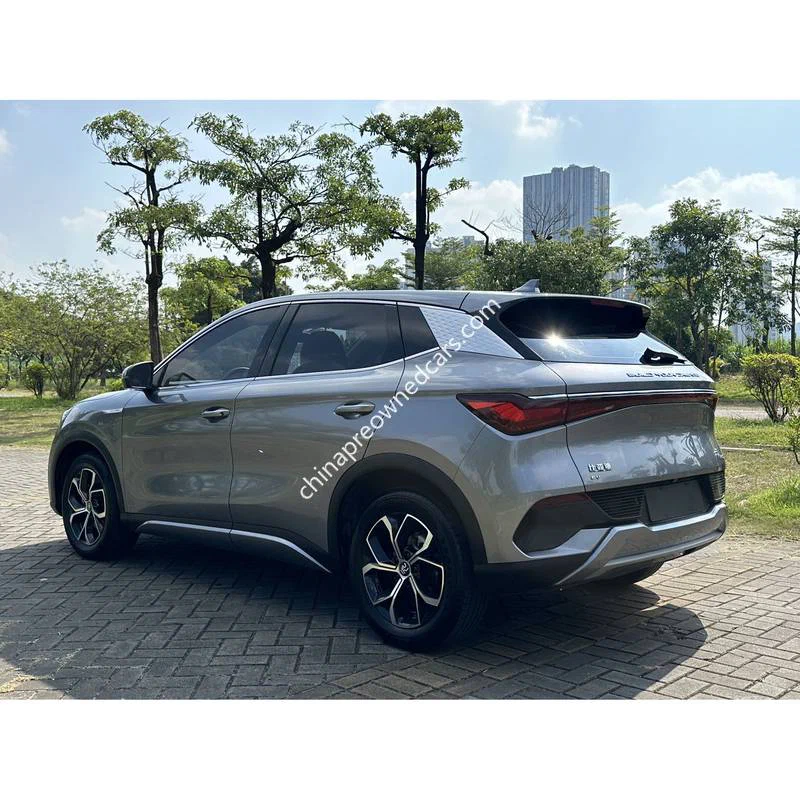
The BYD Atto 3 is a battery-electric SUV built on BYD’s dedicated electric vehicle platform, making it a relevant option for buyers sourcing used vehicles from China for West African markets. Its suitability for export depends on more than driving range: battery condition, charging compatibility, left-hand-drive configuration and shipping arrangements all affect the purchase decision. For importers in Ghana, Nigeria, Kenya, Uganda and Tanzania, these details should be checked before the vehicle leaves China.
The Atto 3 uses a single electric motor driving the front wheels, rather than a conventional petrol engine and transmission. Battery capacity and advertised driving range vary by model year and specification, with different versions offered in the Chinese domestic market. Buyers should request the exact battery capacity, motor output and rated range for the individual vehicle. Published range figures are not a guarantee of distance under local operating conditions. Air-conditioning use, passenger load, road gradients, driving speed and battery ageing can all reduce practical range. Unlike petrol SUVs such as the Chery Tiggo 7 Plus or Haval H6, the Atto 3 has no tailpipe emissions and does not require engine oil changes or routine exhaust-system maintenance. However, it depends on a functioning charging network and a suitable electricity supply.
Drivetrain configuration matters when assessing the vehicle for local roads. The Atto 3 is primarily a front-wheel-drive SUV, which suits ordinary urban commuting and paved intercity routes. It is not a four-wheel-drive off-road vehicle. Buyers operating in areas with rough access roads, deep sand or frequent muddy conditions should consider ground clearance, tyre condition and the limits of front-wheel drive before selecting it. The same assessment applies when comparing it with the Chery Tiggo 8 Pro, which serves a different requirement as a larger SUV. Most Chinese domestic-market Atto 3 units are left-hand drive. This configuration is compatible with the normal road arrangement in Ghana, Nigeria, Kenya, Uganda and Tanzania, but the destination’s current registration and import rules must still be confirmed. Emission-standard requirements also differ by country. Although a battery-electric vehicle has no conventional exhaust emissions, import authorities may apply separate rules to electric vehicles, vehicle age and documentation.
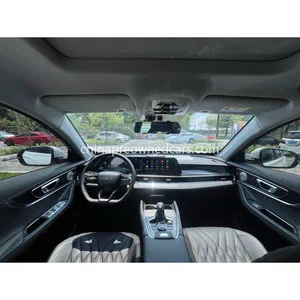
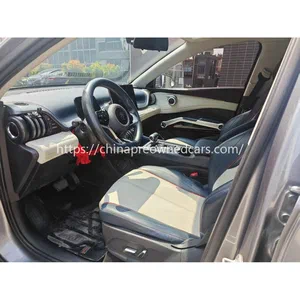
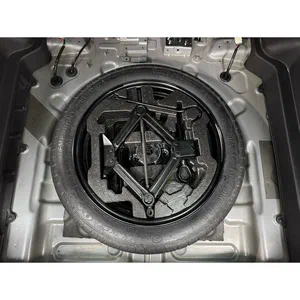
Used Atto 3 vehicles should be assessed according to their actual condition rather than their model name or advertised mileage. A practical grading process separates exterior and interior wear from mechanical and electrical condition. Grade A units generally show limited cosmetic wear, intact cabin fittings and no obvious structural damage. Grade B vehicles may have visible scratches, minor paint repairs or interior wear while remaining suitable for normal operation. Lower-condition units require closer scrutiny and may involve accident repairs, damaged components or substantial refurbishment. These descriptions are useful only when supported by inspection findings. For an electric SUV, the battery deserves particular attention. Request a battery state-of-health assessment, diagnostic fault records, charging history where available and confirmation that the high-voltage system operates correctly. Inspect the battery enclosure for impact damage, corrosion or evidence of previous repairs. The motor, inverter, cooling system, charging port, onboard electronics and regenerative braking should also be tested. VIN verification and service records help establish vehicle identity and maintenance history. Mileage alone cannot establish battery condition.

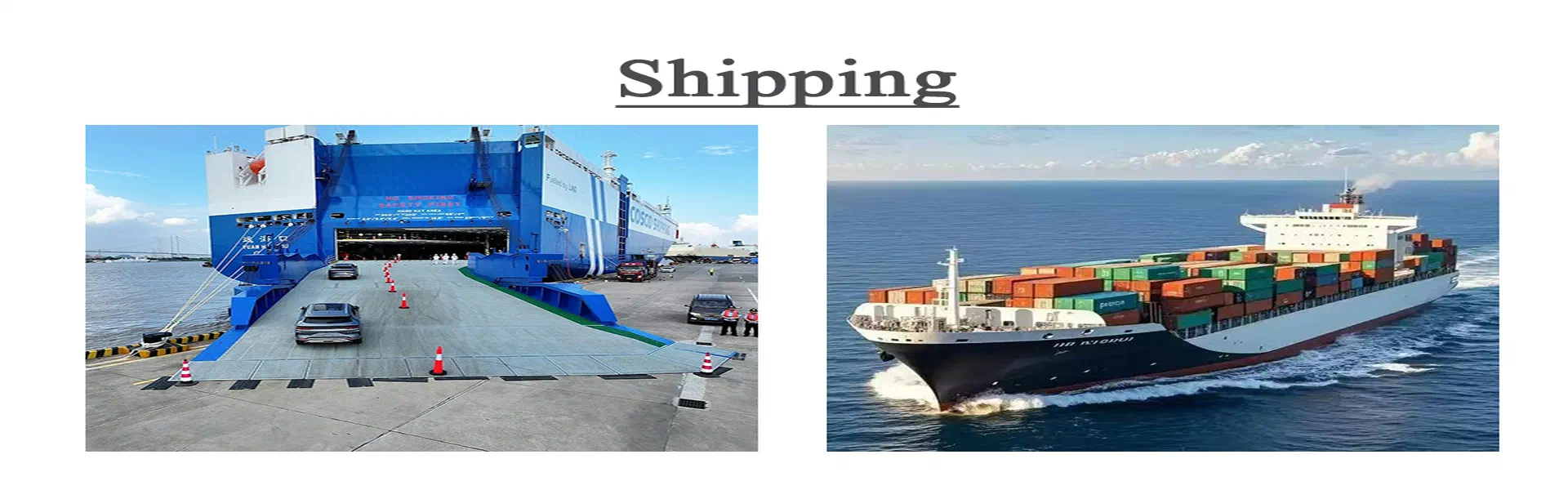
Shipping the Atto 3 from China to West Africa requires a decision between roll-on/roll-off (RoRo) and container freight. RoRo shipping involves driving the vehicle onto a specialised vessel and securing it in the vehicle deck. It is often the simpler option for standard running vehicles and can be economical when suitable sailings are available. However, the vehicle is exposed to shared vessel handling and must meet the carrier’s operating requirements. Container shipping places the SUV inside a secured freight container. It offers greater control over loading and can reduce exposure to handling damage and weather, although loading, securing and container charges increase the overall cost. Battery-electric vehicles also require carrier approval and compliance with applicable battery transport procedures. A non-running vehicle may not qualify for ordinary RoRo handling. Container loading must account for vehicle dimensions, clearance, securing points and safe handling of the high-voltage battery. The selected method should reflect the vehicle’s condition, carrier acceptance requirements and the buyer’s risk tolerance.
Freight quotations depend on more than the advertised ocean rate. Vehicle dimensions, departure port, destination port, shipping method, carrier availability, seasonal demand and additional handling charges all affect the final amount. For West African shipments, buyers commonly evaluate port options serving Ghana and Nigeria, while Kenya, Uganda and Tanzania require separate routing and destination arrangements. Transit time depends on the sailing schedule, transshipment arrangements and port congestion. A typical sea journey may take several weeks, but this should not be treated as a confirmed delivery estimate. Marine insurance should be discussed before loading, including the insured value, covered risks, exclusions and claims procedure. Buyers should also clarify whether the quotation includes inland transport in China, export handling, terminal charges, ocean freight and destination expenses. A quoted shipping rate is not necessarily the full landed cost. The price used car calculation should include purchase value, inspection, export processing, freight, insurance, customs duties, taxes and local port charges.
Export documentation and destination-port handling need equal attention. Chinese used vehicle exports require the appropriate export licensing, customs declaration and pre-shipment inspection before departure. The exporter should coordinate the commercial invoice, vehicle identification details, inspection documentation and shipping arrangements. Once the carrier accepts the vehicle, the bill of lading records the shipment and identifies the relevant transport parties and destination. Buyers should check the consignee details, vehicle description and destination port before the document is finalised. Depending on the shipping arrangement, the exporter may also provide the purchase contract, export declaration and other documents required by the importing authority. At the destination port, the importer or appointed clearing agent arranges document presentation, customs assessment, applicable duties and taxes, and release procedures. Storage and demurrage charges can arise when paperwork or payment is delayed. Importers in Ghana, Nigeria, Kenya, Uganda and Tanzania should confirm current vehicle age restrictions, electric vehicle import treatment, registration requirements and applicable taxes with local authorities before payment. After release, the vehicle may require local registration, roadworthiness checks and charging-system compatibility checks before entering service.
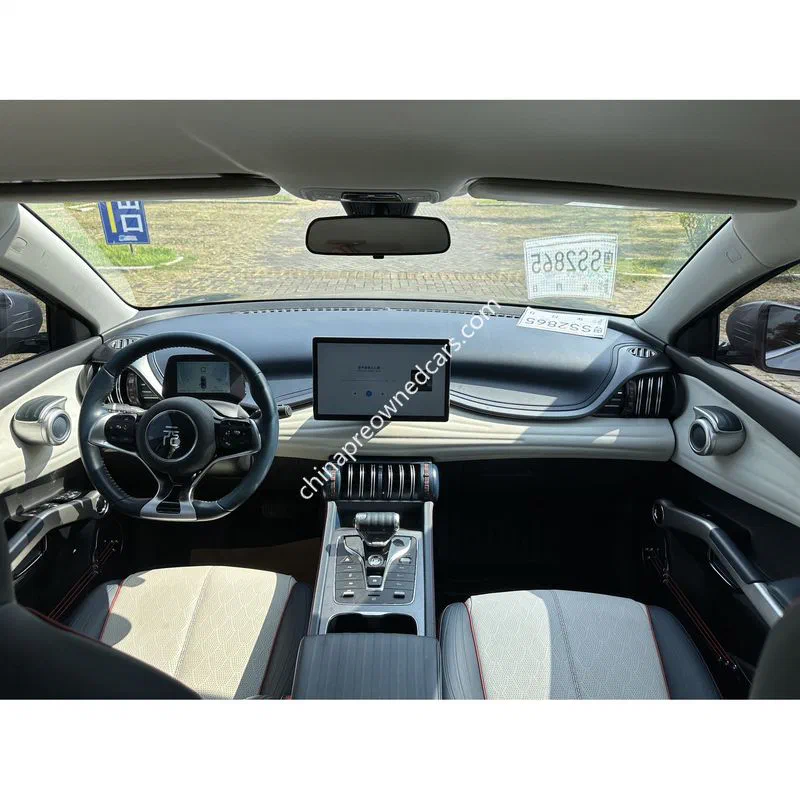
Before confirming an order, the buyer should request a vehicle-specific inspection report, clear photographs, VIN details, battery assessment and a written breakdown of export and shipping charges. Payment terms should identify the deposit, balance payment trigger, inspection arrangements and conditions for releasing shipping documents. The agreement should also state who bears the cost of repairs if the inspection identifies undisclosed damage. For electric vehicles, buyers should establish whether local workshops can diagnose BYD high-voltage systems and obtain suitable replacement parts. The availability of compatible charging equipment, connectors and technical support should be checked in the intended operating area. The Atto 3 may suit businesses with predictable daily routes and access to charging facilities, but fleet operators should calculate charging downtime and battery-related maintenance costs alongside the purchase price. Exporters can assist with sourcing, inspection, customs processing and shipping coordination; local servicing and warranty arrangements should be agreed separately rather than assumed to be included.
FAQ
Q: Is the BYD Atto 3 suitable for export to Ghana and Nigeria?
A: It can be considered for both markets because it is a left-hand-drive electric SUV. Buyers must confirm current import regulations, registration requirements and charging compatibility before shipment.
Q: Is RoRo or container shipping better for a used BYD Atto 3?
A: RoRo can be economical for a running vehicle accepted by the carrier. Container shipping provides more control over loading and protection but generally involves additional handling and freight costs.
Q: What should buyers check before purchasing a used BYD Atto 3 from China?
A: Request a battery state-of-health report, diagnostic scan, VIN verification, accident history and physical inspection. Confirm the vehicle specification, export documents, shipping insurance and destination import requirements before completing payment.