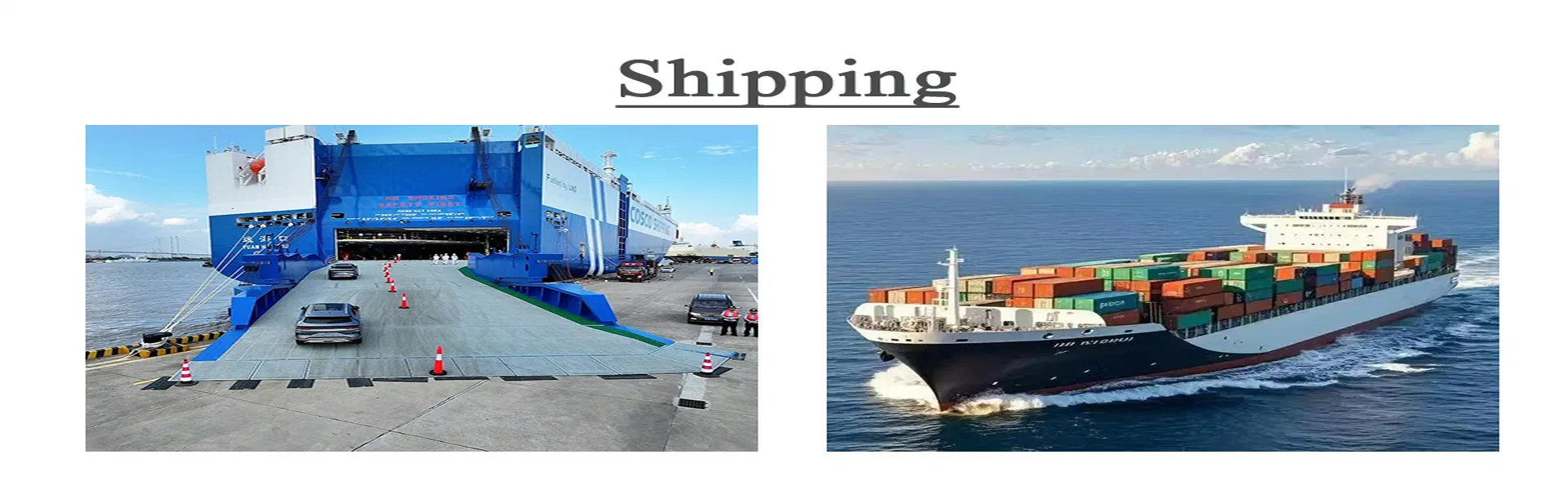

The voyage is the predictable part. What happens between the vessel berthing and your buyer driving away is where costs appear that were not in anyone’s quote.
Here is the sequence, and the two decisions that determine whether it is expensive.
The sequence
Vessel arrives and discharges. Your container or vehicle comes off and goes to a terminal or car park.
The clock starts. Free time at the terminal is limited. After it, storage and rent accrue daily. This is the meter that punishes unfinished paperwork.
Declaration and assessment. Your agent lodges the declaration. Customs assesses duty against its own valuation of the vehicle — in Ghana, through ICUMS, from the chassis number or VIN plus make, model and year.
Examination. For used vehicles, physical examination is normal rather than exceptional. Ghana levies an examination fee on CIF, applied only to used vehicles.
Payment. Duty and all accompanying levies.
Release and delivery. Then inland transport, registration and plates.
The single most useful thing you can do
Pay Ghana duty before the vehicle arrives.
GRA states that once a consignee holds the Title and the Bill of Lading, duty can be paid before the vehicle reaches the port. Duty can also be estimated in advance through ICUMS using the VIN, and GRA publishes a Used Vehicle Duty Calculator.
Do this and arrival becomes a verification exercise rather than a payment exercise conducted while storage accrues. It is the difference between a clearance that takes days and one that takes weeks, and it costs nothing but sequencing.
The costs beyond duty
Ghana Revenue Authority itemises third-party charges separately from duty, and they belong in your landed-cost model:
- Local shipping line charges paid to the carrier
- Terminal handling charges
- Safe-bond terminal handling and rent while the vehicle sits, where used
- Trade number plate at GH₵154
- Clearing agent fees
Nigeria adds its own port charges through the Nigerian Ports Authority tariff schedule, which is published and which your agent should be quoting from rather than estimating.
Where delays actually come from
Almost never a disputed tax rate. Almost always one of these:

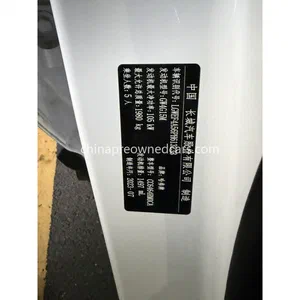
A VIN mismatch across documents. Ghana’s system assesses from the VIN, so a transposed character stops the assessment. Check the VIN on the invoice against the bill of lading against the title, character by character, before anything sails.
Consignee name wrong on the bill of lading. Amending a bill of lading means going back to the carrier, and that takes days you are paying storage for.
Missing title or de-registration paperwork. No proof of lawful export, no clearance.
Valuation disagreement. If Customs values the vehicle above your declaration, you are assessed on their figure. A clean, well-documented file on a legitimately priced car is easier to defend than a suspiciously cheap invoice.
From October 2026, one more failure mode
Ghana’s incoming standard adds a category of problem that cannot be fixed at the port at all.
From 1 October 2026, used vehicles that are flood-damaged, fire-damaged, structurally damaged in the chassis or safety cage, assembled from spare parts, without a kilometre-per-hour speedometer, or over fifteen years old are prohibited from importation. Each unit needs a Certificate of Conformance issued in the country of origin by a GSA-approved third-party body before shipment, and vehicles that do not meet the requirements will not be permitted entry on arrival.
A car that fails on arrival under those rules is not a delay. It is a vehicle on the wrong continent with no clearance path. Which is precisely why the certificate is required before shipment — the system is designed so that failures happen in China, where they are recoverable.
Registration afterwards
In Ghana, vehicle registration runs through the Driver and Vehicle Licensing Authority, which publishes its services and its fees and charges schedule. Budget it as a line item rather than an afterthought, particularly if you are delivering a registered vehicle to a retail buyer rather than handing a cleared car to a dealer.
Common questions
Q: Can I pay import duty before the car arrives in Ghana? A: Yes, with the Title and Bill of Lading in hand. It is the single most effective way to shorten clearance.
Q: What causes most clearance delays? A: Documentary mismatches, especially VIN errors and wrong consignee names, followed by valuation disputes.
Q: What are the extra costs beyond duty? A: Shipping line charges, terminal handling, storage or safe-bond rent, agent fees, a GH₵154 trade plate in Ghana, and inland transport.
Q: What happens if a car is refused entry from October 2026? A: There is no clearance path for a prohibited category. This is why the Certificate of Conformance must be obtained in the country of origin before shipment.