The value of a quality used car depends on its verified condition, mileage, service history, model demand and the cost of getting it to the destination market. For overseas buyers, shipping arrangements also affect the final purchase value, particularly when comparing RoRo and container transport from China to West Africa.
Vehicle Value and Shipping Costs
A vehicle’s purchase price is only one part of its export value. Freight charges, port handling, marine insurance, customs clearance and destination fees all contribute to the total landed cost. A vehicle that appears competitively priced in China may become a less attractive purchase if its shipping requirements are expensive or its dimensions create loading constraints.

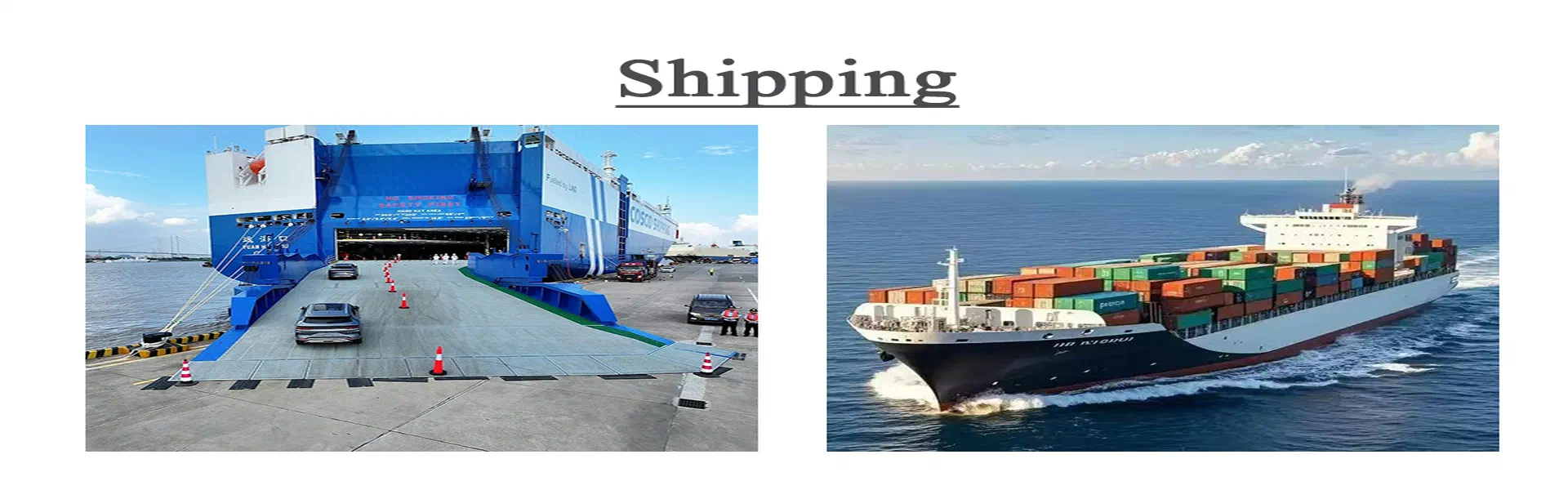
RoRo (Roll-on/Roll-off) shipping is commonly used for vehicles that can be driven onto and off a vessel. Cars are secured in designated vehicle decks, making this option relatively straightforward for standard passenger vehicles and SUVs. It generally costs less than container shipping when suitable sailings are available. However, vehicles share vessel space with other cargo, and access during transit is restricted. Buyers should also consider exposure to handling risks during loading and unloading.
Container shipping offers a different set of trade-offs. A vehicle is loaded into a shipping container and secured for the voyage. This provides a more enclosed transport environment, reducing exposure to weather and some external handling risks. Container transport can also suit buyers shipping multiple vehicles or combining vehicles with other permitted cargo. The disadvantages include loading and securing costs, container availability and restrictions on vehicle dimensions. Loading equipment and clearance space must be considered before booking.
Freight rates depend on several variables. These include the vehicle’s dimensions, shipping route, vessel availability, fuel-related charges, port congestion and seasonal demand. Container rates also reflect container type, equipment availability and loading arrangements. A quotation should identify which charges are included and which remain payable separately. Buyers should distinguish ocean freight from origin handling, documentation fees, terminal charges and destination port costs. Comparing quotations on the same basis gives a more accurate picture of the total expense.
Shipping to West African Ports
For shipments from China to Ghana, Nigeria, Kenya, Uganda and Tanzania, route selection determines the available port and onward transport arrangements. West African shipments commonly involve destination ports such as Tema in Ghana and Lagos-area ports in Nigeria. Transit times vary according to the vessel schedule, transshipment arrangements, routing and port congestion. Direct services, where available, may have different schedules from services involving an intermediate port. Buyers should request an estimated transit window rather than treating a quoted sailing schedule as a guaranteed arrival date.
Marine insurance deserves attention regardless of the shipping method. Ocean freight does not automatically mean that every possible loss or damage event is covered. Buyers should review the insured value, exclusions, deductibles and claims procedure before the vehicle leaves China. The policy should clearly identify the vehicle and the insured voyage. Photographs taken before loading, together with the pre-shipment inspection record, provide useful evidence if a condition dispute arises. For container shipments, loading photographs and securing records are also relevant. For RoRo shipments, the handover condition should be documented before the vehicle enters the shipping process.
Export documentation must be prepared before departure. Chinese used vehicle exports require the appropriate export licensing, customs declaration and pre-shipment inspection. The exporter coordinates the required paperwork and shipping arrangements, while the buyer should confirm the documents needed for import clearance in the destination country. These commonly include the commercial invoice, export documentation, vehicle identification details and shipping records. The bill of lading is particularly important because it records the shipment and serves as a key transport document for cargo release. Its consignee and notify-party details should be checked carefully before issuance. Errors can delay document processing and collection at the destination port.
At the destination, the consignee or appointed clearing agent uses the shipping documents to arrange cargo release. Customs authorities may assess the vehicle under applicable import rules, including valuation, duties, taxes, vehicle age restrictions, emission requirements and roadworthiness conditions. These rules differ between Ghana and Nigeria and should be checked against current official requirements before purchase. Port handling, storage and demurrage charges may arise if clearance is delayed. Once customs and terminal procedures are completed, the vehicle can be collected or transferred to its onward destination. Buyers should arrange a clearing agent in advance rather than waiting until the vessel arrives.
FAQ
Q: Is RoRo or container shipping better for used SUVs from China?
A: RoRo is generally more economical for standard vehicles, while container shipping provides an enclosed environment and may suit multiple-vehicle shipments. The best option depends on vehicle dimensions, budget, available sailings and insurance arrangements.
Q: What documents are needed to receive a used car at a West African port?
A: Buyers generally need the commercial invoice, bill of lading and relevant export and import documentation. Exact requirements vary by destination, so the clearing agent should confirm the current customs and vehicle import rules before shipment.