Pre-owned vehicle prices for export are influenced by several factors, including vehicle condition, market demand, and shipping logistics. Understanding these elements is crucial for buyers looking to import used vehicles from China to their respective markets, particularly in West Africa.
Vehicle Condition and Specifications
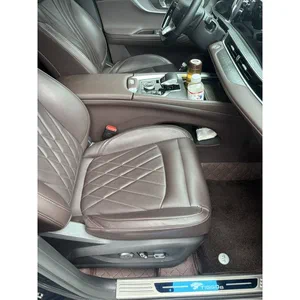
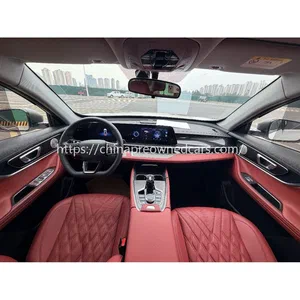
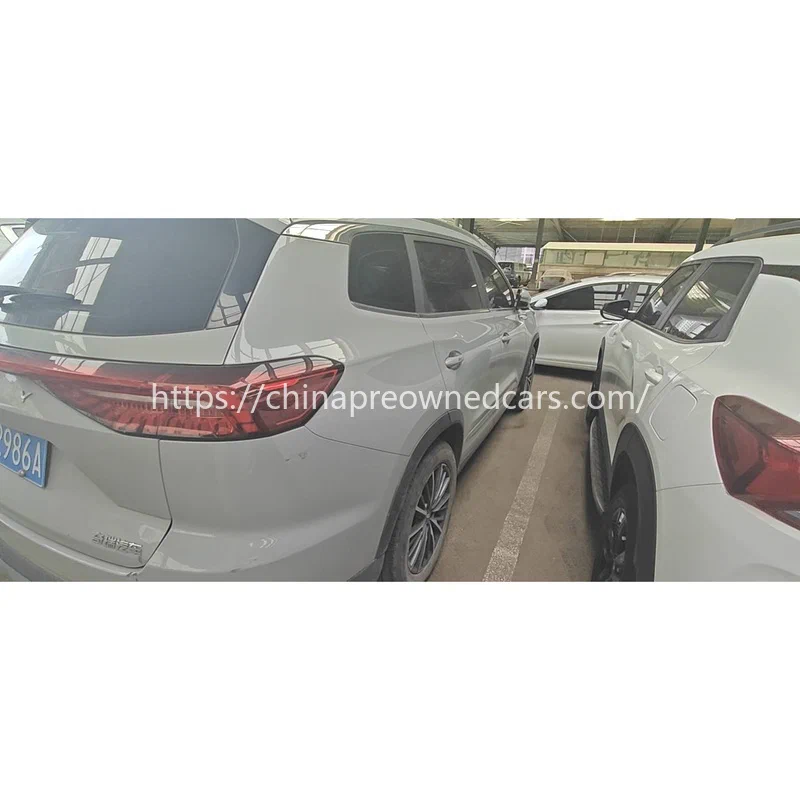
The grading of used vehicles is a significant determinant of their price. Buyers should expect a diverse range of conditions, from excellent to satisfactory, which directly affects pricing. Key specifications that buyers should consider include mileage, age, and service history. Vehicles such as the BYD Atto 3 and the Chery Tiggo 8 Pro, for instance, may command higher prices due to their reputation for reliability and performance. Conducting a thorough quality assessment and verifying the VIN are essential steps to ensure that the vehicle meets the desired standards.
Shipping Logistics: RoRo vs. Container
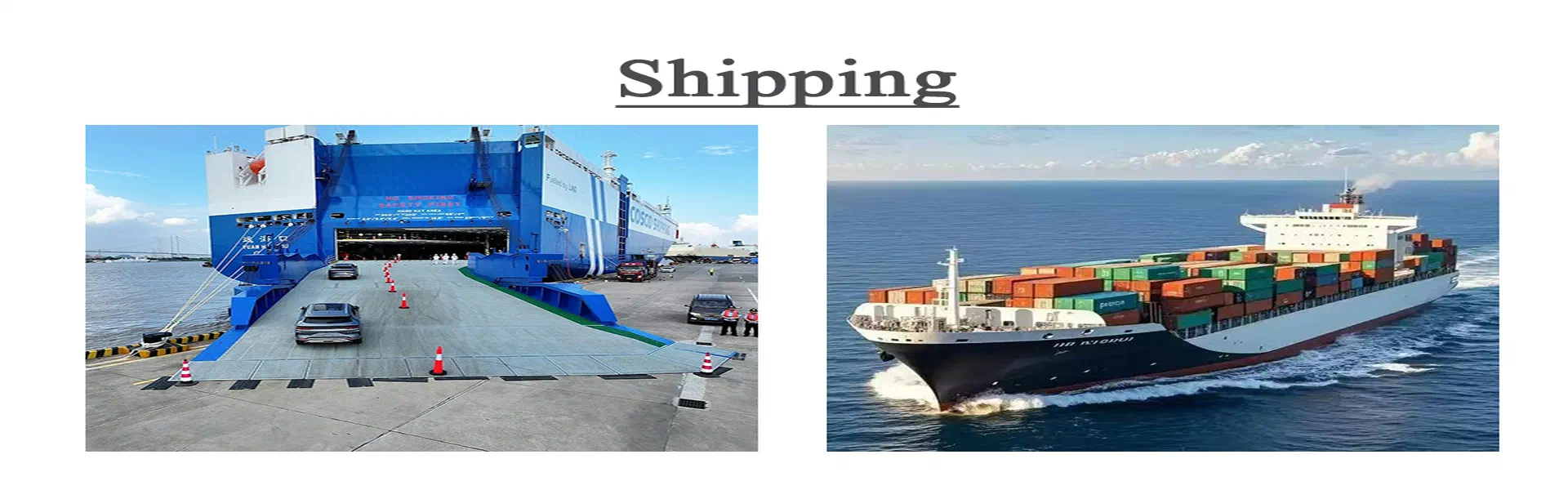
Shipping logistics play a vital role in determining overall costs. Two primary methods are commonly used for transporting vehicles: Roll-on/Roll-off (RoRo) and container shipping. RoRo is often more cost-effective, allowing vehicles to be driven directly onto the ship. However, it carries a higher risk of damage due to exposure during transit. Container shipping, while generally more expensive, offers better protection against environmental factors and potential theft. Buyers should weigh these options carefully based on their budget and risk tolerance.
Freight Rates and Transit Times

Freight rates fluctuate based on several factors, including shipping method, fuel prices, and demand. For West African ports such as those in Ghana or Nigeria, transit times can vary, typically ranging from 15 to 25 days from departure to arrival. Buyers should factor in these lead times when planning their purchases and ensure they have the necessary funds available for payment upon arrival. Marine insurance is also advisable to mitigate potential losses during transit.
Customs Clearance and Documentation
Upon arrival at the destination port, customs clearance is a critical step requiring comprehensive documentation. This includes the bill of lading, export license, and any necessary import permits. Buyers should familiarize themselves with the specific import regulations of their country, as these can differ significantly across West African markets. Ensuring that all documentation is accurate and complete can help avoid delays or additional charges during the customs process.
Market-Specific Requirements
Each target market has unique requirements that influence vehicle eligibility for import. Most of the vehicles in the current inventory are left-hand drive, which is suitable for most West African countries. However, buyers should confirm local regulations regarding emission standards and vehicle age limits. These regulations can change, so it is advisable to consult with local authorities or an experienced customs broker to ensure compliance.
Practical Buyer Guidance
Before finalizing a purchase, buyers should conduct a pre-purchase inspection to verify the vehicle’s condition and specifications. Payment terms may vary by exporter, but a secure payment method is crucial. After-sales support is another important consideration, as it can provide peace of mind for buyers regarding potential future issues with their vehicles. Establishing a good relationship with the exporter can facilitate smoother transactions and after-sales service.
FAQ
Q: What factors affect the price of pre-owned vehicles for export?
A: Key factors include vehicle condition, specifications, shipping logistics, and market demand.
Q: How should I prepare for customs clearance upon arrival?
A: Ensure you have all necessary documentation, including the bill of lading and import permits, and familiarize yourself with local import regulations.