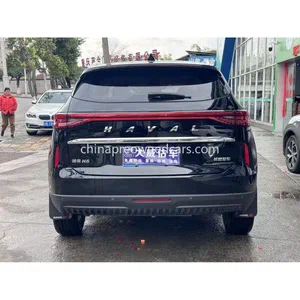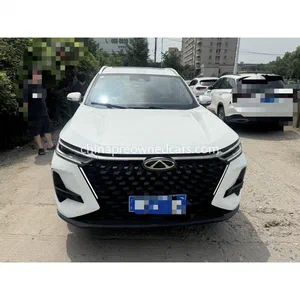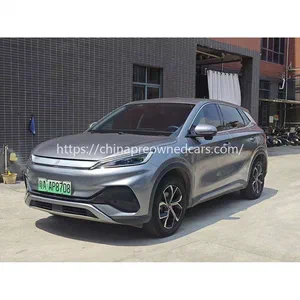
The BYD Atto 3 is a battery-electric SUV whose export suitability depends on more than its advertised range. This guide covers its specification, used-vehicle checks, left-hand-drive implications, and shipping options from China to West African destinations.
Vehicle specification and condition
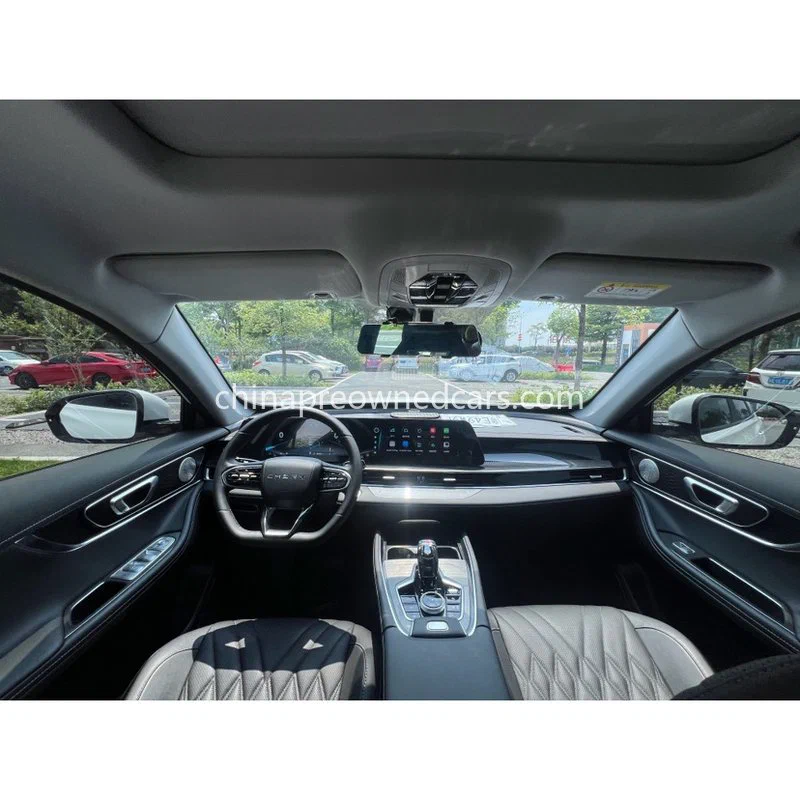
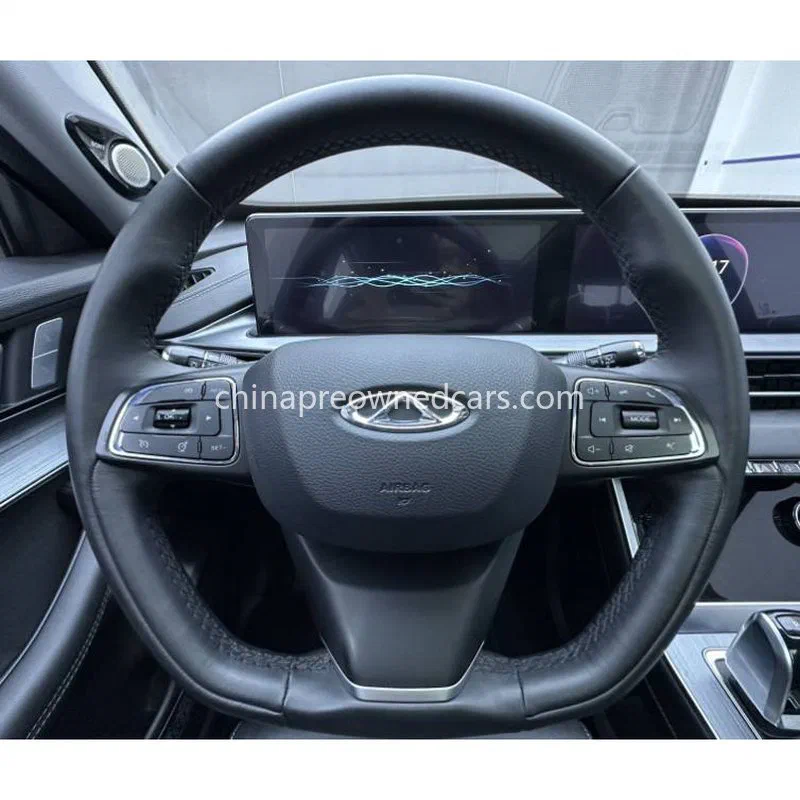
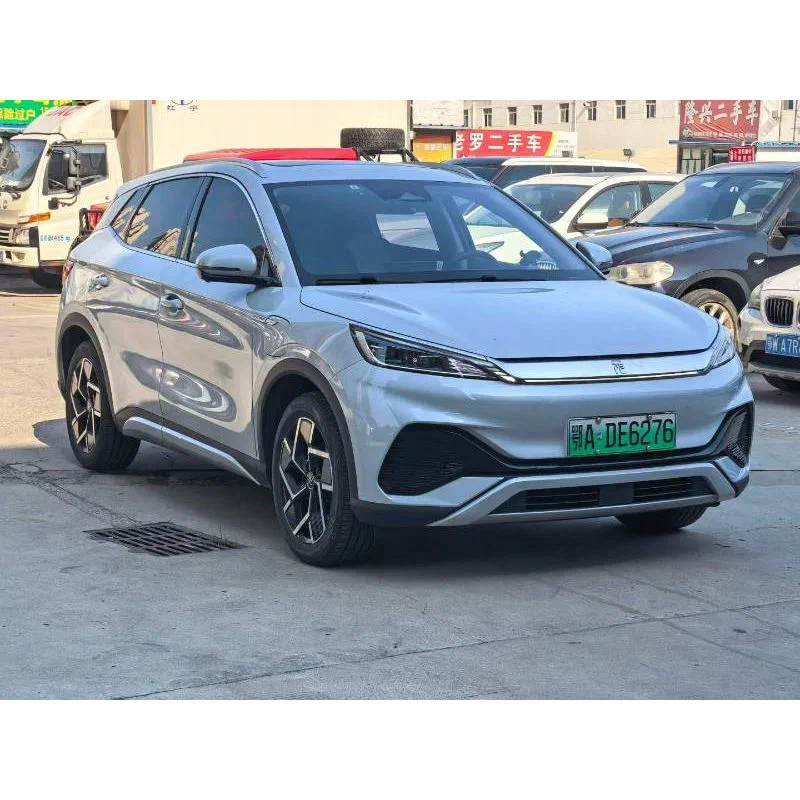
The Atto 3 uses a fully electric powertrain with a single motor and front-wheel drive. Exact battery capacity, motor output, charging equipment, and driving range vary by model year and trim, so the sales specification should be matched to the vehicle identification number and factory record. It produces no tailpipe emissions, but the buyer still needs to confirm whether the destination accepts the relevant vehicle type, charging standard, and battery configuration. Most Chinese domestic-market units are left-hand drive. That is generally more compatible with Ghana and Nigeria than with purely right-hand-drive markets, but the current rule in each destination must be confirmed before purchase.
Range figures are laboratory results, not a guarantee of distance in local use. Heat, traffic, road speed, tyre condition, air-conditioning use, and battery age all affect consumption. A pre-shipment inspection should record the displayed state of charge, charging response, dashboard warnings, tyre condition, brake operation, and underbody damage. Battery state of health requires separate evidence, such as a diagnostic report showing usable capacity and fault codes. A short road test can identify steering, suspension, regenerative braking, and thermal-management problems that a static inspection may miss.
A certified pre owned car for sale should come with clear evidence of what “certified” means. In export transactions, the term may refer to an exporter’s inspection process rather than a manufacturer-backed programme that is transferable overseas. The buyer should request dated photographs, the VIN, maintenance records, ownership history, accident disclosures, and the grading criteria used. A practical grading system normally separates near-original vehicles from units with documented repairs or visible cosmetic defects. Mileage should be checked against service records and electronic data, not accepted from the dashboard alone.
Shipping the Atto 3 to West Africa
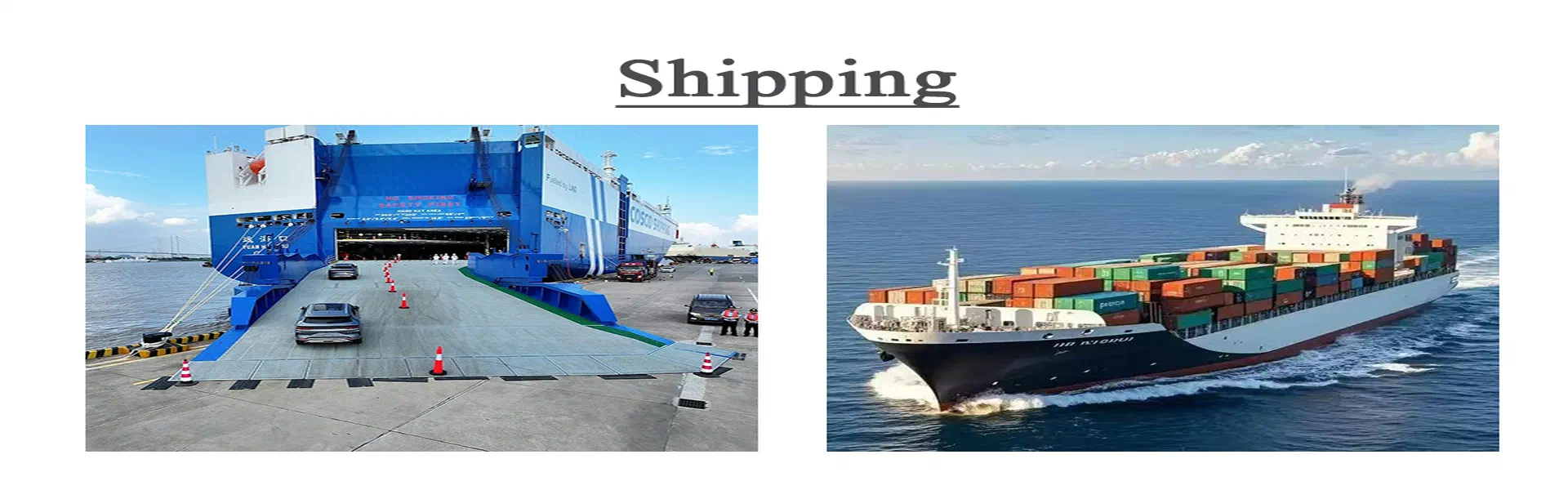
For a single running vehicle, RoRo shipping is often the simpler loading method. The Atto 3 is driven onto the vessel, secured in a vehicle deck, and unloaded at the destination port. This can reduce handling and packing work, although sailing schedules may be less frequent and access to personal items inside the vehicle is restricted. The car must normally meet the carrier’s requirements for battery charge, keys, fuel or hazardous materials, and operating condition. An EV that cannot move under its own power may face extra handling charges or be refused for standard RoRo loading.

Container shipping suits vehicles that need stronger protection from weather, handling exposure, or port delays. It also allows a non-running unit to be loaded with suitable equipment, subject to the carrier’s rules. The trade-off is higher preparation cost, limited container dimensions, and possible charges for loading, lashing, inspection, and unpacking. A single Atto 3 may use a dedicated container, while compatible vehicles can sometimes be consolidated under an authorised arrangement. Improper securing creates movement and body damage risk, so the loading plan and photographs should be retained.
Freight rates to West Africa are affected by vehicle dimensions, shipping method, departure port, sailing schedule, seasonal demand, port charges, insurance, and whether the quotation is port-to-port or includes inland transport in China. Transit is usually measured in weeks rather than days, and the shipping line’s schedule should be treated as an estimate because transshipment, congestion, weather, and customs holds can change arrival timing. Marine insurance should be considered separately from cargo liability. The policy needs to identify the vehicle, insured value, voyage, exclusions, and claims procedure.
Documents and destination handling
China’s used vehicle export process requires an export licence, customs declaration, and pre-shipment inspection. The exporter should provide the commercial invoice, packing or vehicle details where applicable, inspection documents, and the bill of lading after shipment. The bill of lading records the shipper, consignee, vessel movement, and cargo description; errors in the VIN, consignee name, or destination can delay release. Payment terms should link instalments to verifiable milestones, such as vehicle identification, inspection approval, and shipping-document release, rather than relying only on a verbal promise.
At the West African destination, the consignee or appointed clearing agent handles port procedures, customs assessment, storage, terminal charges, and delivery arrangements. Ghana and Nigeria apply their own rules on vehicle age, emissions, left-hand drive, valuation, duties, and roadworthiness, and these requirements can change. The same applies when vehicles are later moved to Kenya, Uganda, or Tanzania. Before shipment, the importer should confirm the current rules, required documents, charging access, and whether an EV battery inspection or additional declaration is needed. After arrival, local support should include charging guidance, replacement parts planning, and access to technicians familiar with high-voltage systems.

FAQ
Q: Is the BYD Atto 3 suitable for export to Ghana or Nigeria?
A: It can be suitable where the destination accepts the vehicle’s age, emissions classification, left-hand-drive layout, and EV requirements. Importers should confirm current regulations and local charging conditions before committing.
Q: Which is better for shipping an Atto 3, RoRo or a container?
A: RoRo is often simpler for a running vehicle and may involve less loading work. A container offers more control and protection but requires careful securing and can cost more.
Q: What battery information should a buyer request?
A: Request a diagnostic report showing battery state of health, usable capacity, fault codes, and charging performance. The report should be linked to the vehicle’s VIN and supported by inspection photographs or test records.