Worked for a second
Ghana-bound used vehicles need to be assessed as import cargo, not simply as second-hand cars. The key checks cover vehicle specification, local road conditions, import compliance, and the shipping plan from China to a West African port. Freight method can also change the landed cost and the risk profile.
Check the Vehicle Before Booking Freight
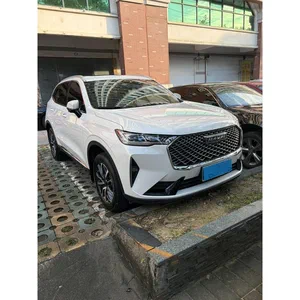
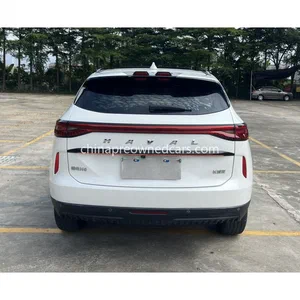
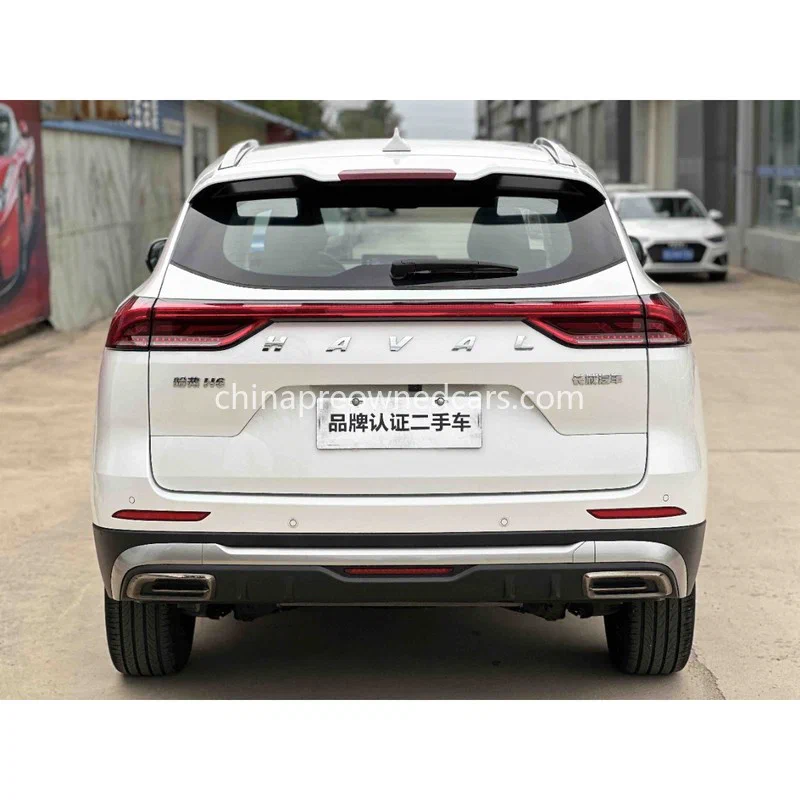
Drive side is an early screening point. Most Chinese domestic-market vehicles are left-hand drive, including models such as the BYD Atto 3, Chery Tiggo 7 Plus, Chery Tiggo 8 Pro, Geely Coolray, and Haval H6. Ghana operates with right-hand traffic, so LHD vehicles are generally compatible with the road system. Buyers should still confirm the configuration from the VIN and inspection records rather than relying on a listing description.
Vehicle age, emissions compliance, roadworthiness, and import eligibility should be checked against Ghana’s current rules before purchase. These requirements can change, and customs treatment may depend on the vehicle specification and declared value. The same applies to import duties and related charges: an exporter can prepare commercial and shipping documents, but the importer should confirm the current assessment with the relevant Ghanaian authorities or customs agent.
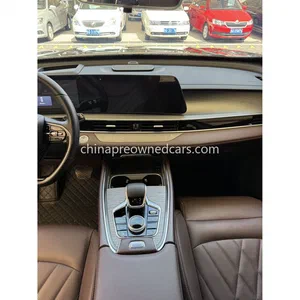
Condition deserves the same attention. A pre-shipment inspection should verify body panels, glass, tires, lights, brakes, underbody condition, interior, warning indicators, and the vehicle identification number. For an electric model, the inspection should also include battery state of health, charging operation, battery-related fault codes, and available battery documentation. These checks are especially important because used EVs have transport and battery considerations that conventional petrol vehicles do not.
RoRo or Container: Choose the Freight Method Carefully
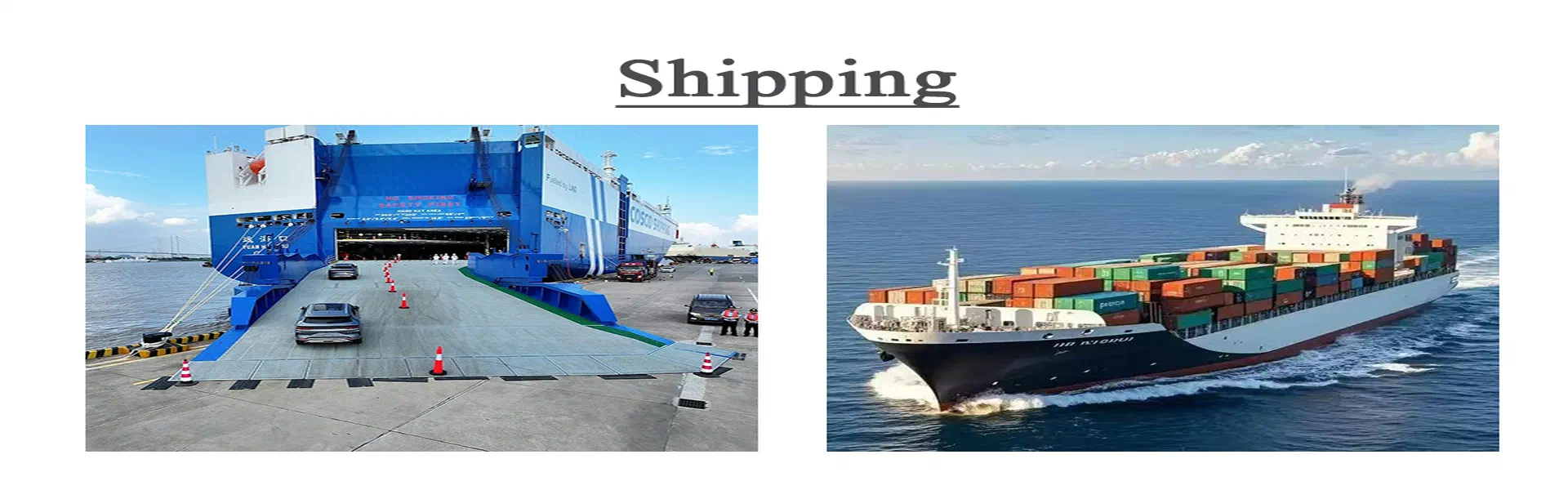
RoRo shipping is often practical when the vehicle is operable and can be driven onto the vessel. It normally involves less loading work than container shipping, but the vehicle travels in a shared vehicle deck environment and has less control over how it is positioned relative to other cargo. Container shipping offers more physical separation and can suit vehicles that need protected loading or consolidation with other cargo, but container dimensions impose loading constraints and securing must be handled correctly.
Freight rates are not determined by the vehicle price alone. Factors include the Chinese loading port, destination port, vessel schedule, vehicle dimensions, shipping method, seasonal demand, and whether the quotation covers port handling or other local charges. Transit time to West Africa also varies with the sailing schedule and transshipment arrangements, so a shipment should be planned around a range rather than a promised fixed arrival date. Marine insurance should be considered separately, with coverage and exclusions confirmed before the vehicle is loaded.
At destination, the bill of lading is a central shipping document used to identify the cargo and support the release process. The importer or appointed clearing agent normally handles destination customs procedures, port charges, inspection requirements where applicable, and vehicle release. Before shipment, the commercial invoice, packing or vehicle details, export documentation, bill of lading information, and other required papers should be checked for consistency. For buyers comparing exporters, questions to ask buy used car should include who prepares each document, who pays which port-side charges, and what happens if customs requires clarification.
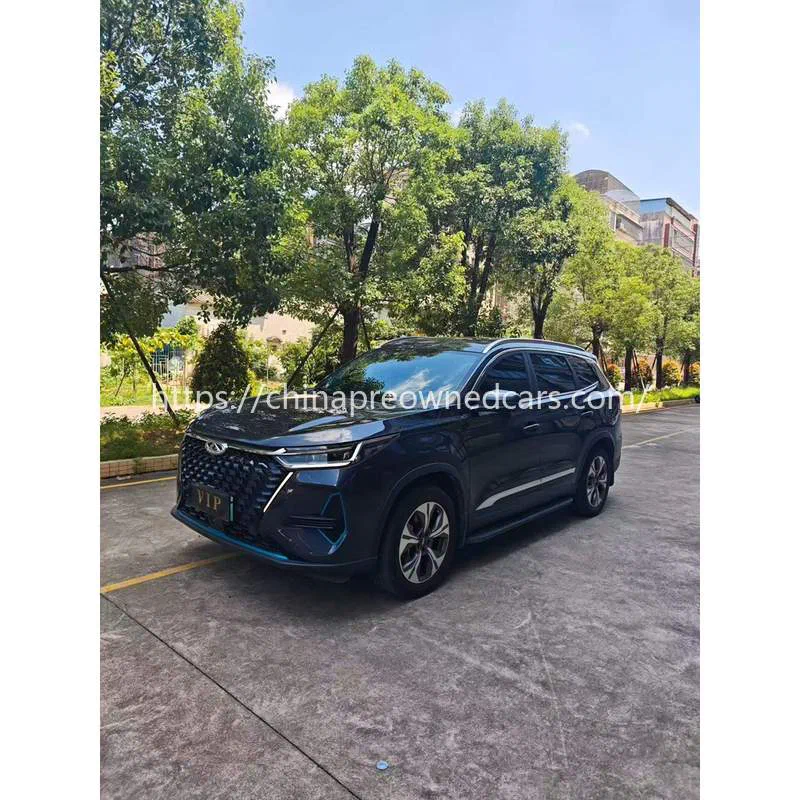
The final selection should match Ghanaian operating conditions as well as the shipping method. SUVs such as the Haval H6, Chery Tiggo 7 Plus, and Chery Tiggo 8 Pro may suit buyers seeking additional ground clearance and cabin space, but actual suitability still depends on condition, drivetrain, tire specification, and intended use. The BYD Atto 3 brings a different set of checks because charging access matters after arrival; buyers should confirm available charging options, connector compatibility, electrical supply, and local service capability before committing to a used EV. Hybrid and combustion models also require consideration of fuel availability and maintenance support. A sound export transaction therefore starts with the destination requirements, verifies the exact vehicle, then selects the freight method and documentation route around those facts.

FAQ
Q: Is RoRo always cheaper than container shipping for Ghana? A: Not necessarily. The final freight cost depends on port, vessel schedule, vehicle dimensions, loading arrangements, and included charges, so comparable quotations should be requested on the same basis.
Q: What should a Ghana buyer verify before a used car leaves China? A: Verify the VIN, vehicle condition, mileage and history records, drive configuration, applicable Ghana import requirements, inspection report, shipping documents, insurance terms, and the agreed destination-port charges.