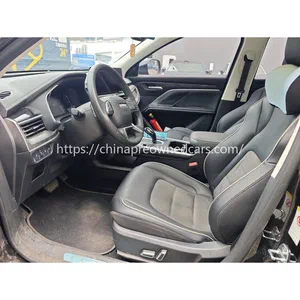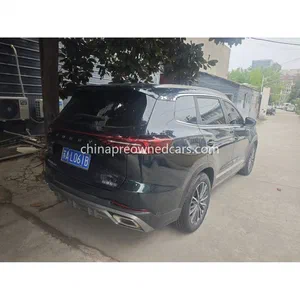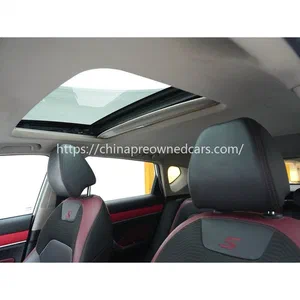
Exporting used electric and hybrid vehicles from China to West Africa requires more than checking the odometer and bodywork. Auto dealers used cars buyers must assess battery health, charging compatibility, shipping arrangements and destination import requirements before committing to a purchase. These checks affect the vehicle’s resale value and the totalExporting used electric cars from China to West Africa requires more than checking the vehicle’s purchase price and mileage. Auto dealers used cars buyers should assess battery health, charging compatibility, shipping arrangements, and destination import requirements before committing to a shipment. These checks help establish whether an electric or hybrid vehicle can be sold and operated economically after arrival.
Battery state of health (SOH) is a key factor in evaluating a used electric vehicle. It indicates the battery’s remaining capacity relative to its original capacity, although testing cost of getting it through the destination port.
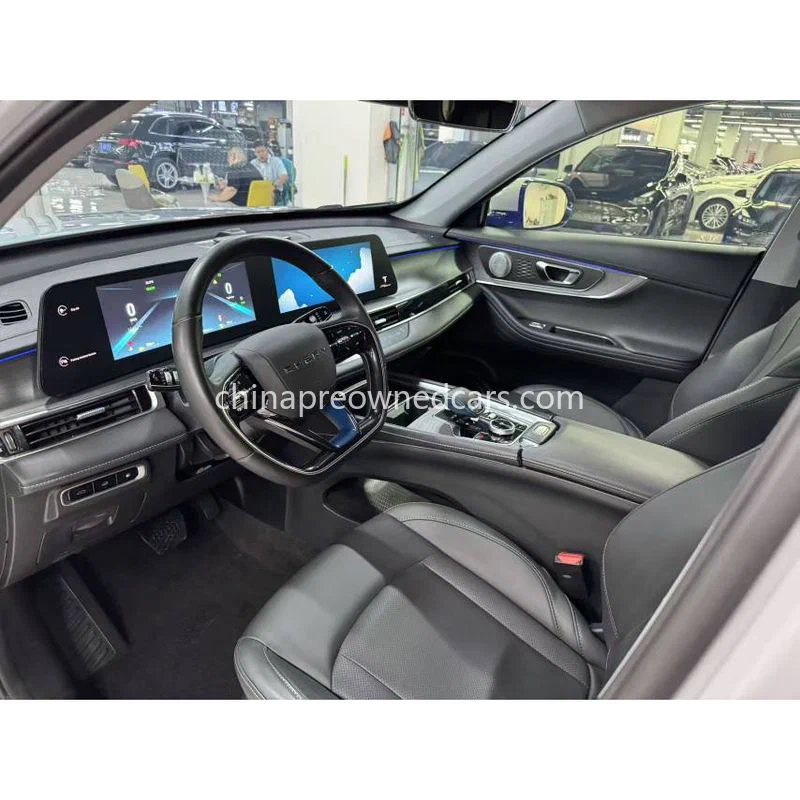
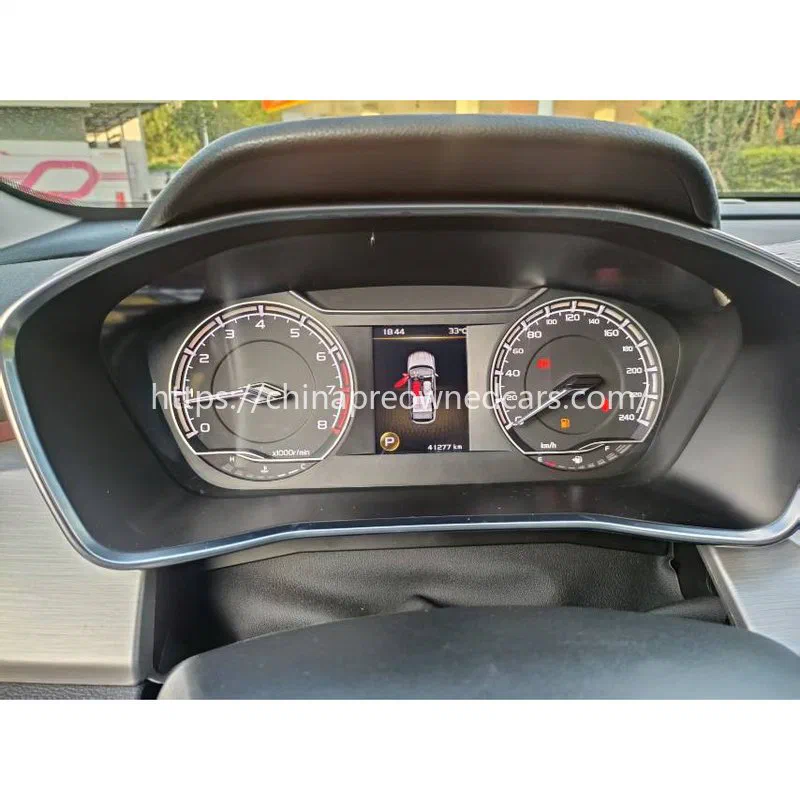
Battery state of health (SOH) is a key measure when evaluating a used electric vehicle. Unlike mileage, which indicates distance travelled, SOH estimates the battery’s remaining capacity relative to its original condition. Buyers should request a diagnostic report showing battery capacity, fault codes and any available charging history. An independent inspection can help establish whether the reported figures reflect the vehicle’s actual condition. The report should identify the assessment method and test conditions. A dashboard range estimate alone is insufficient because temperature, driving style, tyre condition and previous usage can all affect the displayed figure. Battery degradation reduces usable range and can narrow the methods and reported results can differ. Buyers should request a diagnostic report, confirm how the assessment was performed, and compare the findings pool of resale customers. For a hybrid, the inspection should also cover the combustion engine, transmission and hybrid battery system.
Charging compatibility requires equal attention. Chinese-market vehicles may use GB/T connectors, while CCS and CHAdeMO are found in other charging networks. Compatibility depends on the vehicle’s exact specification and the chargers available in its with the vehicle’s displayed range. Charging history, battery temperature exposure, fault records, and signs of previous repairs can provide additional context. A high odometer reading does not automatically mean poor battery condition, just as low mileage does not guarantee a healthy pack. For models such as the BYD Atto 3, the battery report should be considered alongside service records intended market. Buyers should confirm the connector type, AC and DC charging capability, supported charging power and whether any approved adapter is available. An adapter should not be assumed to solve every compatibility issue. Public charging infrastructure and electricity reliability also influence the vehicle’s practical appeal in Ghana, Nigeria, Kenya, Uganda and Tanzania. A vehicle with strong battery health may still be difficult to and a physical inspection. Range matters commercially: a vehicle that delivers substantially less distance per charge than expected may attract a lower resale value, particularly where public charging remains limited.
Charging compatibility requires equal attention. Chinese domestic-market vehicles may use GB/T connectors, while CCS resell if local customers cannot charge it conveniently. Check the availability of compatible public chargers, home-charging options and qualified technicians before selecting a model.
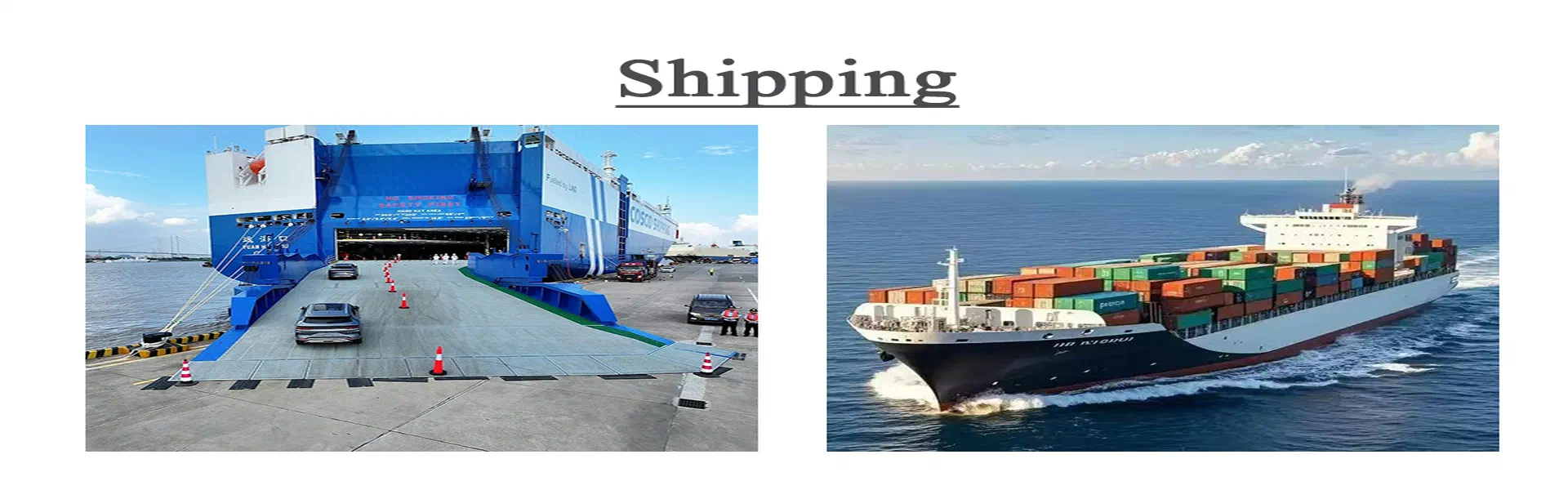
Shipping arrangements determine how the vehicle reaches West Africa and what risks arise in transit. RoRo shipping is generally suitable for vehicles that can be driven or safely moved onto a vessel. It avoids the need to load each vehicle into a container, but access to the vehicle during transit is limited, and and CHAdeMO are found in different vehicle markets and charging networks. Acceptance varies by country, charger operator, and vehicle configuration; a connector adapter should not be assumed to resolve every compatibility issue. Dealers supplying Ghana, Nigeria, Kenya, Uganda, or Tanzania should verify the exact inlet fitted to each vehicle and check the charging options available to its intended customers. Confirm whether the car supports AC charging, DC fast charging, and the local electrical supply requirements. Hybrid vehicles have different operating needs: plug-in hybrids port handling can expose the exterior to incidental damage. Container shipping offers greater control over vehicle positioning and can provide protection from some external exposure. However, loading requires suitable equipment, secure lashing and careful management of clearance and weight limits. A container may also involve additional handling and preparation costs. require compatible charging to deliver their intended electric-driving benefits, while conventional hybrids do not depend on external charging. Battery transport also affects planning. Lithium-ion batteries are subject to dangerous-goods requirements, including applicable provisions under UN 3480 or UN 3481, depending on how the battery is shipped. The carrier must determine the correct classification, documentation, packaging, and handling requirements.
Shipping method affects both landed cost and vehicle risk. RoRo services carry operable vehicles onto a vessel and are often suitable for standard export units, provided the carrier accepts the vehicle and its battery configuration. The vehicle is exposed to Freight quotations depend on vehicle dimensions, route, vessel availability, fuel-related surcharges, port charges and seasonal demand. Transit times to West African ports vary by sailing schedule, transshipment and congestion; buyers should obtain a current estimate for the specific route rather than rely on a general timetable.

Battery transport rules must be settled before booking. Lithium-ion batteries are subject to dangerous-goods requirements, and the applicable classification depends on the shipment and battery condition. UN 3480 generally covers lithium-ion batteries shipped on their own, port handling and the voyage environment, and personal or loose accessories may face restrictions. Container shipping offers greater control over loading and can accommodate vehicles that need additional protection, but securing the vehicle, arranging loading, and meeting container weight and dimension limits add complexity. Battery condition, charge while UN 3481 covers lithium-ion batteries contained in or packed with equipment. A vehicle containing its installed battery is not automatically treated as a standalone battery shipment. The carrier or freight forwarder must confirm the applicable classification, documentation, packaging and acceptance conditions. Buyers should also arrange marine insurance and check its exclusions, declared value requirements and claims procedure. Before departure, verify the export licence, customs declaration, pre-shipment inspection records and vehicle identification details. The bill of lading should accurately record the shipment, consignee and destination port. At arrival, the importer or appointed agent handles level, and dangerous-goods classification may affect carrier acceptance under either method. Freight quotations should be compared on the same basis: origin handling, export clearance, ocean freight, terminal charges, documentation, insurance, and destination fees should be identified separately. Rates vary with vessel schedules, container availability local clearance, duties, taxes, port charges and collection. Confirm the destination’s current vehicle-age, emissions, roadworthiness and drive-side rules before payment. Most Chinese domestic vehicles are left-hand drive, which may restrict their suitability in right-hand-drive markets.
FAQ
Q: Is RoRo or container shipping better for used electric cars?
A, fuel-related surcharges, route conditions, and port congestion. Transit to West African ports depends on the departure port, service route, transshipment, and sailing schedule; a quoted sailing time is not the same as the total time from purchase to release.
Before shipment, the exporter must complete the applicable Chinese export licensing, customs declaration, and pre-shipment inspection procedures. The buyer should check that the VIN matches across the vehicle, invoice, inspection records, and export documents. The commercial invoice, packing list: RoRo is often practical for standard vehicles, while container shipping offers more control over loading and separation from other cargo. The better option depends on the vehicle’s condition, dimensions, carrier requirements, insurance and total landed cost.
Q: What documents should buyers check before a used EV leaves China?
A: Confirm the export licence, customs declaration, pre-shipment inspection documentation, vehicle identification details and applicable battery transport paperwork. Review the bill of lading after shipment and verify that the destination importer can meet local clearance requirements.
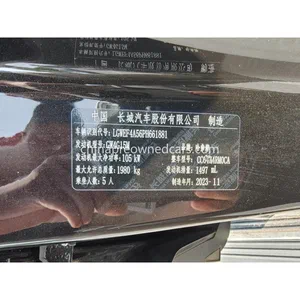
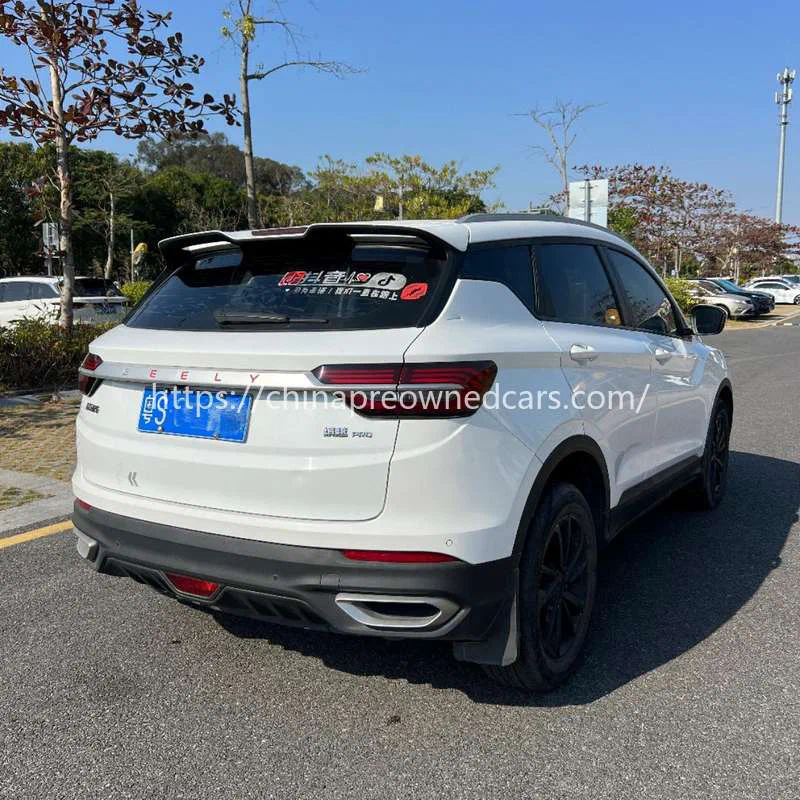
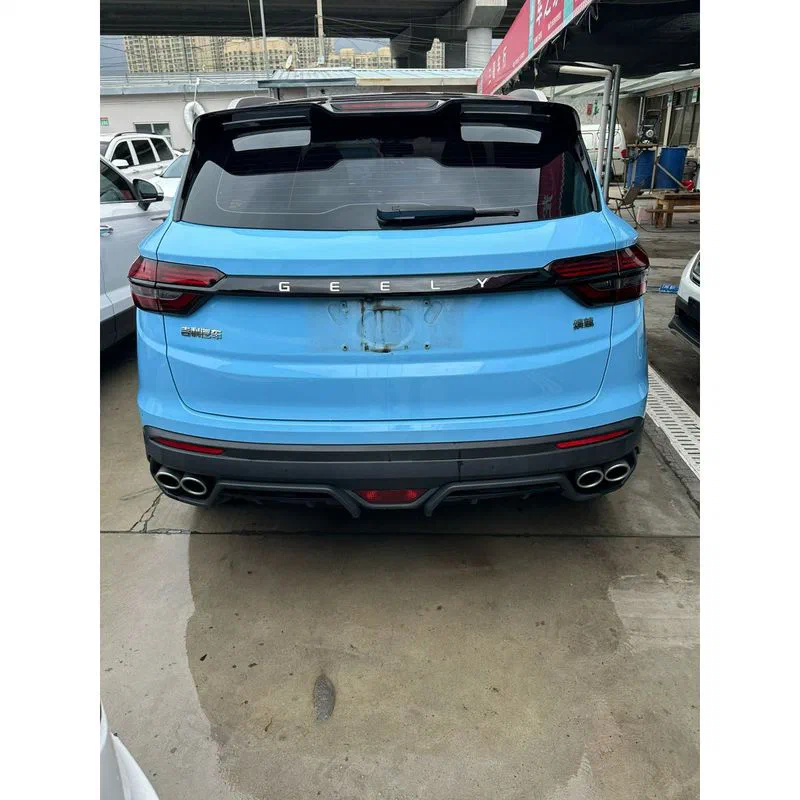
A practical sourcing decision combines technical evidence with a complete landed-cost estimate. Request dated photographs, a cold-start or system-status video where relevant, diagnostic records, service history, and details of known repairs. Confirm whether the vehicle is fully operational and whether its charging equipment is included. The BYD Atto 3 is a fully electric SUV, while models such as the Chery Tiggo 7 Plus, Chery Tiggo 8 Pro, Geely Coolray, and Haval H6 may have different powertrain configurations by trim and market; verify the exact specification rather than relying on the model name alone. Compare the purchase price with freight, insurance, destination charges, taxes, inspection costs, and likely battery-related maintenance. Agree in writing on payment milestones, document delivery, responsibility for port charges, and the process for resolving discrepancies. A clear inspection scope and written shipping terms give dealers a firmer basis for assessing resale margins.
FAQ
Q: Can a used electric car with a GB/T charging port be exported to Ghana?
A: It may be suitable, but the buyer should verify local charging compatibility and available charging infrastructure before purchase. Confirm the vehicle’s exact connector and whether an approved charging solution is practical.
Q: Is container shipping safer than RoRo for used electric vehicles?
A: Container shipping can provide additional protection from exposure and allow controlled securing, but it involves loading constraints and additional handling costs. The best option depends on carrier acceptance, battery transport requirements, vehicle condition, and the total delivered cost.
TAGS: electric suv, battery health, roro shipping
DESCRIPTION: Check battery health, charging compatibility, dangerous-goods rules, and shipping logistics before exporting used electric cars from China to West Africa.
KEYWORDS: used electric cars from China to Ghana, electric vehicle battery health inspection, RoRo vs container shipping for electric cars