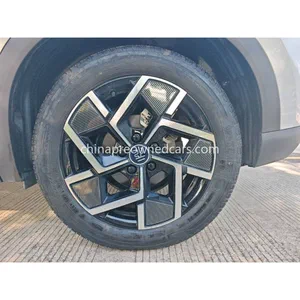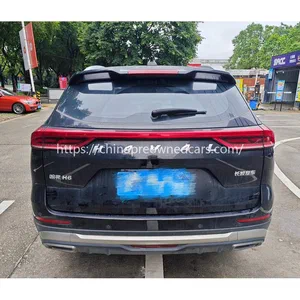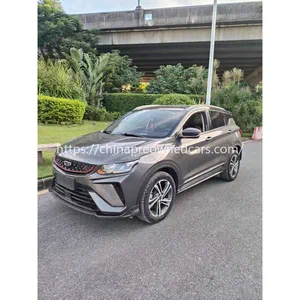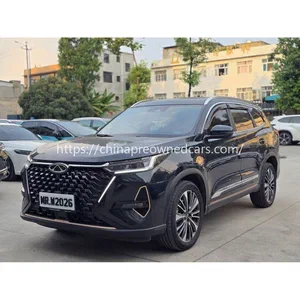
Buying a used or pre-owned vehicle for export from China requires more than checking the odometer and comparing purchase prices. Overseas buyers need to verify the vehicle’s identity, service records, mechanical condition and, for electric vehicles, battery health, while confirming that export documents and shipping arrangements meet the requirements of the destination port. For shipments to Ghana, Nigeria, Kenya, Uganda and Tanzania, freight planning and import compliance should be checked before payment.
1. Verify the vehicle before confirming the order
The distinction between used vs pre owned is often a matter of terminology rather than a standardised condition grade. Neither term guarantees low mileage, accident-free history or good mechanical condition. Buyers should request the VIN, registration or ownership records available for export, service history and a recent inspection report for the specific vehicle being purchased. Compare the VIN displayed on the vehicle with the identification details in the documents. Any discrepancy should be resolved before funds are transferred.
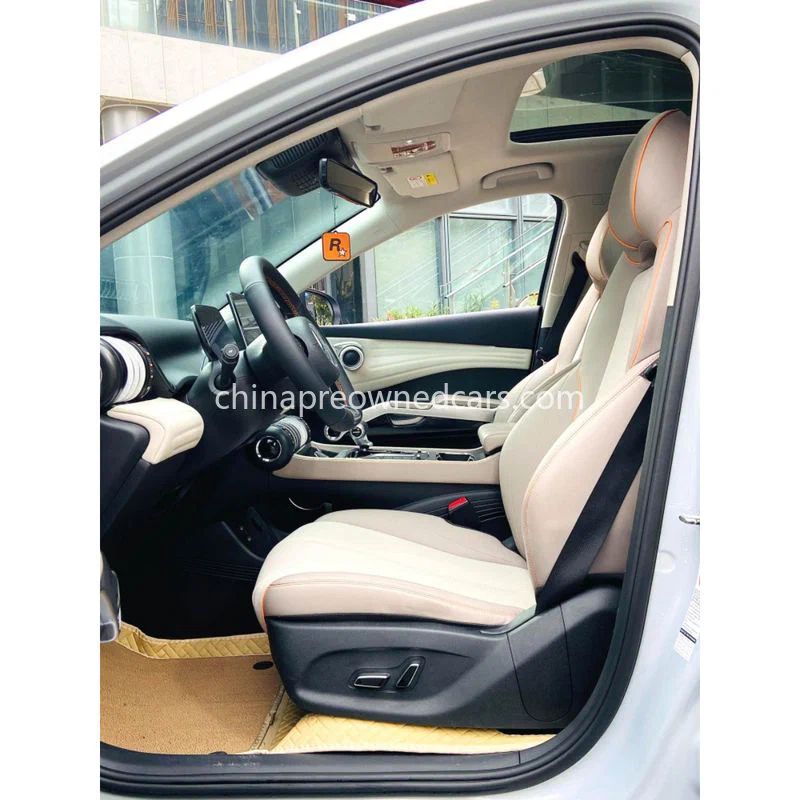
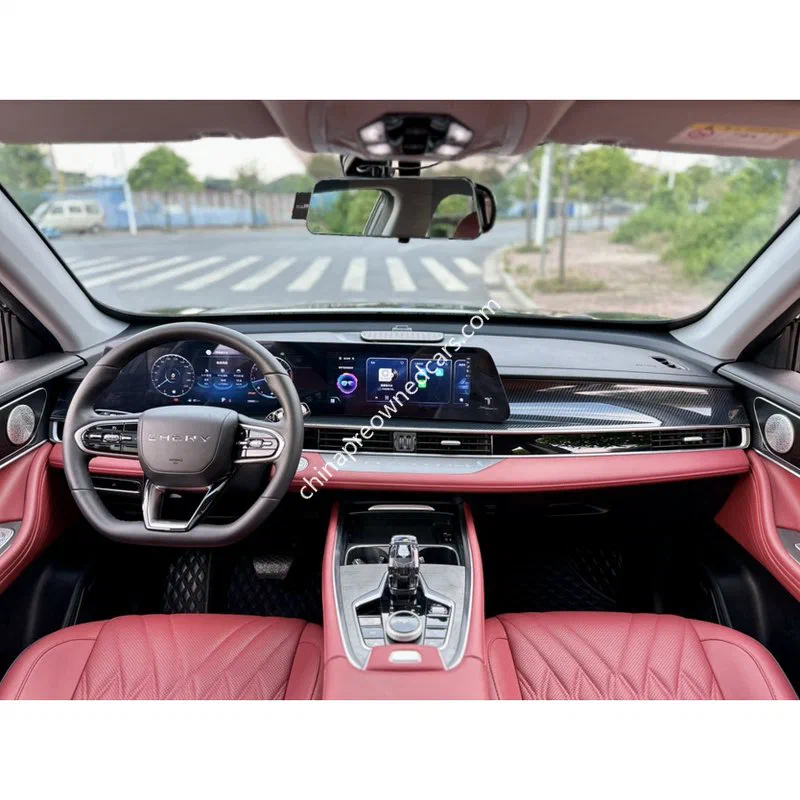
Mileage needs supporting evidence. Ask for odometer photographs, available maintenance invoices and diagnostic records, then compare dates and readings for inconsistencies. The inspection should cover the engine or electric drive system, transmission where fitted, suspension, tyres, brakes, steering, air conditioning and electronic controls. Inspect body panels for uneven gaps, paint differences, corrosion and evidence of structural repairs. A condition grade is useful only when the exporter explains its criteria and provides supporting photographs or inspection findings.
For electric and hybrid vehicles, request a battery state-of-health assessment where available, including the test method, reported capacity and diagnostic results. A dashboard range estimate alone is insufficient because it changes with temperature, driving style and recent energy consumption. Check charging operation, warning messages, battery casing and available fault history. For the BYD Atto 3, confirm charging compatibility and the availability of suitable local service support. Battery transport documentation and carrier requirements should also be established before shipment.
2. Compare shipping methods and freight costs
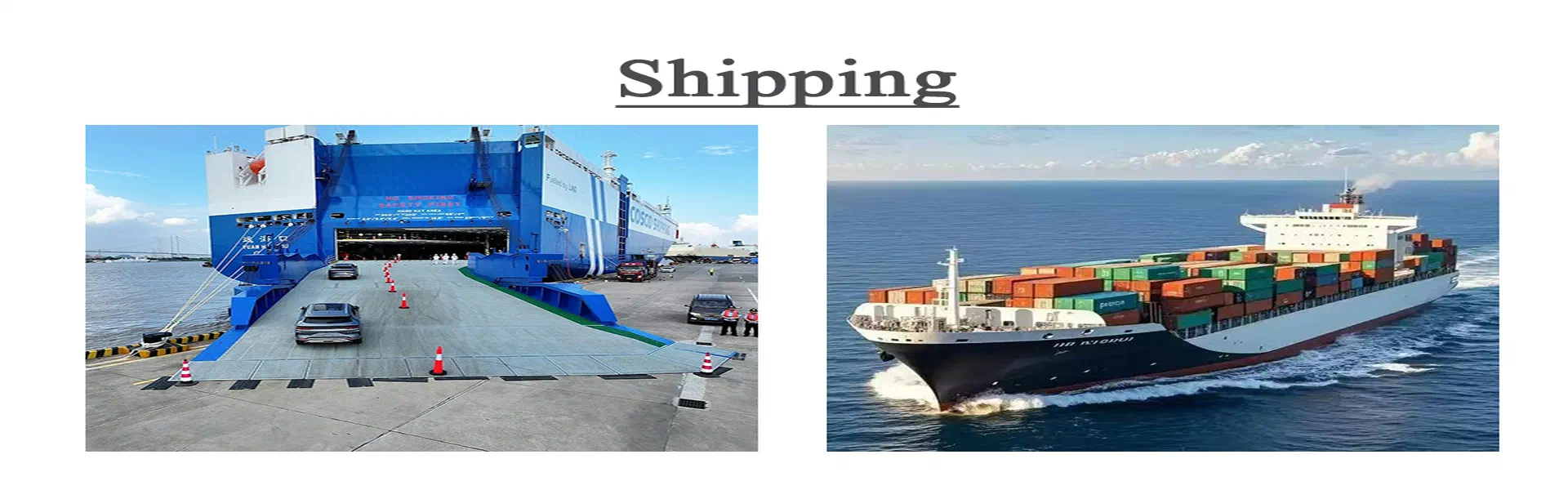
RoRo, or roll-on/roll-off shipping, moves vehicles onto and off a vessel using their own wheels or designated handling procedures. It can be economical for standard vehicles when a suitable sailing is available. However, vehicles may be exposed to port handling and shared vessel operations, and personal goods or loose spare parts are generally restricted. Confirm the carrier’s rules on fuel or battery charge levels, vehicle operability, keys and permitted contents.
Container shipping places vehicles inside a freight container, offering protection from direct weather exposure and allowing more control over separation from other cargo. It may suit higher-value vehicles or shipments requiring additional protection, but loading, securing, lashing and unloading introduce their own risks. Container dimensions, vehicle height, loading equipment and weight limits determine what can be shipped together. Buyers should clarify whether the quotation includes loading, securing materials, port handling, container charges and destination unloading.
Freight rates depend on vehicle dimensions and weight, departure port, destination port, vessel schedules, seasonal demand, fuel-related surcharges and the selected shipping method. Request an itemised quotation that separates the vehicle price from inland transport, export handling, ocean freight, insurance and destination charges. A low headline rate can conceal terminal handling, documentation or storage fees. Transit time to West African ports varies by route, transshipment, sailing frequency and congestion. Obtain an estimated schedule from the carrier and allow additional time for customs clearance and collection; a sailing estimate is not a guaranteed arrival date.
3. Check export documents, insurance and destination clearance
Before shipment, the exporter should explain which documents will be supplied and who is responsible for each stage. Depending on the transaction and applicable requirements, the document package may include the commercial invoice, sales contract, vehicle identification details, export licence or other required export authorisation, customs declaration records, pre-shipment inspection documents where applicable, and the ocean bill of lading. Ask for copies of relevant documents before departure and verify that names, VIN, vehicle description and consignee details match across the paperwork.

Marine cargo insurance deserves separate attention. Confirm the insured value, covered risks, exclusions, deductible and claims procedure in writing. Do not assume that a carrier’s liability provides full compensation for damage, theft or loss. Photograph the vehicle before loading, retain the inspection report and loading images, and document any visible damage immediately upon arrival. For container shipments, clarify who records the condition at unloading and how evidence will be preserved if a claim arises.
At destination, the consignee or appointed clearing agent normally uses the shipping and commercial documents to complete customs procedures, pay assessed charges and arrange release. Port storage and demurrage may accumulate if paperwork is incomplete, duties remain unpaid or collection is delayed. Before booking, confirm the current vehicle age restrictions, emissions requirements, inspection rules, import eligibility and applicable taxes for Ghana or Nigeria, as well as Kenya, Uganda or Tanzania. These rules can change, and requirements differ by country. Most Chinese domestic vehicles are left-hand drive, so buyers must verify local registration and road-use rules before selecting a vehicle.
4. Assess the exporter and agree on payment terms
An exporter should be able to provide a verifiable business identity, a written vehicle specification, current photographs, inspection evidence and a clear explanation of the export process. Ask which services are included in the quotation and which are handled by external agents. Confirm how discrepancies are resolved if the inspected vehicle differs from the agreed specification. A video call showing the actual vehicle and its VIN can help, but it does not replace independent verification or documentary checks.
Payment terms should be stated in the contract, including the deposit, balance payment trigger, bank beneficiary and conditions for cancellation or refund. Some transactions use a deposit followed by payment after inspection or before shipment, but the exact arrangement depends on the parties and contract. Avoid sending funds to an unrelated personal account without a documented explanation. The agreement should identify responsibility for export clearance, freight booking, marine insurance, document delivery and destination charges. For buyers ordering repeatedly, a consistent inspection and reporting procedure helps compare vehicles across shipments and reduces disputes over condition.
Common problems include mileage discrepancies, undisclosed repairs, battery performance below expectations, mismatched shipping documents, missed vessel cut-offs and unexpected destination fees. Preventing these issues starts before dispatch. Obtain the final inspection report, confirm the VIN and vehicle configuration, approve the shipping method, and check the draft bill of lading for errors before it is finalised. Buyers should also establish how documents will be sent, who will monitor vessel progress and which party will respond to a customs query. For pre-owned vehicle exports, clear responsibility at each handover is more useful than a general promise of trouble-free delivery.
FAQ
Q:: Is a pre-owned car necessarily in better condition than a used car?
A: No. The terms are often interchangeable in vehicle sales, and neither establishes a standard condition level. Inspection evidence, service records and VIN verification are more useful indicators.
Q: Is RoRo or container shipping better for cars exported from China to West Africa?
A: RoRo can be economical for standard vehicles, while containers provide greater control over cargo protection and loading arrangements. The right option depends on the vehicle, route, carrier restrictions and total landed shipping cost.
Q: Which documents should a buyer request before a vehicle leaves China?
A: Request the vehicle inspection report, matching VIN and commercial documents, applicable export authorisation and customs declaration evidence, plus the shipping booking details. Confirm when the bill of lading will be issued and check destination import requirements with a qualified clearing agent.