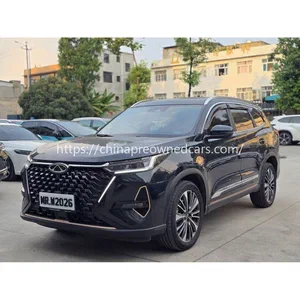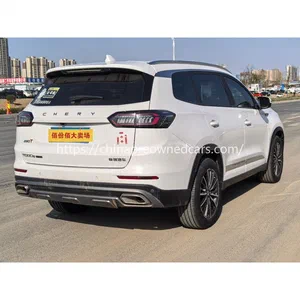
Exporting used electric and hybrid vehicles from China to West Africa requires more than checking the odometer and arranging ocean freight. Buyers need evidence of battery condition, a compatible charging system, suitable transport arrangements, and compliance with the destination country’s import rules. These checks affect landed cost, usable driving range, and resale prospects in Ghana, Nigeria, Kenya, Uganda, and Tanzania.
Battery Health and Charging Compatibility Before Shipment
Battery state of health (SOH) is a key factor when assessing a used electric vehicle for export. It estimates the battery’s remaining capacity relative to its original condition, but it does not describe every aspect of battery performance. A buyer should request a diagnostic report showing SOH, available capacity, fault codes, cell voltage differences, and charging history where the vehicle’s systems provide this information. The report should identify the vehicle by VIN and record the date and method of testing.

A dashboard range estimate is not a substitute for a battery assessment. Displayed range depends on recent driving, temperature, air conditioning use, speed, and the battery’s state of charge. Where possible, the inspection should include an AC charging test, a DC fast-charging test, and a review of battery temperature and warning messages. A road test can help identify unusual energy consumption, although a short test cannot establish long-term performance. Buyers should also check for underbody damage, signs of water ingress, previous battery repairs, and relevant service records.
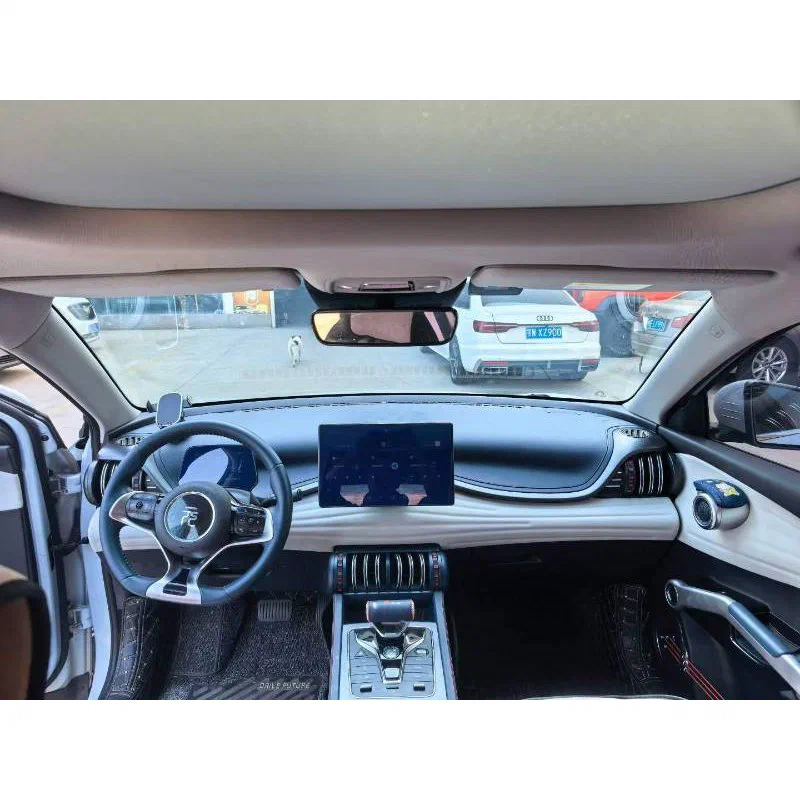
Charging compatibility needs equal attention. Chinese-market vehicles commonly use GB/T connectors, while CCS and CHAdeMO are found in other charging networks. These systems are not interchangeable simply because a charger has a similar appearance. Buyers sourcing a BYD Atto 3 should confirm the exact market specification, connector type, supported charging power, and availability of compatible chargers or approved adapters in the destination. The same principle applies to plug-in hybrids, which may depend on charging access to deliver their expected fuel savings. Ghana, Nigeria, Kenya, Uganda, and Tanzania each require a practical assessment of local charging access; a buyer should not assume that a connector accepted in one market will work throughout the region.
RoRo or Container Shipping for Used Electric Vehicles
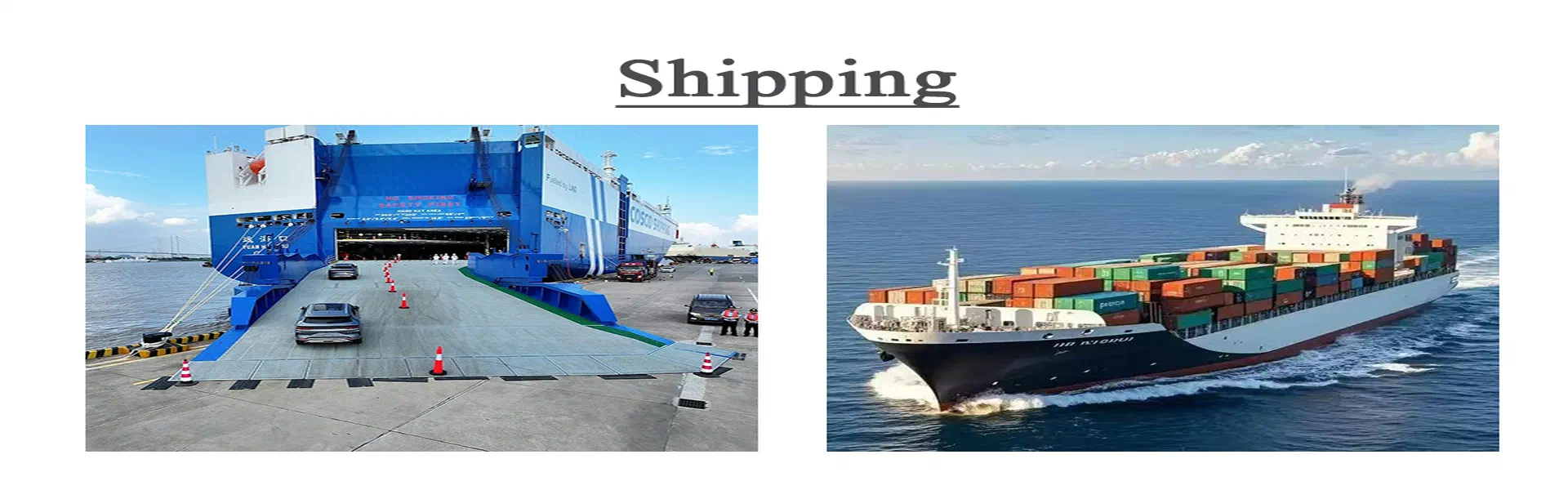
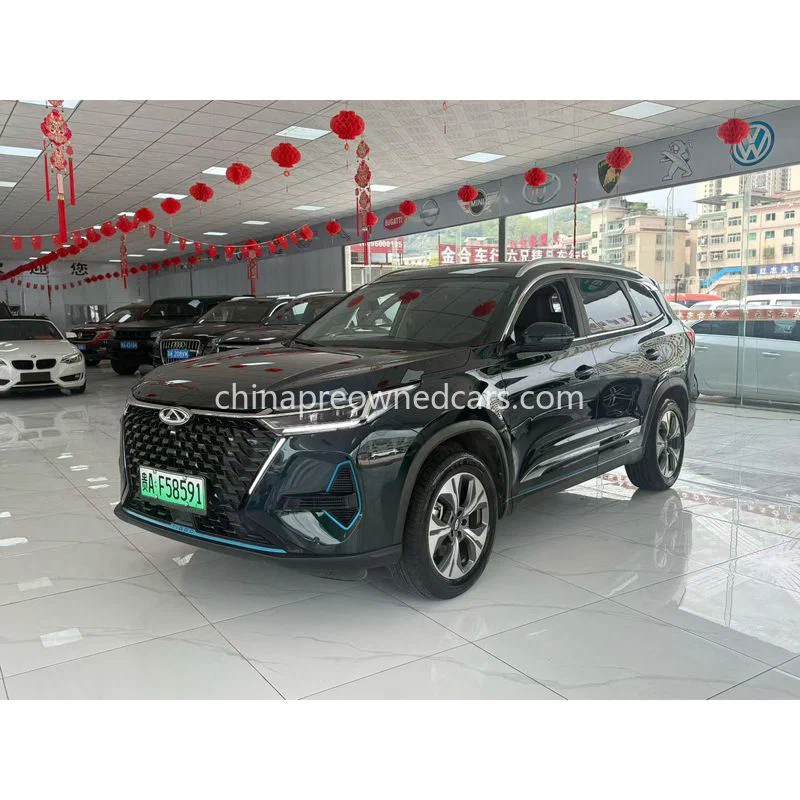
Roll-on/roll-off (RoRo) shipping is often suitable for running vehicles that can be driven or moved under their own power. The vehicle is driven onto the vessel and secured in a designated deck area. This can be economical when the route and sailing schedule support RoRo service, but access to the vehicle during transit is restricted, and exposure to handling activity may concern buyers shipping higher-value units. Non-running vehicles, vehicles with transport restrictions, and units that cannot meet carrier requirements may not be accepted.
Container shipping offers a different set of trade-offs. A vehicle is loaded into a container and secured for ocean transport, providing separation from other cargo and reducing some exposure to port handling. The container must accommodate the vehicle’s dimensions, securing equipment, and any loading restrictions. Loading and unloading require appropriate equipment and trained personnel. A container is not automatically safer: poor lashing, inadequate clearance, or improper loading can cause damage. Shipping more than one vehicle in a container may improve freight efficiency, but only if the dimensions, weight distribution, and carrier rules permit it.
Freight quotations depend on the vehicle’s size and weight, the shipping method, origin handling, destination port, fuel and carrier surcharges, and the availability of sailings. Transit time to a West African port varies with the departure port in China, routing, transshipment, vessel schedules, and port congestion. Buyers should obtain a shipment-specific estimate rather than treat a typical sailing window as a delivery commitment. The quotation should distinguish ocean freight from export handling, terminal charges, destination fees, customs-related costs, and inland delivery. Comparing headline freight prices alone can hide substantial differences in the final landed cost.
Dangerous Goods, Documentation, and Destination Clearance
Lithium traction batteries require careful handling under applicable maritime dangerous-goods rules. UN 3480 applies to lithium-ion batteries shipped on their own; vehicles containing lithium-ion batteries are generally classified under UN 3556 when the battery is lithium-ion and installed in the vehicle. The exact classification, packing or handling requirements, documentation, and carrier acceptance conditions must be confirmed for the specific shipment. Battery damage, defects, or recalls can trigger additional restrictions. The exporter and freight forwarder should disclose the vehicle’s powertrain and battery status before booking, rather than assume that an electric vehicle can follow the same process as a conventional car.
Chinese used-vehicle exports also require the applicable export authorization or licensing, customs declaration, and pre-shipment inspection. Buyers should confirm that the export documentation matches the VIN, vehicle description, declared value, and shipping instructions. Depending on the transaction and carrier, relevant documents may include the commercial invoice, export declaration, inspection records, and bill of lading. The bill of lading records the shipment and serves an important role in cargo release. Any discrepancy in vehicle identity or consignee details should be corrected promptly.
Marine cargo insurance deserves separate review. Buyers should establish whether the policy covers loading, ocean transit, unloading, and the relevant risks of physical damage or loss. They should check exclusions, deductibles, valuation basis, claims deadlines, and evidence requirements. Insurance does not automatically cover battery degradation, pre-existing faults, or every consequence of improper loading. At destination, the consignee or appointed clearing agent generally coordinates document submission, applicable duties and taxes, inspections, port charges, and release. Storage and demurrage can accrue if paperwork or payment is delayed. Before dispatch, the importer should confirm current vehicle-age restrictions, emissions rules where applicable, left-hand-drive acceptance, roadworthiness requirements, and EV-specific import conditions with the relevant authorities in the destination country.
Range, Resale Value, and Buyer Verification
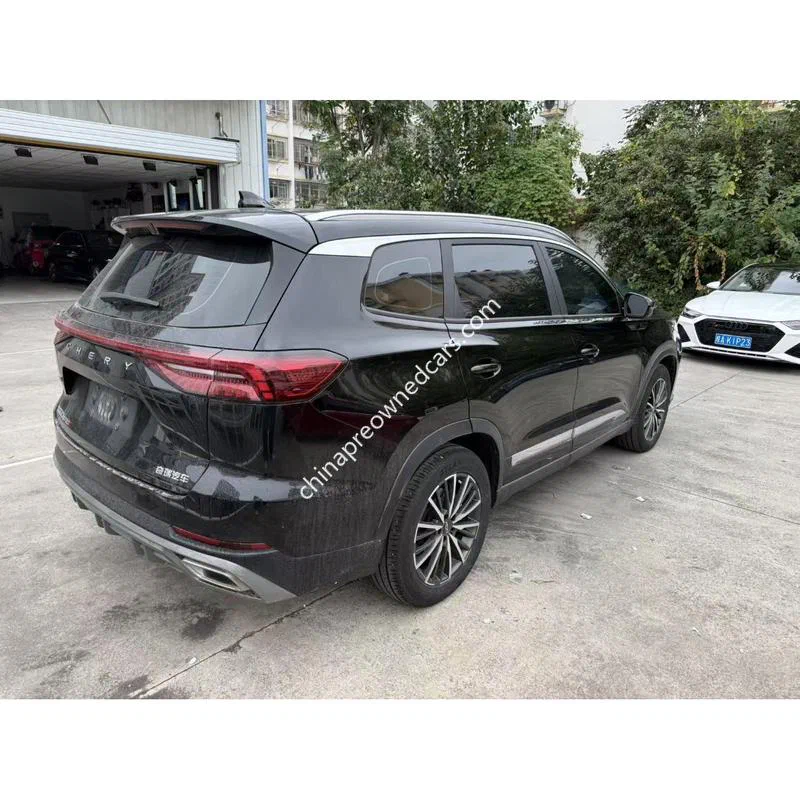
Battery degradation affects both daily usability and resale value. A vehicle with reduced usable capacity may still meet an operator’s needs if routes are short and charging is available, but it may be less attractive to a buyer who depends on longer journeys. Range estimates should therefore be assessed against actual operating routes, charging stops, payload, climate, and air-conditioning use. For a hybrid, the inspection should cover the high-voltage battery as well as the combustion engine, transmission, cooling systems, and diagnostic faults. Hybrid and fully electric vehicles have different maintenance profiles and should not be assessed using identical checklists.
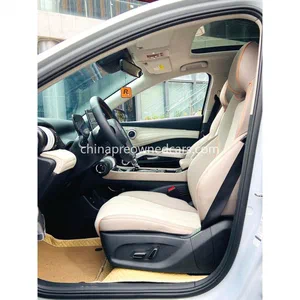
Price comparisons need the same discipline. Search terms such as used cars under 10000 may help identify budget-oriented listings, but the advertised vehicle price does not establish the total cost of importing an EV. Buyers should compare battery condition, model specification, repair history, freight, insurance, destination charges, taxes, and the cost of any charging equipment or approved adapters. Before payment, request dated diagnostic evidence, clear photographs, VIN details, a written condition report, and confirmation of the agreed shipping method. Ask which inspection findings could affect the transaction and how discrepancies will be handled. Payment milestones, responsibility for bank charges, document release, and after-sales support should be stated in writing. A lower purchase price can lose its advantage if the battery needs attention or the vehicle cannot use the destination’s charging network.
FAQ
Q: Can a used electric vehicle with reduced battery health be exported to West Africa?
A: Potentially, provided the vehicle meets carrier acceptance conditions and the destination’s current import rules. Buyers should evaluate remaining capacity, practical range, repair needs, and resale implications before purchase.
Q: Is RoRo or container shipping better for a used electric vehicle?
A: RoRo can be economical for eligible running vehicles, while container shipping offers enclosed cargo space and different loading options. The right choice depends on carrier acceptance, vehicle condition, route availability, total charges, and the required handling arrangements.
Q: What documents should an importer verify before the vehicle leaves China?
A: Confirm the applicable export authorization, customs declaration, pre-shipment inspection records, commercial invoice, and shipping instructions, along with the carrier’s dangerous-goods requirements where relevant. Check that the VIN and consignee details are consistent and that the destination’s current import requirements have been verified.