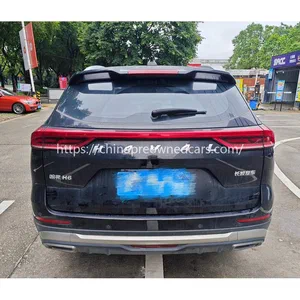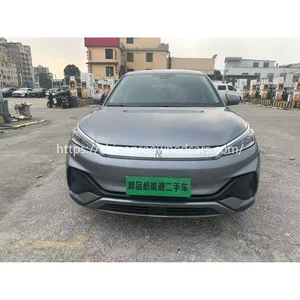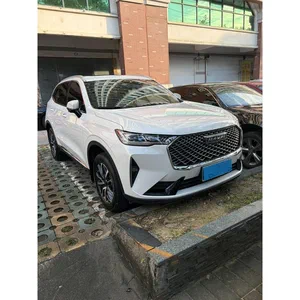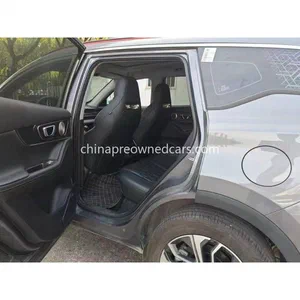
Mileage and service records help buyers assess the condition of used vehicles before arranging export from China to West Africa. For importers sourcing used certified cars, the key is to understand how condition grading works, what an inspection can establish, and how shipping arrangements affect the vehicle’s condition on arrival. These checks are particularly important when a buyer cannot examine the vehicle in person.
How Mileage and Service Records Affect Vehicle Grading
Mileage provides a useful starting point, but it cannot determine vehicle quality on its own. A vehicle with relatively low mileage may have suffered accident damage, long periods of inactivity or poor maintenance. Another with higher mileage may have received regular servicing and careful use. Buyers should therefore assess odometer readings alongside the vehicle’s age, wear patterns and available maintenance records.
Mileage bands help organize stock for comparison, although grading thresholds vary between exporters and dealers. A lower-mileage vehicle may attract greater interest, but the reading should be checked against dashboard photographs, service invoices and electronic records where available. Inspect the steering wheel, pedals, seats and other frequently touched surfaces for wear that appears inconsistent with the stated mileage. These signs are clues, not proof of odometer tampering.

Service history adds another layer of evidence. Records showing routine maintenance, fluid changes, repairs and replacement parts can help establish how a vehicle was maintained. Missing documents do not automatically mean poor condition, but they create uncertainty. Buyers should ask whether records are original, whether dates and mileage entries form a consistent sequence, and whether major repairs are documented. For a BYD Atto 3 or another electric vehicle, battery diagnostics and charging history, where available, may be more informative than conventional engine-service records.
What Inspection Grades Actually Confirm
Vehicle condition reports commonly separate cosmetic condition from mechanical and structural condition. Cosmetic checks cover paintwork, dents, scratches, interior wear, glass and trim. Mechanical checks may include starting and running performance, transmission operation, steering, suspension, brakes, warning lights and visible fluid leaks. Structural inspection should look for signs of collision repairs, inconsistent panel gaps, welding or damage to load-bearing areas.
An inspection is a snapshot, not a guarantee of future performance. A visual examination cannot reveal every internal fault, and a short road test may not reproduce intermittent problems. Buyers should request dated photographs, a written inspection checklist and details of any faults found. Where practical, an independent inspection offers additional confidence, particularly for vehicles purchased remotely.
The terms “export-grade” and “dealer-grade” are not universal certification standards. They may describe vehicles selected for resale or export, but their meaning depends on the seller’s grading policy. Before payment, request the grading criteria in writing and clarify whether repairs, worn tyres, cosmetic damage or mechanical defects affect the grade. The phrase used certified cars should not be treated as proof of a government-backed certification or a transferable warranty unless supporting documents establish that status.
For hybrid and electric models, the inspection scope should reflect their powertrain. Battery state of health, diagnostic fault codes, charging-port condition and charging functionality deserve attention. A battery health figure should identify the test method and measurement date. Buyers should also verify whether the vehicle’s charging connector and electrical specifications suit the intended market.
Shipping from China to West Africa: Protecting Vehicle Condition
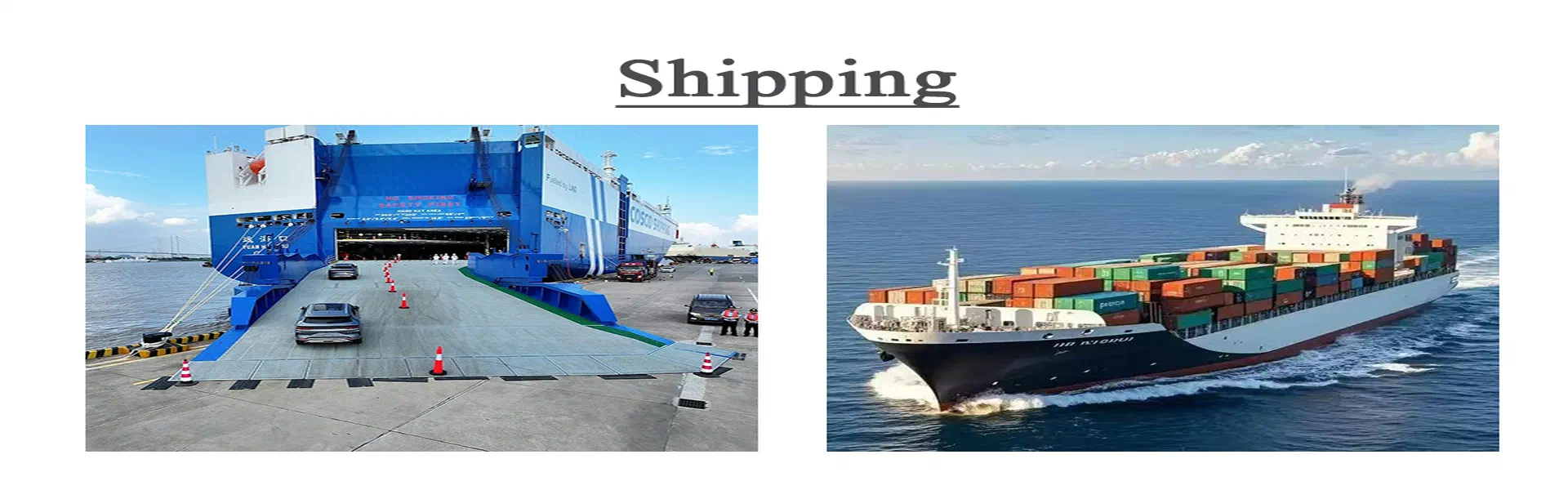
Once the vehicle has been assessed, the shipping method becomes part of the risk calculation. Roll-on/roll-off (RoRo) shipping allows vehicles to be driven onto and off a vessel. It can be economical for operable vehicles, but access is limited once the car enters the shipping process, and exposure to handling risks remains. Container shipping places the vehicle inside a secured freight container and can offer greater protection from weather and contact with other cargo. It may also accommodate selected spare parts when the carrier and customs rules permit, but loading, securing and container handling must be managed correctly.
Freight costs depend on vehicle dimensions, vessel schedules, port charges, route availability, handling fees and the chosen shipping method. Container quotations may also include loading and securing costs. Transit time to West African ports varies with the departure port, vessel routing, transshipment and congestion. Buyers should request a current estimate rather than treating a general transit range as a guaranteed arrival date.
Marine insurance deserves separate attention. Buyers should confirm the insured value, covered risks, exclusions, deductible and claims procedure before shipment. A bill of lading records the shipment and serves as a key transport document; its details should match the vehicle and shipping arrangements. The exporter must also coordinate the required export licence, customs declaration and pre-shipment inspection. At destination, the importer or appointed clearing agent generally handles arrival notices, customs entry, applicable duties and taxes, port charges and release procedures.
Before committing funds, buyers should match the vehicle identification number (VIN) across the vehicle, inspection report and export documents. Confirm the odometer reading, disclosed defects, payment milestones and responsibility for unexpected charges in writing. Import rules in Ghana and Nigeria can differ from those in Kenya, Uganda and Tanzania, including restrictions on vehicle age, emissions and roadworthiness. Most Chinese domestic vehicles are left-hand drive, so compatibility with local regulations must be checked before purchase. For electric vehicles, confirm battery transport requirements and local charging support as well.
FAQ
Q: Does low mileage mean a used vehicle is in better condition?

A: Not necessarily. Mileage should be checked alongside service history, wear, accident evidence and mechanical inspection results.
Q: What should an export vehicle inspection report include?
A: It should document the vehicle identity, odometer reading, cosmetic condition, mechanical checks, visible damage and identified faults. Electric vehicles should also receive appropriate battery and charging-system checks.
Q: Is RoRo or container shipping better for used cars going to West Africa?
A: RoRo can be economical for operable vehicles, while container shipping offers enclosed transport and different loading options. The best choice depends on the vehicle, freight quotation, handling arrangements and insurance coverage.