Used electric and hybrid vehicle exports require more than checking the vehicle listing price. This page examines how battery condition, charging compatibility, shipping methods, and import preparation affect the export value of Chinese pre-owned EVs and SUVs.
Battery value assessment before export
For electric models such as BYD Atto 3, battery state of health is a key factor in resale value after arrival. A buyer sourcing vehicles from China should request battery inspection records, review remaining capacity data, check charging history where available, and confirm whether the vehicle has experienced abnormal battery events. Range loss caused by battery degradation can affect market acceptance, especially in areas where public charging options are still developing.
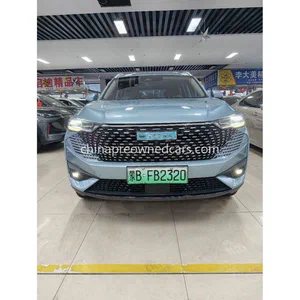
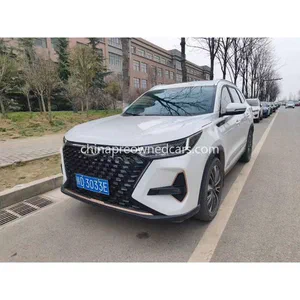
Used car price trends 2025 show that EV pricing is increasingly linked to battery condition rather than vehicle age alone. A vehicle with a well-documented battery condition may be easier to position in export markets such as Ghana, Nigeria, Kenya, Uganda, and Tanzania. Hybrid SUVs including Chery Tiggo 7 Plus and Haval H6 also require inspection of their electric components, fuel system condition, and maintenance records before shipment.

Charging compatibility is another export consideration. Chinese domestic EVs commonly use GB/T connectors, while some overseas markets rely on CCS or CHAdeMO systems. Buyers should confirm the charging standard accepted in the destination market and evaluate whether charging equipment or conversion solutions are available. Local charging infrastructure can directly influence how customers value an imported EV.
Shipping electric vehicles from China to West Africa
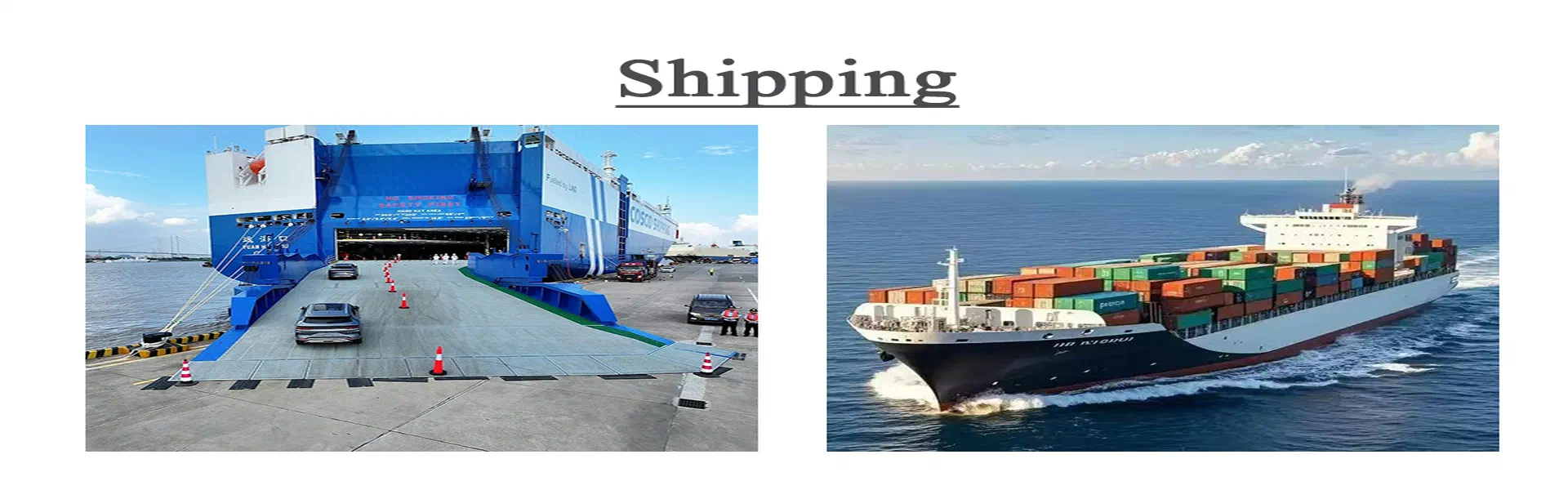
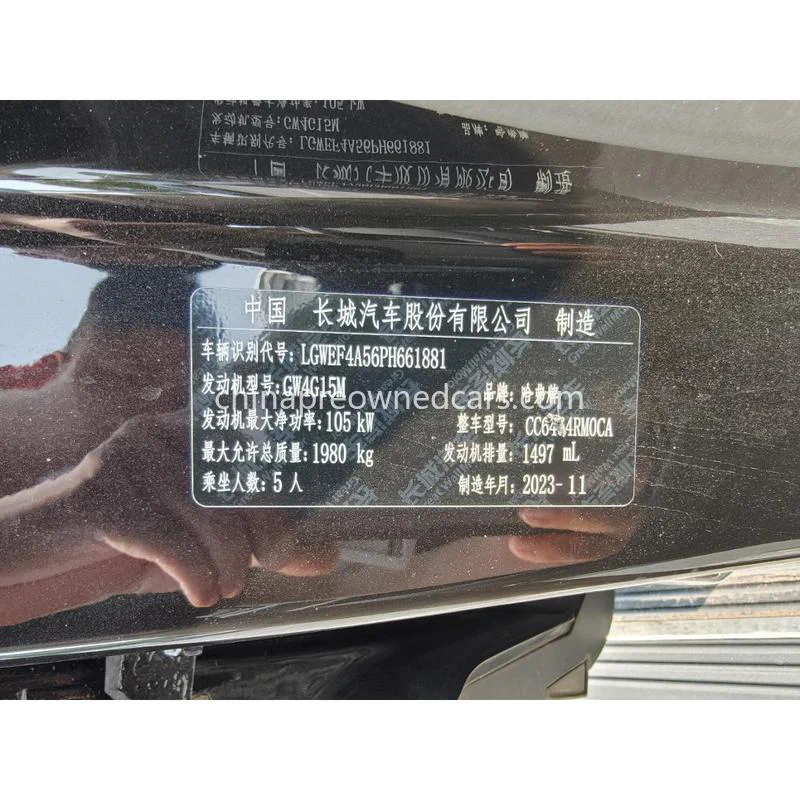
Export logistics for pre-owned EVs involve several operational steps. The exporter must complete export licensing, customs declaration, pre-shipment inspection, and required documentation before the vehicle leaves China. Shipping options usually include RoRo transport or container loading. RoRo can simplify vehicle handling because cars are driven onto the vessel, while container shipping provides more protection from external exposure but requires careful loading and space planning.
Freight rates depend on factors such as vessel schedules, port selection, vehicle dimensions, cargo requirements, and market conditions. Transit times to West African ports vary by route and shipping arrangement. Before shipment, buyers should confirm the bill of lading details, marine insurance coverage, inspection documents, and ownership paperwork. At the destination port, the vehicle normally goes through customs procedures, duty assessment, and local compliance checks before release.
EV shipments also require attention to battery transport rules. Lithium-ion battery systems are subject to dangerous goods requirements, including considerations related to UN 3480 classification and applicable shipping regulations. Complete vehicles with installed batteries follow different handling procedures from standalone batteries, so documentation and carrier requirements must be confirmed before booking transport.
A vehicle’s export suitability depends on more than the battery. Models such as BYD Atto 3, Chery Tiggo 8 Pro, Geely Coolray, and Haval H6 should be reviewed for drive side, roadworthiness, and local import requirements. Most Chinese domestic vehicles are left-hand drive, which may limit suitability in markets requiring right-hand-drive vehicles unless a specific sourcing arrangement is made.
Verification before purchase and arrival
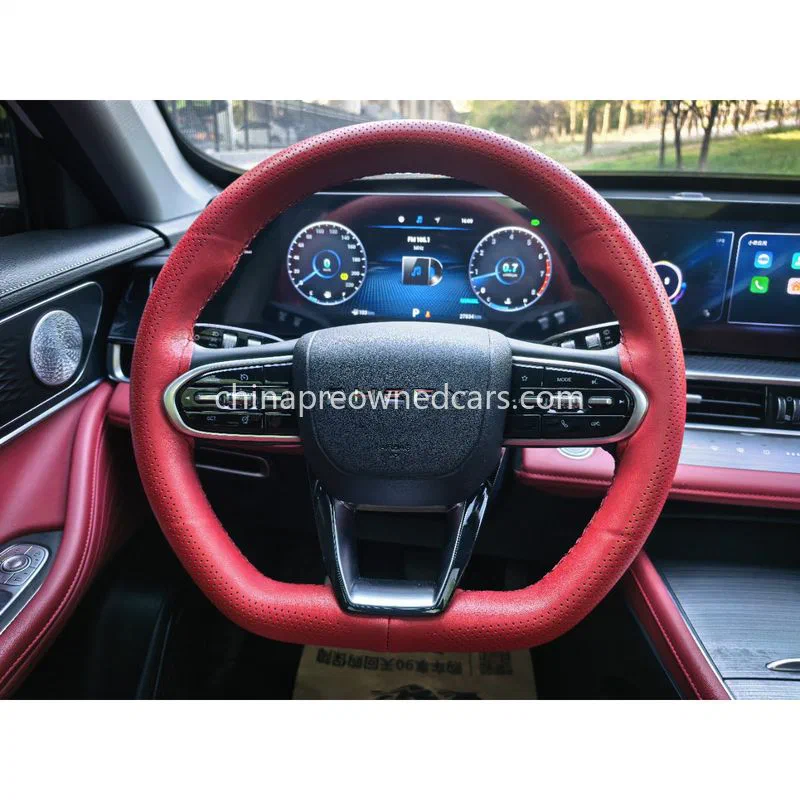
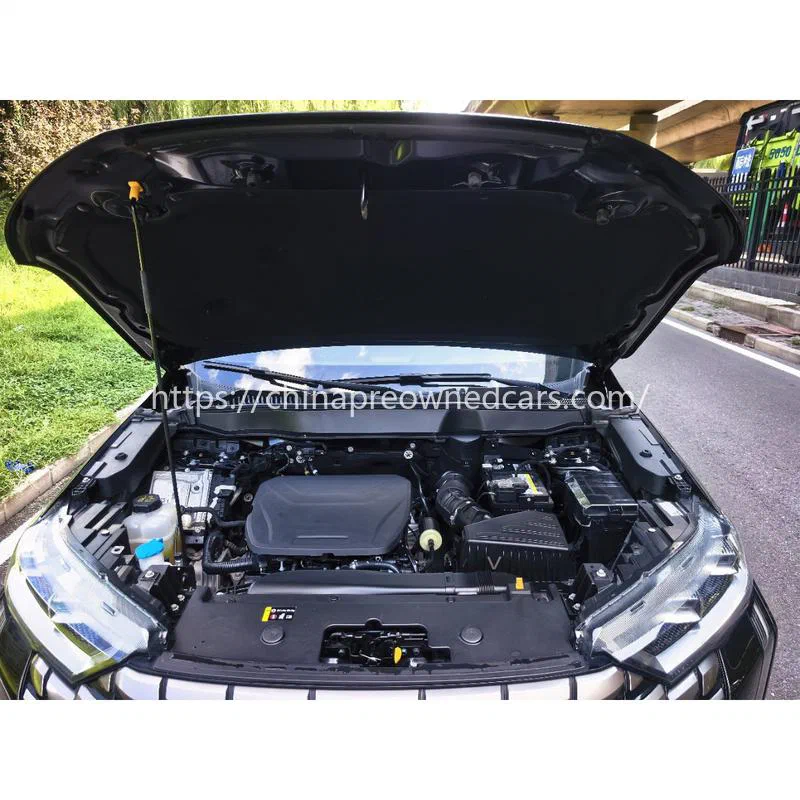
Buyers should establish a clear inspection process before payment and shipment. Important checks include VIN verification, exterior and interior condition assessment, mileage review, maintenance history, battery health reports for EVs, and confirmation that the vehicle meets the destination country’s current import regulations. Rules covering vehicle age, emissions, and road standards can change, so local requirements should be confirmed before purchase.
After-sales support also affects long-term vehicle value. Exporters should provide clear documentation, shipping updates, and technical information that helps local distributors or end users maintain imported vehicles. For EVs, access to charging information, battery records, and spare parts planning can be especially important after arrival in West African markets.
FAQ
Q: How does battery health affect used EV export value? A: Battery state of health influences expected driving range and buyer confidence. Inspection records and battery condition data help determine the vehicle’s suitability for resale.
Q: Is RoRo or container shipping better for EV exports? A: RoRo is commonly used for vehicle transport and can simplify loading, while containers may provide additional protection with different cost and handling requirements. The choice depends on route, vehicle type, and shipping conditions.