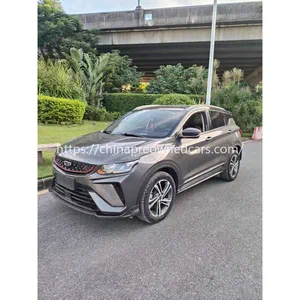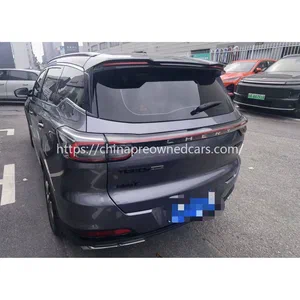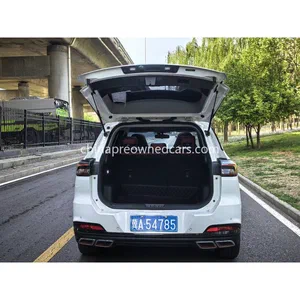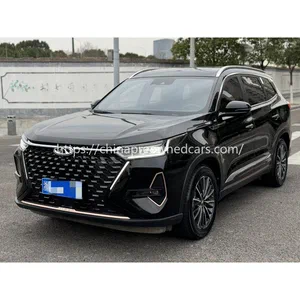
Choosing between electric and hybrid SUVs for export from China involves more than comparing purchase prices. Buyers searching for used autos under 10000 need to assess powertrain condition, destination-market compliance, shipping costs, and the availability of local servicing. For shipments to Ghana, Nigeria, Kenya, Uganda, and Tanzania, the right vehicle depends on operating conditions and the full cost of importing it.
Powertrain choice and destination compatibility
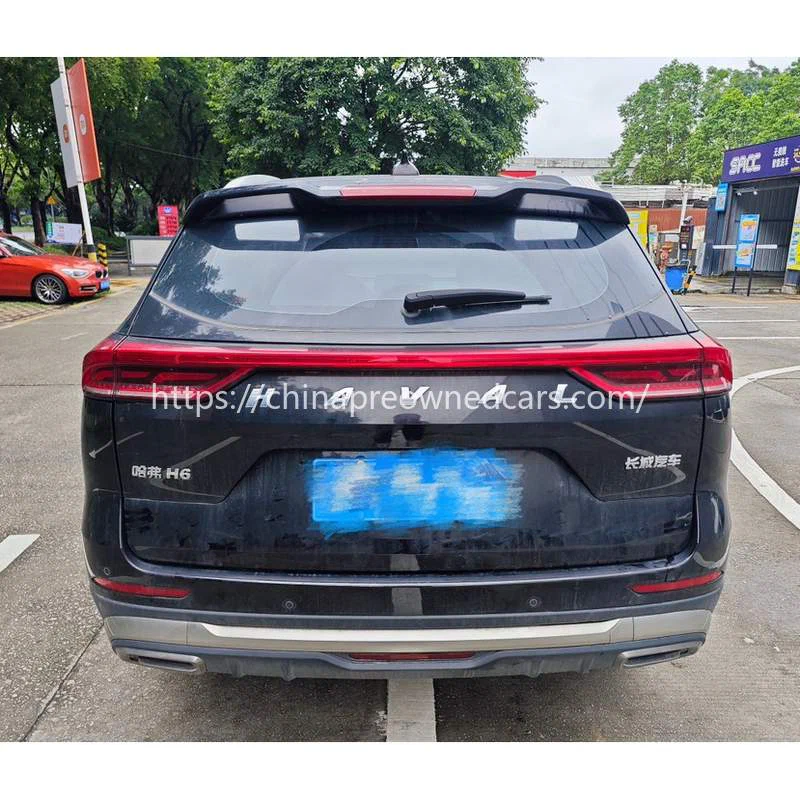
The BYD Atto 3 is a battery-electric SUV, while the Chery Tiggo 7 Plus, Chery Tiggo 8 Pro, Geely Coolray, and Haval H6 require buyers to verify the exact powertrain configuration of each vehicle. Some versions may use conventional petrol engines, while others may have hybrid systems, depending on model year and specification. Buyers should confirm the VIN, engine or motor details, transmission, and factory specification before comparing vehicles. A hybrid can reduce fuel consumption in stop-start traffic without relying on external charging, but it still requires engine maintenance. The Atto 3 eliminates petrol use but depends on access to compatible charging facilities.
Range and fuel economy need similar scrutiny. An EV’s usable range depends on battery health, temperature, driving speed, air-conditioning use, and terrain. Request a battery state-of-health report and check charging performance rather than relying solely on the original advertised range. For petrol and hybrid SUVs, verify real-world fuel consumption where records are available, along with engine condition and service history.
Destination compliance comes first. Ghana, Nigeria, Kenya, Uganda, and Tanzania have their own import rules covering vehicle age, emissions, roadworthiness, and documentation. Requirements can change, so importers should confirm current regulations before paying a deposit. Most Chinese domestic-market vehicles are left-hand drive (LHD). Because some destination markets use right-hand traffic and others left-hand traffic, the permitted steering configuration must be checked for the specific country and vehicle category.
Shipping method, freight costs, and port handling
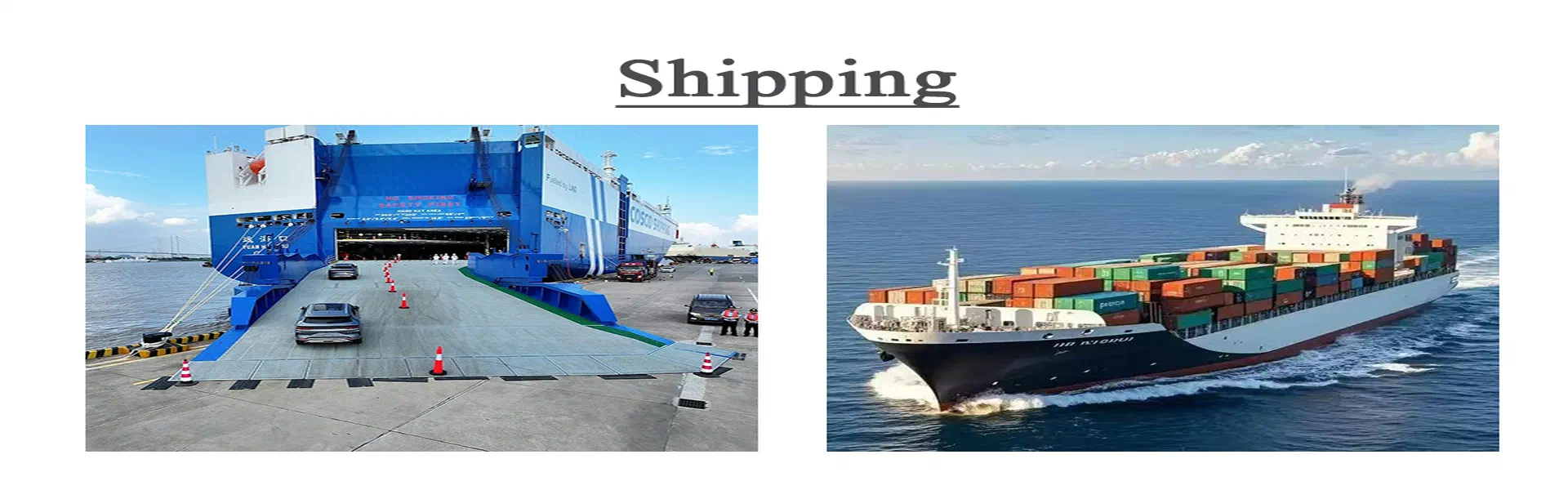
RoRo shipping and container shipping serve different needs. With roll-on/roll-off (RoRo), vehicles are driven onto and off a vessel through designated vehicle decks. This can be economical for standard, operable SUVs, but departure schedules and available routes depend on carrier services. Vehicles are generally exposed to port handling and vessel conditions, so buyers should document the vehicle’s condition before handover and confirm the marine insurance coverage.
Container shipping offers more control over how the vehicle is secured and can provide additional protection from weather and external handling. It may suit higher-value vehicles or shipments that require enclosed transport. However, container dimensions, vehicle clearance, loading equipment, and securing arrangements matter. A single SUV may not use container space as efficiently as a consolidated shipment. EV shipments also require carriers and forwarders to confirm applicable battery-related transport documentation and acceptance conditions.
Freight quotations depend on vehicle dimensions, shipping method, origin and destination ports, seasonal capacity, fuel-related surcharges, port charges, and cargo insurance. Buyers should compare quotations on the same basis: vehicle collection, export handling, ocean freight, insurance, destination charges, and any services excluded from the quoted amount. Transit time to West African ports varies with routing, transshipment, vessel schedules, and port congestion. Allow for the entire process, including inland transport in China, export clearance, vessel waiting time, and destination handling, rather than treating the sailing duration as the total delivery period.

Export documents and vehicle checks
Before shipment, the exporter must arrange the applicable export licensing, customs declaration, and pre-shipment inspection procedures. Buyers should request the inspection findings, VIN photographs, odometer evidence, exterior and interior condition records, and available maintenance history. For an EV, add battery health, charging tests, diagnostic results, and confirmation of the charging connector and supported charging standards. For a combustion or hybrid SUV, inspect the engine, transmission, cooling system, and emissions-related components. No grade or mileage figure replaces an independent assessment.
The bill of lading is a key shipping document used to evidence receipt of cargo and the contract of carriage. The commercial invoice, export and customs documents, inspection records, and other required paperwork must match the vehicle identification and shipment details. Before departure, agree on payment milestones, document release arrangements, insurance terms, and responsibility for destination charges. At the destination port, the importer or appointed clearing agent presents the required paperwork, completes customs procedures, pays applicable duties and charges, and arranges vehicle collection. Storage and demurrage can accumulate if documents or payments are delayed.
For buyers comparing the BYD Atto 3 with the Chery Tiggo 7 Plus, Chery Tiggo 8 Pro, Geely Coolray, or Haval H6, the lowest purchase price may not produce the lowest landed cost. Calculate the vehicle price, inland logistics, export handling, freight, insurance, duties, port charges, and expected servicing expenses together. Confirm that local technicians can support the selected powertrain and that replacement parts can be sourced at reasonable lead times. A lower-cost petrol SUV may be easier to operate where charging is limited, while an EV may suit a fleet with dependable charging access and suitable technical support. The final choice should reflect the destination’s rules and the buyer’s actual operating requirements.
FAQ
Q: Is RoRo or container shipping better for used SUVs exported to West Africa?
A: RoRo often suits operable, standard SUVs when suitable sailings are available. Container shipping provides enclosed transport but requires careful assessment of loading costs, dimensions, securing arrangements, and any battery-related requirements.
Q: What should buyers verify before shipping a used electric or hybrid SUV from China?
A: Confirm the VIN, powertrain specification, vehicle condition, service history, and destination import eligibility. For EVs, also check battery state of health, charging compatibility, and carrier acceptance requirements.