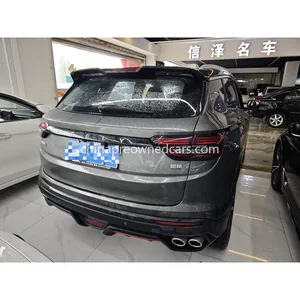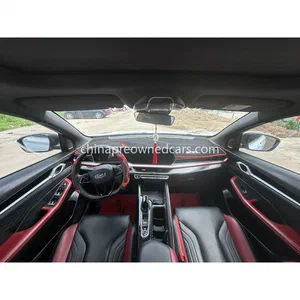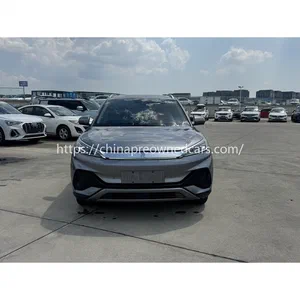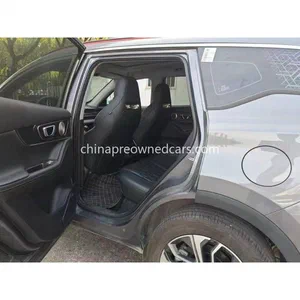

The Haval H6 is a useful candidate for export to West Africa when its powertrain, drive side, condition, and shipping method are checked against the destination market. This guide covers the vehicle itself and the practical steps for moving a used unit from China to Ghana, Nigeria, Kenya, Uganda, or Tanzania.
Haval H6 specifications that matter for export

The Haval H6 is a five-seat compact SUV with a practical cabin, raised driving position, and luggage space suited to family and commercial use. Chinese-market units may be fitted with a turbocharged petrol engine, while selected versions use a hybrid powertrain. Exact output, transmission, drivetrain, and fuel-consumption figures depend on model year and trim, so the vehicle identification number and factory specification sheet should be reviewed before a purchase decision. Two-wheel drive is common, while all-wheel-drive versions may be available depending on the sourced unit. For rough urban roads and mixed highway use, suspension condition and underbody clearance deserve more attention than brochure figures.
Fuel economy should be assessed from the specific engine and transmission combination rather than from a generic H6 listing. Hybrid versions can reduce fuel use in congested traffic, but they require additional checks on the high-voltage battery, cooling system, charging equipment, and diagnostic history. Petrol versions are simpler for markets where charging access is limited. Most vehicles sourced from China are left-hand drive, including the Haval H6 units commonly offered for export. This is generally compatible with Ghana, Nigeria, Kenya, Uganda, and Tanzania only where the importer’s current rules permit left-hand-drive vehicles; purely right-hand-drive requirements can restrict eligibility.
Condition grading and pre-shipment checks
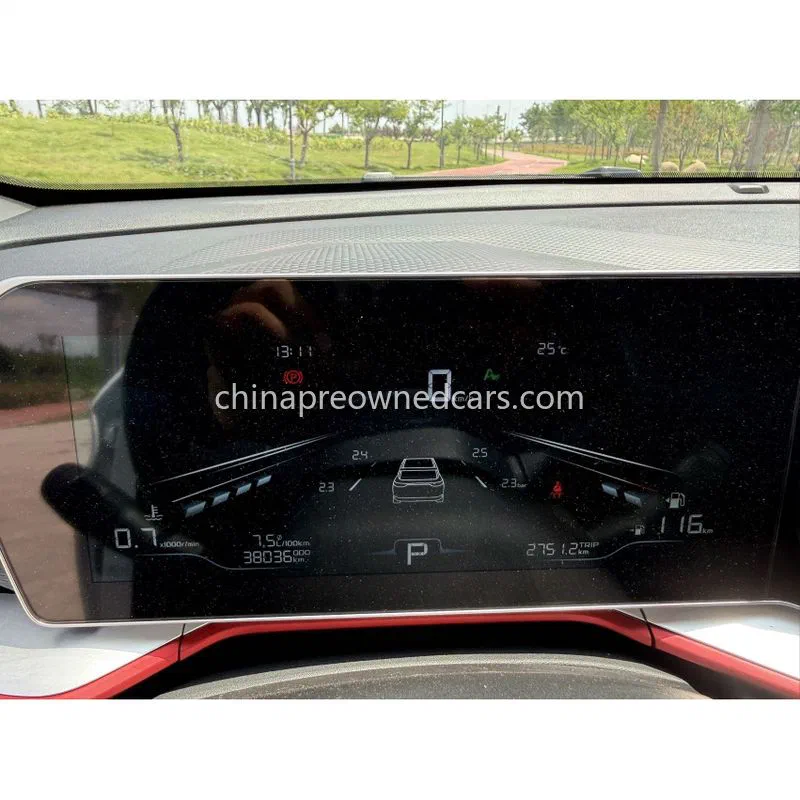
Used H6 vehicles should be graded from evidence, not from a seller’s description alone. A practical grading report records exterior repairs, paint variation, glass condition, tyre wear, wheel damage, interior wear, warning lights, air-conditioning performance, and the operation of driver-assistance systems. Mileage should be matched against service records, inspection readings, diagnostic data, and the vehicle’s digital history where available. A low odometer reading does not by itself prove low use. Buyers comparing listings through searches such as car kings used cars should still request unit-specific records.
The inspection should include a cold start, road test, gearbox operation, steering response, braking performance, suspension noise, and leakage checks. The underside needs inspection for impact damage and corrosion, especially if the vehicle has been used on unpaved roads or in coastal conditions. For a hybrid H6, a battery state-of-health report is essential, along with confirmation that the charging cable and onboard charging system are present. Battery transport declarations may be needed for certain shipping arrangements. The final pre-shipment inspection should confirm the VIN, equipment, condition grade, agreed accessories, and photographs before loading.
RoRo or container shipping to West Africa
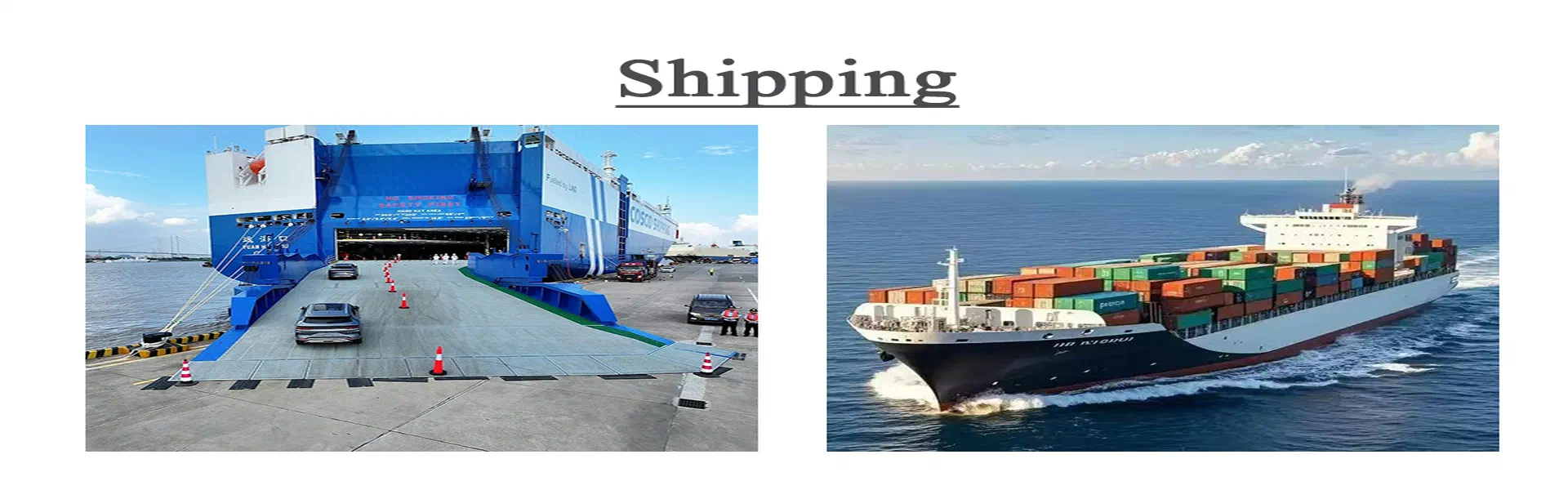
RoRo shipping is normally suitable when the Haval H6 can be driven onto the vessel and the route accepts the vehicle. It usually avoids the cost of a dedicated container and allows efficient loading of standard passenger vehicles. The trade-off is less control over handling and access during the ocean voyage. Personal goods should not be left inside the vehicle, and loose accessories can create loading or loss issues. Vehicle alarms, fuel levels, keys, and battery condition must follow the carrier’s instructions.
Container shipping offers stronger separation from other cargo and can be preferable for a high-value unit, a non-running vehicle, or a shipment requiring additional protection. It also permits tighter control over loading, blocking, and lashing, but the vehicle must fit the container opening and internal dimensions. Loading charges, securing materials, and local handling can make the total cost higher than RoRo. Poorly secured cargo can still suffer movement damage, so the loading photographs and securing method should be documented. Marine insurance should be considered for either method, with coverage limits and exclusions checked before the vehicle leaves China.

Ocean freight rates to West African ports change with vessel availability, container or RoRo capacity, port congestion, fuel adjustments, seasonality, vehicle dimensions, and the selected Chinese departure port. A quotation should separate ocean freight from export handling, inland transport, documentation, insurance, terminal fees, and destination charges. Transit time is commonly measured in several weeks, not a fixed delivery day, because transshipment, customs holds, weather, and port schedules can affect the final arrival. The bill of lading should show the correct shipper, consignee, vehicle description, VIN, port of loading, and discharge port. Errors can delay release.
Before dispatch, the exporter must hold the required export licensing, complete customs declaration, and arrange the mandated pre-shipment inspection. Supporting documents normally include the commercial invoice, packing or vehicle details, export documents, inspection evidence, and the bill of lading. Destination procedures then begin at the West African port: the consignee or clearing agent presents the documents, settles applicable port and import charges, completes customs assessment, and arranges release. Storage fees may arise if paperwork or payment is late. Importers should confirm current rules on vehicle age, emissions, left-hand drive, roadworthiness, duties, and registration with the relevant authority in Ghana or Nigeria before booking freight.
A purchase file should identify the exact H6 variant, VIN, inspection scope, payment stages, shipping responsibility, insurance position, and remedy for a material mismatch. The buyer should also confirm whether the vehicle uses a regional navigation system, language setting, charging connector, or safety calibration that may need adaptation. Service support matters after arrival. Haval parts and independent workshop capability should be checked locally, while comparable Chinese SUVs such as the Chery Tiggo 7 Plus, Chery Tiggo 8 Pro, Geely Coolray, and BYD Atto 3 can help identify shared market knowledge and technician familiarity. Payment should follow verifiable documents and agreed milestones rather than an unsupported condition claim.
FAQ
Q: Is RoRo or container shipping better for a used Haval H6? A: RoRo is often more economical for a running vehicle, while a container gives greater control over loading and protection. The correct choice depends on vehicle condition, route availability, cargo requirements, and the total delivered cost.
Q: What should be checked before exporting a Haval H6 to West Africa? A: Confirm the VIN, drive side, powertrain, mileage records, condition report, applicable emissions and age rules, export documents, and destination customs requirements. Hybrid units also need battery state-of-health evidence and confirmation of transport requirements.