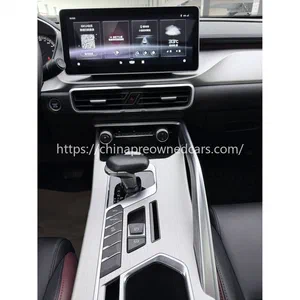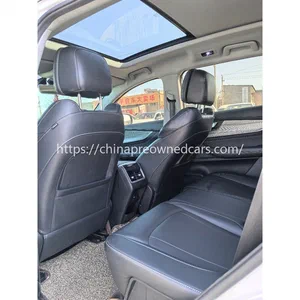
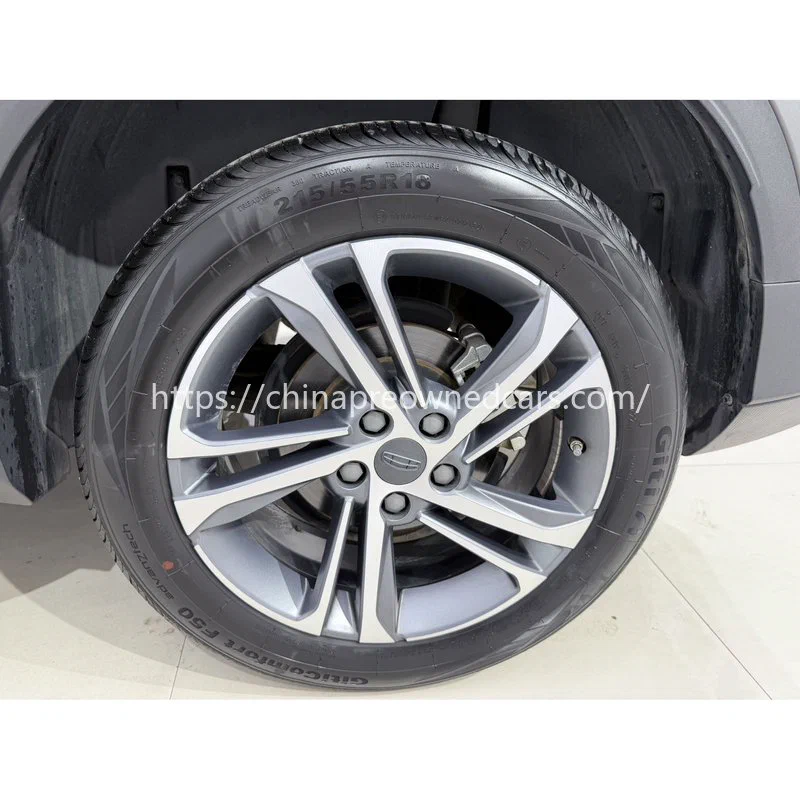
The Haval H6 is a prominent choice among buyers in emerging markets, especially in Africa. This vehicle combines practicality with good performance, making it suitable for various road conditions typically encountered in countries like Ghana, Nigeria, Kenya, Uganda, and Tanzania. Understanding its specifications, export logistics, and market fit is crucial for potential buyers looking for a used car to sale.
The Haval H6 features a turbocharged engine that provides adequate power for city driving and highway cruising. Typically equipped with a 1.5-liter or 2.0-liter engine, it delivers a fuel economy that aligns with the expectations of buyers in emerging markets. The vehicle is primarily left-hand drive, which is compatible with local driving requirements. However, buyers should verify specific emission standards and age limits applicable in their respective countries, as these can vary significantly.

Condition grading is essential when sourcing a used Haval H6. Typically, vehicles are graded based on criteria such as mileage, overall condition, and previous usage. Buyers should conduct a thorough inspection and consider obtaining a pre-purchase inspection report to assess the vehicle’s condition accurately. It’s advisable to look for vehicles with well-documented service histories to ensure proper maintenance has been performed.
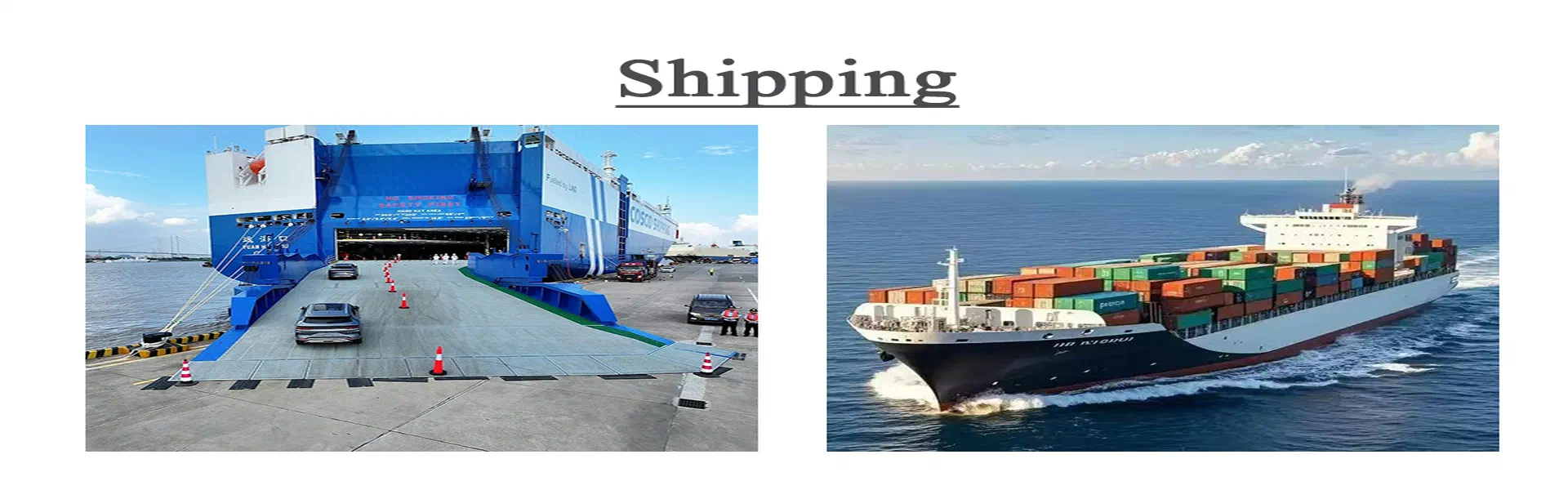
Export logistics play a critical role in the procurement process. When exporting a Haval H6, two main shipping methods are available: Roll-on/Roll-off (RoRo) and container shipping. RoRo is often more cost-effective; vehicles are driven onto the ship and secured for transit. However, it does carry a higher risk of exterior damage. Container shipping, while generally more expensive, offers better protection for the vehicle. Freight rates can vary based on the shipping method, distance, and current market conditions.
Once the vehicle reaches the destination port, it will undergo customs clearance, which includes presenting the necessary documentation. This documentation typically consists of the bill of lading, export licenses, and inspection certificates. Buyers should ensure they have all required documents prepared ahead of time to streamline this process. It’s wise to collaborate with a local customs broker who can facilitate the clearance and help navigate any local regulations.
After the vehicle has cleared customs, buyers should consider after-sales support. This includes the availability of parts and service networks for the Haval H6 in the target markets. Parts availability is crucial for maintenance and repairs. The Haval brand has been expanding its service network, making it easier for owners to find support for their vehicles. Buyers should also inquire about warranty options or service packages that may be available.
FAQ
Q: What should I check before purchasing a used Haval H6?
A: Verify the vehicle’s condition, service history, and obtain a pre-purchase inspection to assess its reliability.
Q: How is the shipping process for the Haval H6 handled?
A: The vehicle can be shipped via RoRo or container shipping; each method has different costs and risks associated with damage.
Q: What documents are needed for customs clearance when importing?
A: Essential documents include the bill of lading, inspection certificates, and export licenses, among others.