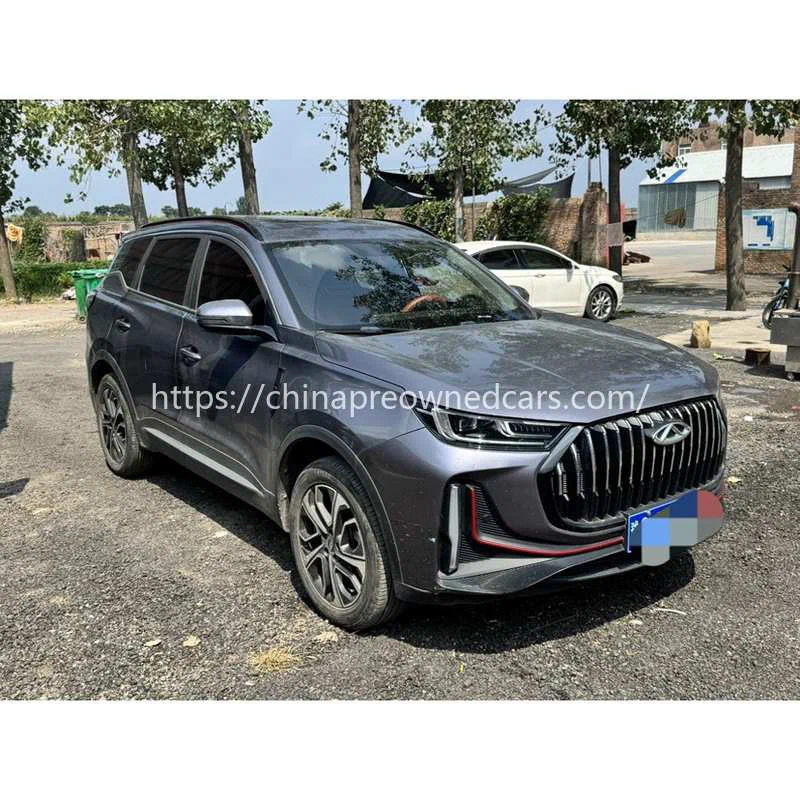
Exporting electric and hybrid vehicles to markets like Ghana requires careful consideration of various factors, including battery health, charging standards, and compliance with local regulations. Buyers should understand the significance of assessing battery state-of-health as this impacts vehicle performance and resale value. A thorough evaluation should include checking for the type of charging connectors, as certain markets accept specific standards like GB/T, CCS, or CHAdeMO. Additionally, battery transport regulations such as UN 3480 must be adhered to, which classify certain battery types as dangerous goods, necessitating special handling during shipping.
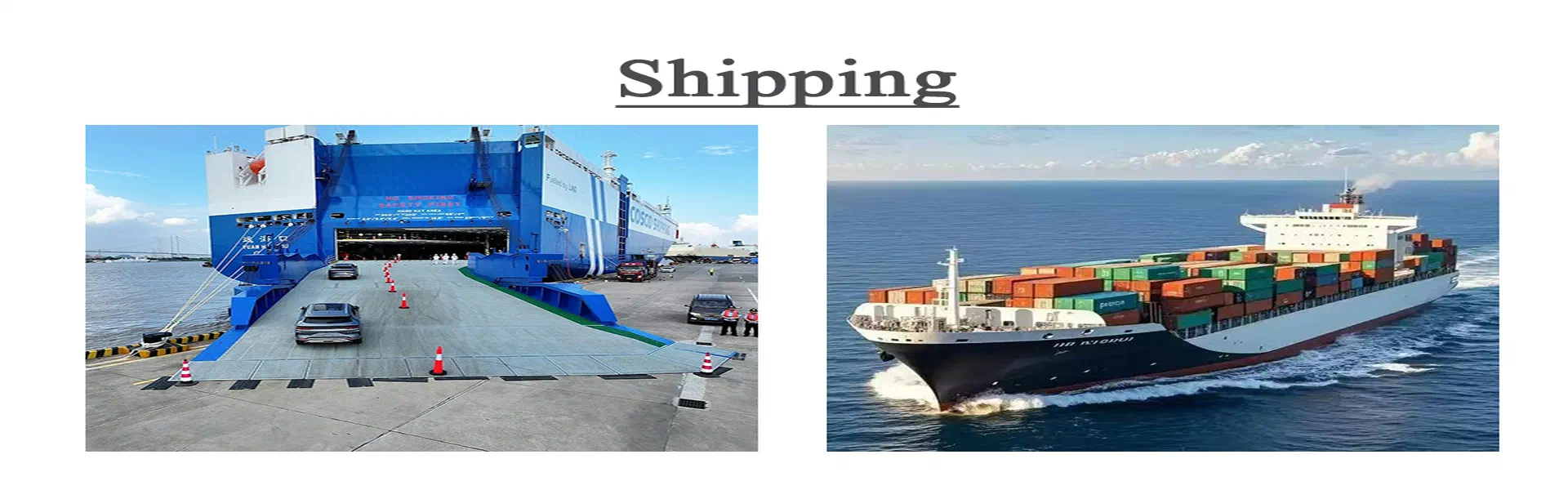
When it comes to export logistics, understanding the differences between RoRo and container shipping is crucial. RoRo (Roll-on/Roll-off) shipping typically offers a more cost-effective solution for transporting vehicles, allowing them to be driven directly onto the vessel. However, this method may pose a higher risk of damage due to exposure. Conversely, container shipping provides better protection but can be more expensive and has loading constraints. Transit times to West African ports generally vary, with shipping usually taking 15-25 days, but factors such as port congestion and weather conditions can influence this timeframe.
Documentation and customs clearance are pivotal in the export process. Buyers need to ensure that all necessary paperwork, including bills of lading and export licenses, is in order. Customs authorities in Ghana will require specific documentation to clear vehicles for import. Understanding the local import regulations is essential, as they may dictate vehicle age limits, emission standards, and other compliance requirements. Buyers should verify the current guidelines for electric vehicles, as these can change and may vary based on the vehicle’s specifications.

Charging infrastructure is another important aspect to consider when exporting electric vehicles. Assessing the availability of charging stations in Ghana is vital for the practicality of EVs. With the growing adoption of electric vehicles, the charging network is gradually expanding, but it is crucial to ensure that the vehicles being sourced are compatible with the local infrastructure. Evaluating the implications of range and battery degradation on resale value is also important; vehicles with higher battery capacities and better health are likely to retain value longer.
Before finalizing a purchase, buyers should conduct thorough vehicle inspections, including pre-purchase assessments of battery health and overall condition. It’s advisable to verify the vehicle’s VIN to ensure that it matches the documentation provided. Payment terms should also be clearly defined, and buyers should be aware of the potential lead times involved in shipping. After-sales support, including warranty options and service availability, should also be factored into the decision-making process to ensure a smooth ownership experience.
FAQ
Q: What should I check regarding battery health before purchasing an electric vehicle?
A: Buyers should assess the battery state-of-health and ensure it meets the necessary performance standards. A battery health report can provide insight into its lifespan and degradation.
Q: What shipping method is best for exporting vehicles to Ghana?
A: RoRo shipping is often more cost-effective, while container shipping provides better protection. The choice depends on the buyer’s budget and risk appetite.
Q: Are there specific import regulations for electric vehicles in Ghana?
A: Yes, import regulations vary and may include vehicle age limits and emission standards. It is essential to confirm the current rules before proceeding with an order.