A used vehicle should be assessed through its condition and records before shipping method or purchase terms are discussed. For buyers looking for a used vehicle from China, verified inspection evidence and a clear export plan reduce avoidable problems at the West African destination.
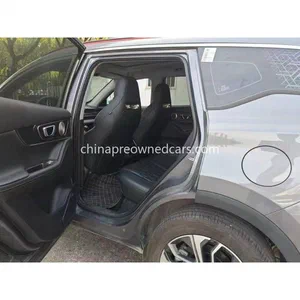
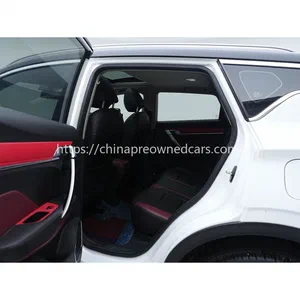
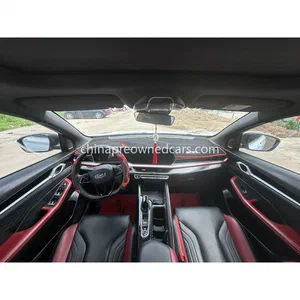
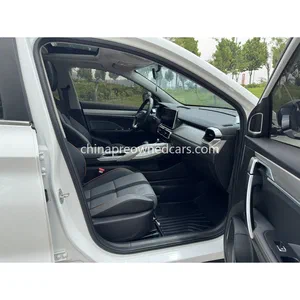
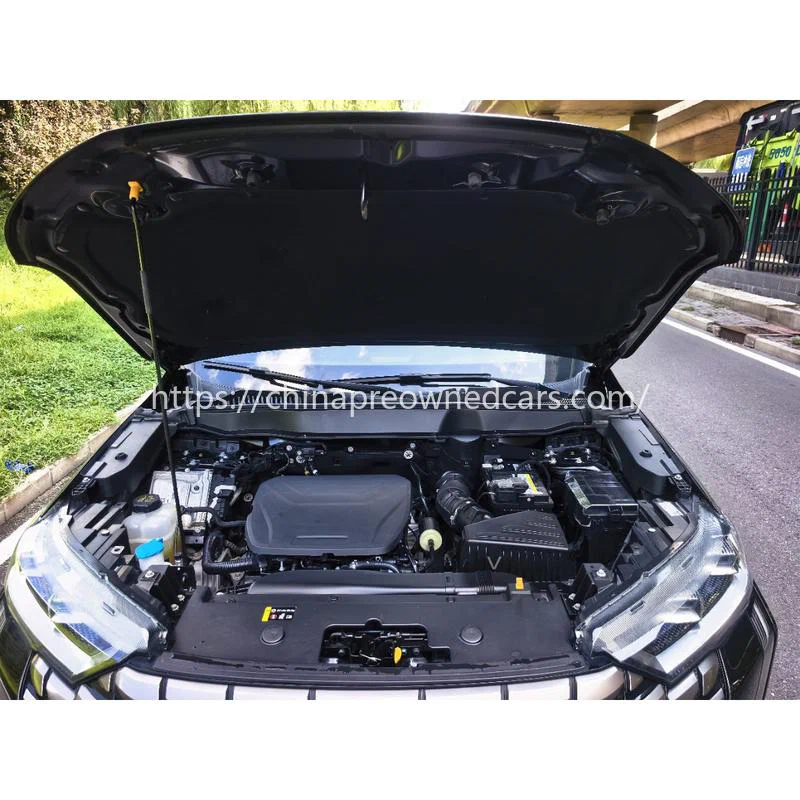
The file should identify the VIN, model, registration history, mileage reading, service entries, repair work and ownership status. A pre-shipment inspection should compare the vehicle with its records and check the body, glass, tyres, suspension, brakes, lights, cabin and diagnostic systems. For a BYD Atto 3, battery state of health, charging operation and warning messages require separate attention. Chery Tiggo 7 Plus, Chery Tiggo 8 Pro, Geely Coolray and Haval H6 should also be checked for accident repairs, flood exposure and replacement parts rather than judged by photographs alone.
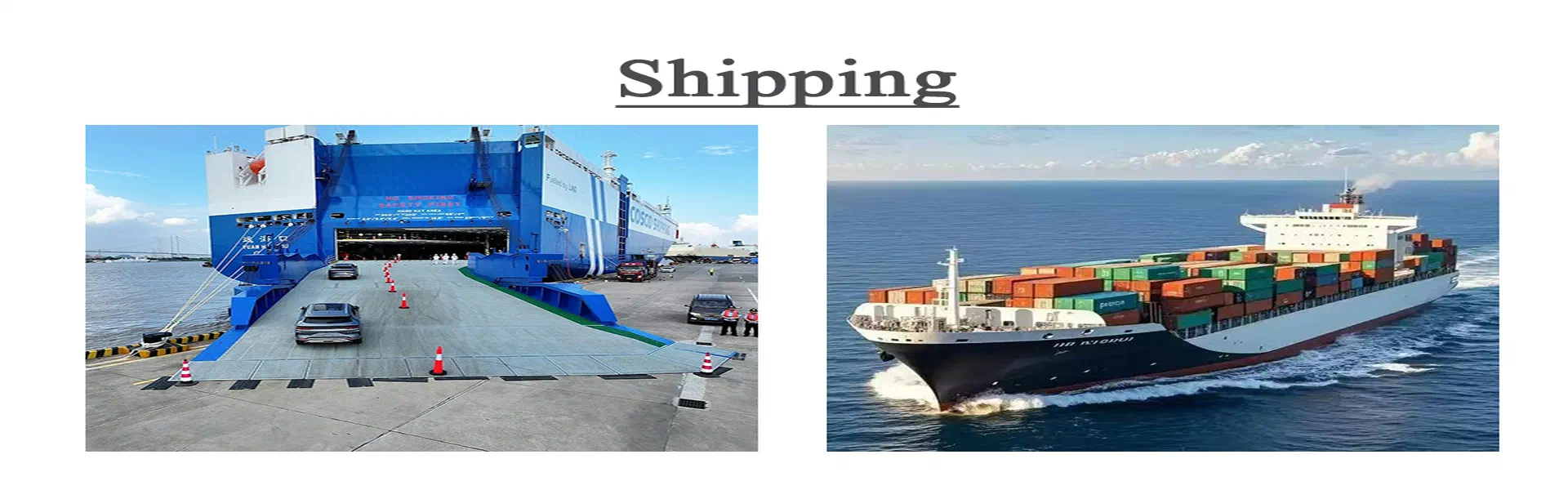
RoRo shipping usually suits a running vehicle that can be driven onto and secured inside the vessel. It normally involves less loading equipment and handling than a container, which can help control cost and reduce loading-related contact damage. The vehicle remains in a shared cargo environment, however, so the condition report and marine insurance terms matter. A container offers more physical separation and can suit a non-running vehicle or consolidated cargo, but loading space is limited and securing, handling and unloading charges can be higher.
Freight rates depend on the vehicle’s dimensions, origin yard, sailing schedule, fuel and seasonal charges, port fees, insurance, and whether the shipment is RoRo or containerised. Transit to a West African port is commonly measured in weeks, not days, and transshipment or port congestion can extend the schedule. The booking should state the shipping term, cargo description and planned port clearly. Marine insurance should cover the agreed risks and value, with exclusions reviewed before payment.

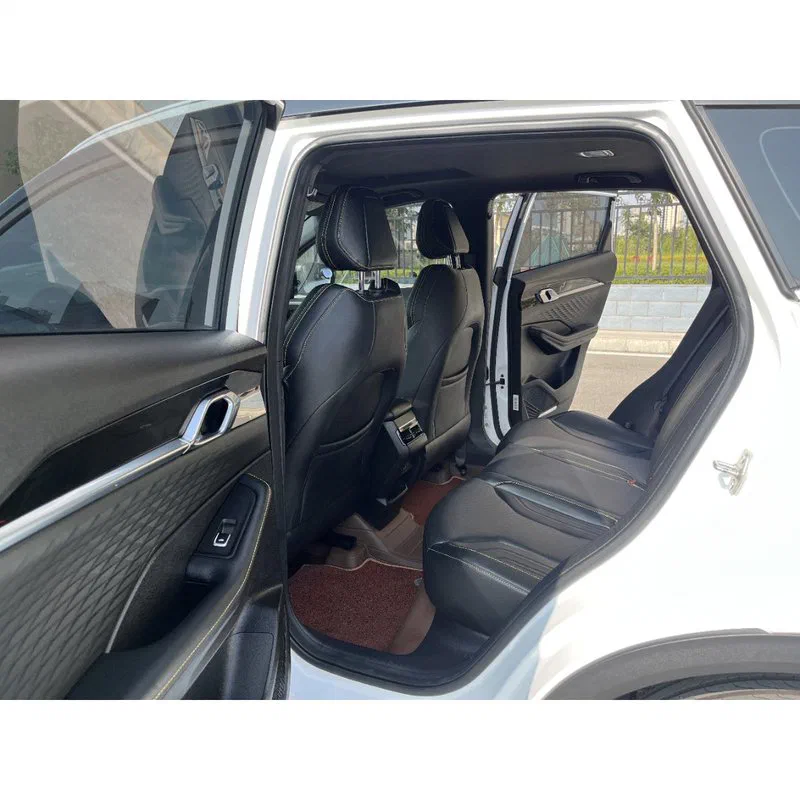
Export handling includes the exporter’s license, customs declaration, pre-shipment inspection record, commercial invoice, packing or vehicle details, and the bill of lading issued after loading. The VIN and consignee information must match across documents. At the destination port, the consignee or appointed clearing agent submits import papers, pays applicable charges, arranges customs examination where required, and settles terminal or storage fees before release. Ghana, Nigeria, Kenya, Uganda and Tanzania apply their own rules on vehicle age, emissions, drive side and roadworthiness. Most Chinese domestic vehicles are left-hand drive, so right-hand-drive requirements must be confirmed before sourcing.
FAQ
Q: Is RoRo always cheaper than container shipping?
A: Not always. RoRo often has simpler handling for a running vehicle, while container costs depend on loading space, consolidation and port charges.
Q: What records should be checked before shipment?
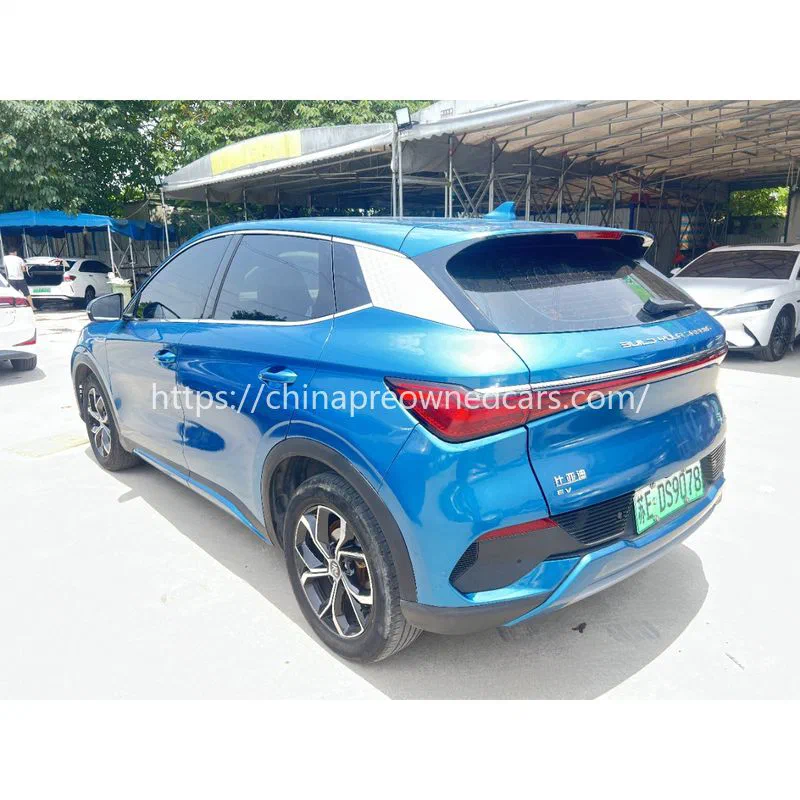
A: Check the VIN, ownership and registration history, mileage evidence, service records, repair history and inspection findings. For an electric vehicle, request battery state-of-health information and charging test results.
Q: What happens after the vehicle reaches West Africa?
A: A local consignee or clearing agent handles customs submission, duties and port charges before arranging release. The exact documents and import conditions must be confirmed with the authorities in the destination country.