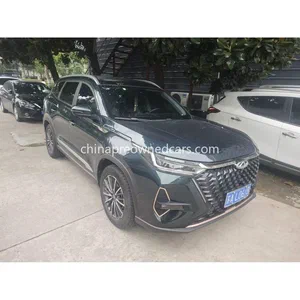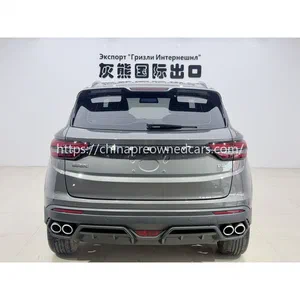
When purchasing a second-hand vehicle for export, buyers should conduct thorough checks to ensure the vehicle meets their expectations and compliance with local regulations. This article outlines key factors to verify regarding vehicle condition, necessary documentation, and the logistics involved in shipping from China to countries in West Africa.
Vehicle Condition Verification

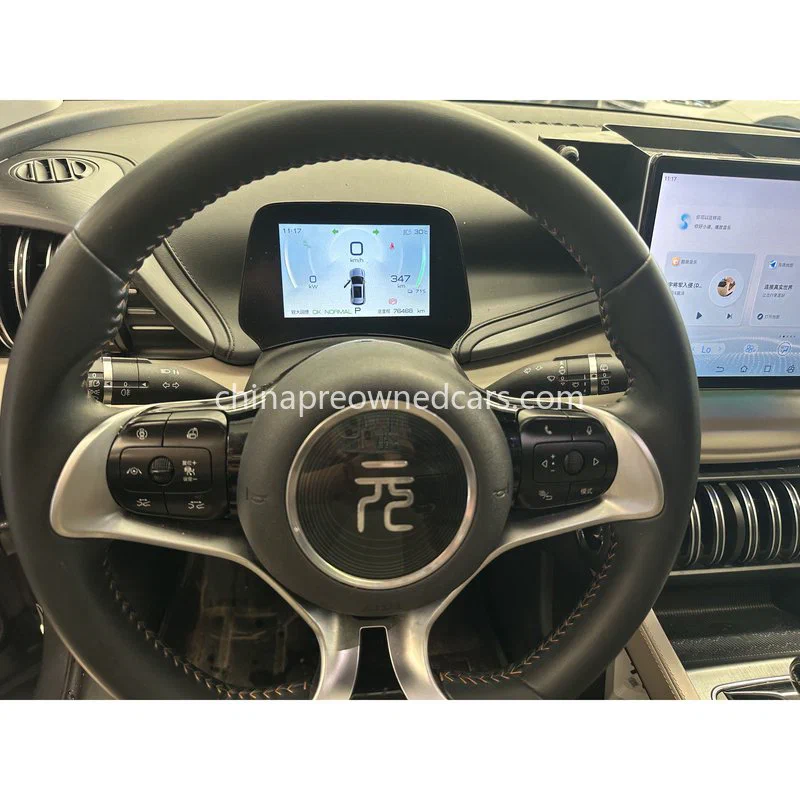
Before committing to a purchase, buyers should verify several aspects of the vehicle. Important checks include mileage, service history, and accident records. For electric vehicles, battery health is crucial; a pre-purchase inspection focusing on battery state-of-health can provide insight into potential future costs. Authenticating the vehicle identification number (VIN) is also essential to confirm the vehicle’s history and ensure it matches the seller’s claims. Buyers should ask for detailed reports or documents that support these checks, as this transparency helps mitigate risks associated with used vehicles.
Documentation Requirements
Exporting a vehicle involves rigorous documentation. Buyers should request a pre-shipment inspection report that confirms the vehicle’s condition and compliance with export standards. An export license is necessary for legal shipment, and customs clearance paperwork must be prepared accurately to avoid delays. Understanding the specific documentation required for the destination market is vital, as regulations can vary significantly between countries. Buyers should familiarize themselves with their local import regulations, including any age limits and emission standards that may apply.
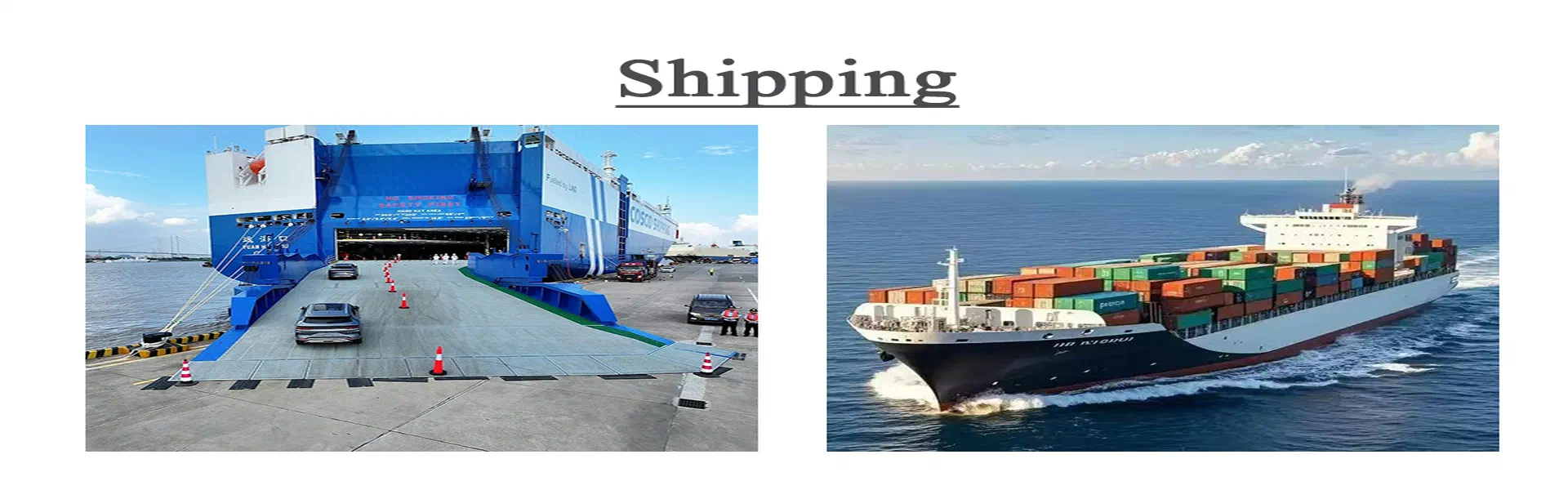
Shipping Logistics: RoRo vs. Container
When it comes to shipping, buyers typically have two options: Roll-on/Roll-off (RoRo) or container shipping. RoRo is generally more cost-effective, allowing vehicles to be driven directly onto the ship. However, it carries a higher risk of damage due to exposure during transit. Container shipping, on the other hand, offers better protection but may involve higher costs and restrictions on the vehicle’s dimensions. Transit times to West African ports vary but typically range from 15 to 25 days, depending on the shipping method and route. Buyers should consider marine insurance to protect against potential losses during transit.
Exporter Credibility and Payment Terms
Assessing the credibility of the exporter is a critical step in the buying process. Buyers should look for established companies with a solid reputation in the market. Checking reviews, testimonials, and any affiliations with recognized industry bodies can provide additional assurance. Standard payment terms may vary but typically require an upfront deposit followed by the balance upon shipment. It is advisable to clarify payment methods and terms before proceeding, ensuring they align with international trading standards to minimize risks.
Common Pitfalls in the Export Process
Buyers should be aware of common issues that may arise during the export process. Miscommunication regarding vehicle specifications can lead to receiving a vehicle that does not meet local regulations or buyer expectations. Delays in shipping or customs clearance can also occur if documentation is incomplete or inaccurate. To avoid these pitfalls, maintaining clear communication with the exporter and conducting thorough due diligence is crucial.
FAQ
Q: What should I check when buying a second hand car for export?
A: Verify mileage, service history, accident records, battery health for EVs, and ensure VIN authenticity.
Q: What documentation is needed for exporting a vehicle?
A: Request a pre-shipment inspection report, an export license, and customs clearance paperwork tailored to your destination market.