
Importing used vehicles from China to West Africa, particularly Ghana and Nigeria, involves careful consideration of shipping methods, costs, and vehicle conditions. This process requires a deep understanding of import duties, landed costs, and the various shipping options available to ensure a smooth transaction and delivery.
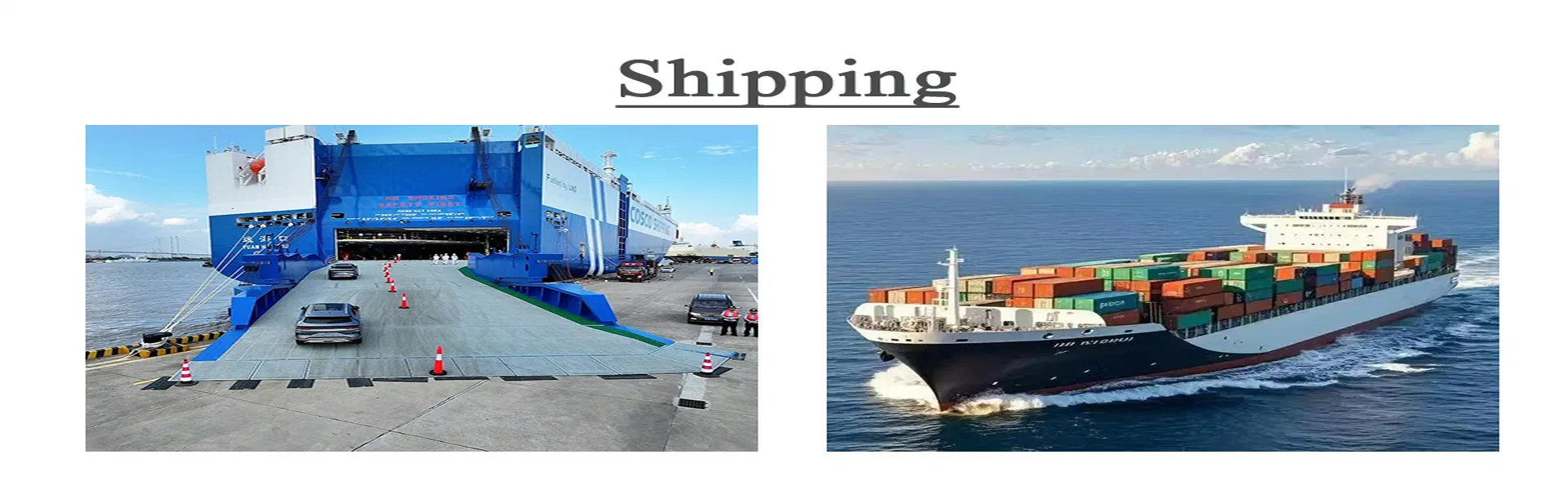
One of the most crucial aspects of importing vehicles is understanding the shipping methods. Roll-on/roll-off (RoRo) shipping is popular for transporting vehicles as it is often cost-effective and straightforward. Alternatively, container shipping offers added protection, though it may be more expensive. Importers must weigh these options against their budget and the type of vehicles being shipped. Ensuring that all cars are left-hand drive is essential, given the driving regulations in Ghana and Nigeria.
Another key consideration is the total landed cost, which includes the purchase price, shipping fees, import duties, and any additional port clearance charges. Import duties in West Africa can vary significantly, so it is vital for importers to be up-to-date with the current rates and regulations. By calculating these costs accurately, importers can better assess the true price of their investment and make informed purchasing decisions.
Vehicle condition and history are also paramount when importing second-hand cars. A thorough inspection is necessary to ensure that the vehicle is in good working order and has a reliable service history. Importers should request detailed documentation on mileage, service records, and any previous accidents. This information not only assures quality but also affects resale value and total cost of ownership in the long term.
FAQ
Q: What is the best shipping method for used cars from China to Ghana and Nigeria? A: Roll-on/roll-off (RoRo) is often preferred for its cost-effectiveness, but container shipping offers greater protection for the vehicles.

Q: How can I calculate the total landed cost of importing a vehicle? A: Total landed cost includes the purchase price, shipping fees, import duties, and port clearance charges, all of which should be calculated based on current rates and regulations.
Q: Why is vehicle condition important in the import process? A: Ensuring good vehicle condition and a reliable service history affects the resale value and total cost of ownership, impacting long-term investment returns.
Related Articles
 Auto sites for used cars and reliable sourcing methods for overseas vehicle buyers
 Best nearly new small car import duty and customs procedures for overseas buyers
 Certified used cars under 10000 customs clearance and import duty guide for buyers
 Certified used cars under 15000 import taxes and customs clearance process in Ghana Nigeria