The export route for a used vehicle from China begins before it reaches the port. This guide follows the operational stages from vehicle selection and pre-shipment inspection through customs clearance, ocean loading, and arrival at West African ports.
Vehicle approval and export documents
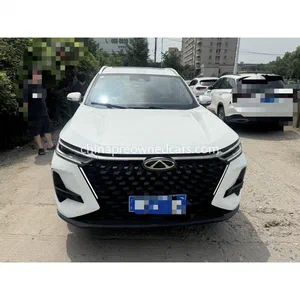
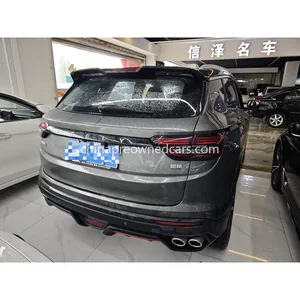
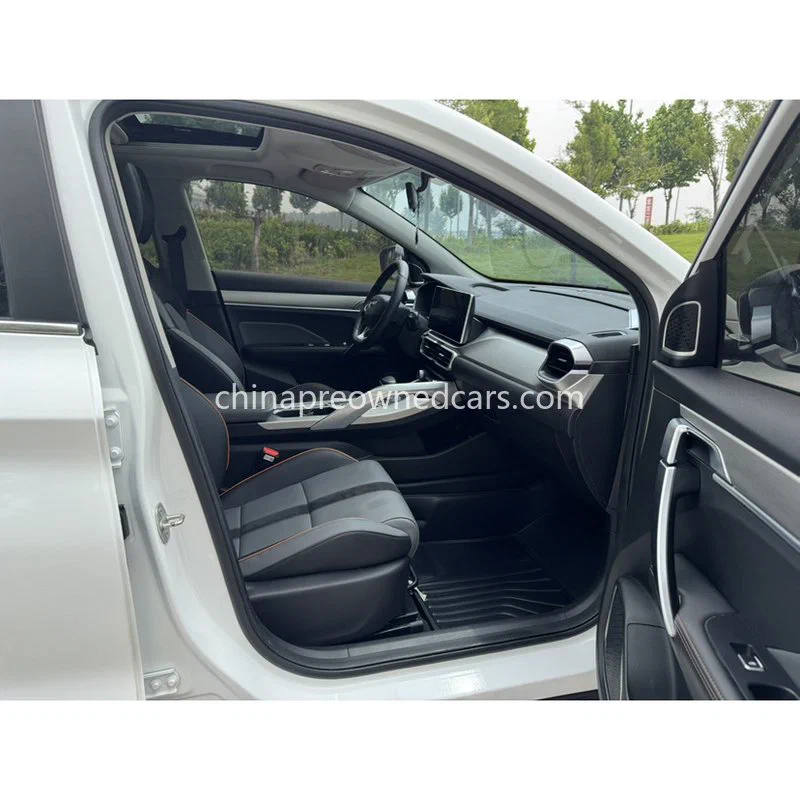
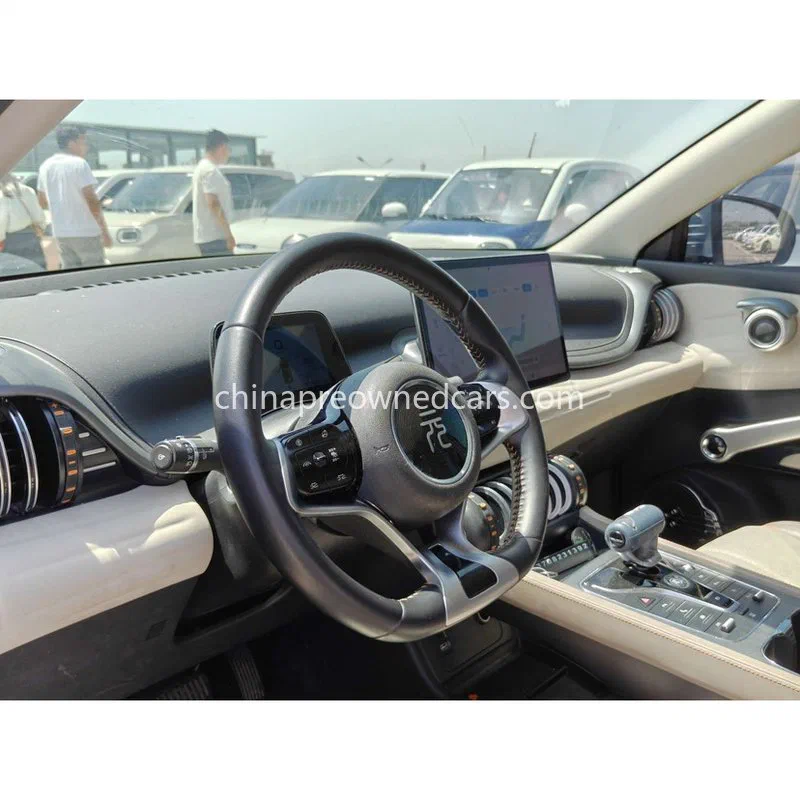
The process starts with sourcing and confirming a specific vehicle, such as a BYD Atto 3, Chery Tiggo 7 Plus, Chery Tiggo 8 Pro, Geely Coolray, or Haval H6. Buyers may search used cars by features, then request the vehicle identification number, production details, drive configuration, service records, mileage evidence, photographs, and a condition report. These records should be checked against the vehicle itself. A listing description is not a substitute for a physical inspection.
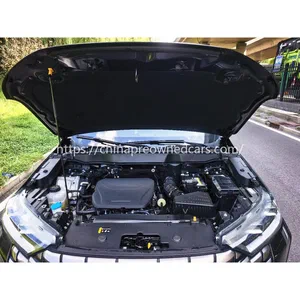
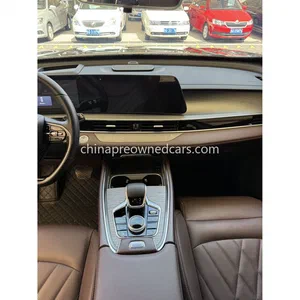
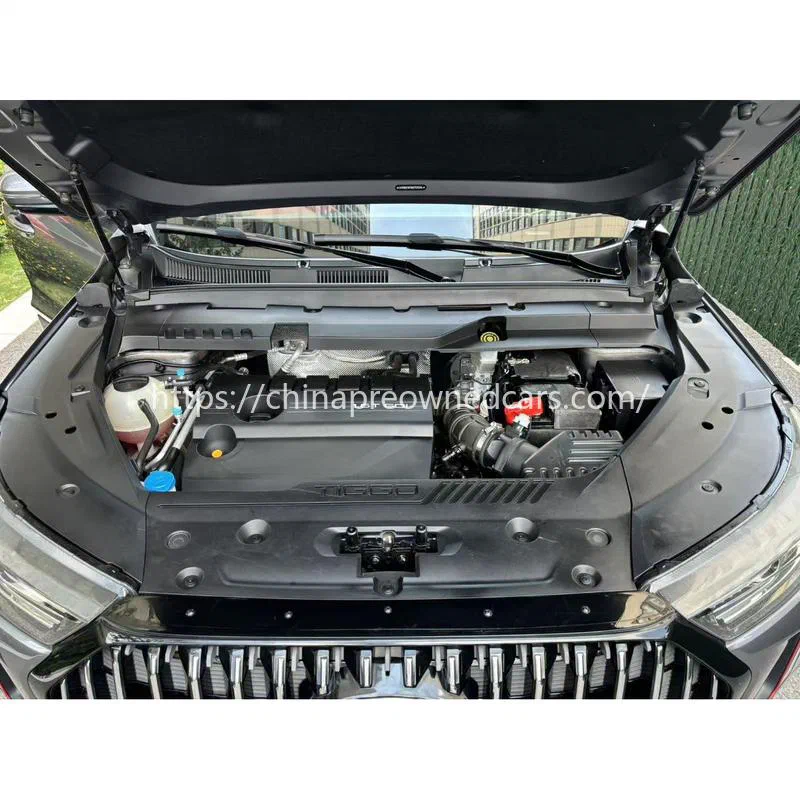
China’s used vehicle export process requires an export license, customs declaration, and pre-shipment inspection. The inspection normally covers the body, glass, lights, tires, brakes, steering, suspension, engine or electric drive system, charging equipment where applicable, interior, safety equipment, and visible signs of accident or water damage. For an electric vehicle, the battery system, charging function, dashboard warnings, and available battery state-of-health information require separate attention. The inspection result is documented in the certification or inspection paperwork required for export clearance.
Documentation is assembled after the vehicle passes the required checks and the sale terms are confirmed. The export file commonly includes the commercial invoice, vehicle sale documents, export license, customs declaration records, inspection documentation, and a certificate of origin where required by the transaction or destination authorities. The bill of lading is issued by the shipping line or freight forwarder after loading. It records the vessel, ports, consignee, cargo description, and shipment terms, so names and vehicle identification details must match across every document.
From warehouse to loading port
After inspection, the vehicle is prepared for inland transport to a suitable Chinese port. The exporter arranges collection, temporary storage, port booking, and delivery into the terminal or container depot. Port choice depends on the shipping service available for the selected destination, the carrier schedule, and the practical cost of moving the vehicle from its source location. Delays can occur if customs queries the declaration, the inspection paperwork needs correction, or the booked sailing changes.

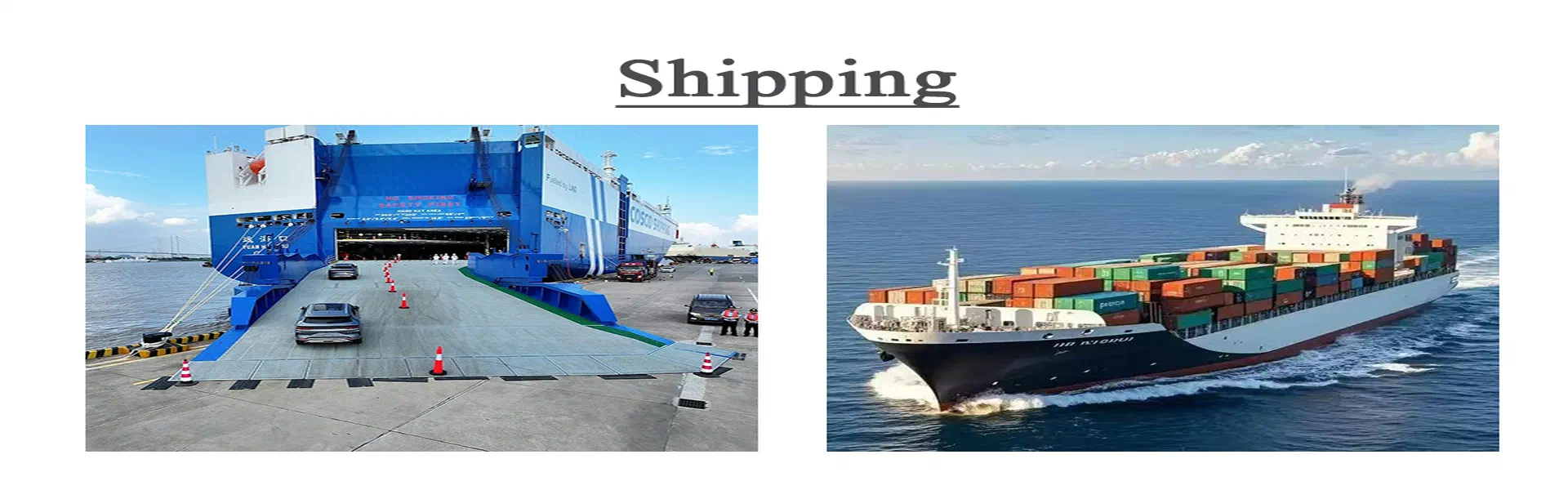
RoRo shipping is often suitable for standard passenger vehicles that can be driven onto and off the vessel. It usually avoids the expense of a dedicated container and allows several vehicles to move under one vessel booking, but the cars are exposed to normal terminal handling and must meet the carrier’s loading rules. Loose personal items are generally prohibited, fuel and battery levels may be controlled, and non-running vehicles may require special arrangements. Buyers should ask how keys, alarms, charging cables, and removable accessories will be handled.
Container shipping fits cargo that needs enclosed protection, mixed cargo planning, or a loading method not accepted by a RoRo carrier. Vehicles may be secured inside a 20-foot or 40-foot container, subject to height, width, weight, and securing requirements. Container loading can reduce exposure to weather and open-terminal contact, but poor securing creates movement and contact damage risks. Loading photographs, wheel chocks, tie-down records, and a seal number provide useful evidence before the container leaves China.
Freight rates are not based on vehicle value alone. They reflect the destination port, vessel availability, season, port congestion, container or RoRo capacity, vehicle dimensions, inland haulage, terminal charges, documentation fees, and whether marine insurance is purchased. West African services may call at different ports or use transshipment, which affects the schedule. A quoted ocean freight figure should therefore be checked for exclusions, including origin handling, destination charges, customs fees, storage, demurrage, and delivery beyond the port.
Arrival at a West African port
The shipping line sends arrival information and the bill of lading details to the consignee or appointed clearing agent. At the destination port, the vehicle or container is discharged, manifested, and made available for import processing. The local agent handles customs submission, port release procedures, duty and tax assessment, inspection appointments, and any required registration or roadworthiness checks. The buyer remains responsible for confirming current rules in Ghana, Nigeria, Kenya, Uganda, or Tanzania before shipment, including vehicle age limits, emissions, left-hand-drive acceptance, charging requirements, and documentation format.

Marine insurance should be considered before loading rather than after a problem occurs. Coverage terms differ, and some policies exclude mechanical failure, poor pre-existing condition, unattended accessories, or losses caused by inadequate securing. The inspection report and loading photographs support a claim but do not guarantee payment. At destination, the vehicle should be photographed before release, compared with the origin report, and checked for body damage, missing items, warning lights, battery charge, and document discrepancies. Storage costs can rise quickly when customs clearance or payment is delayed.
Typical door-to-port planning involves vehicle sourcing, inspection, inland delivery, export clearance, booking, loading, and ocean transit, so the total schedule is usually measured in several weeks rather than a few days. Vessel schedules and port congestion can extend the estimate. A practical order file should identify each stage, the responsible party, expected document handover, payment milestone, insurance position, and the procedure for handling a failed inspection or shipping damage. After arrival, local parts access, diagnostic support, and assistance with EV charging equipment should also be agreed before purchase.
FAQ
Q: Which is safer for shipping a used SUV, RoRo or container? A: Container shipping provides enclosed protection but depends heavily on correct securing and loading. RoRo can be more economical for running vehicles, while the choice should reflect cargo condition, carrier rules, cost, and available insurance.
Q: What documents should be checked before a vehicle leaves China? A: Confirm the export license, customs declaration records, pre-shipment inspection documents, commercial invoice, sale documents, certificate of origin where applicable, and bill of lading details. The vehicle identification number and consignee information should be consistent throughout.