Moving a used vehicle from China to an overseas port involves more than arranging ocean freight. Each shipment passes through vehicle inspection, export documentation, customs clearance, port handling and international shipping, with requirements depending on the vehicle type and destination. For buyers in Ghana, Nigeria, Kenya, Uganda and Tanzania, understanding these stages helps reduce paperwork delays and avoid unexpected costs.
From Vehicle Inspection to Export Clearance
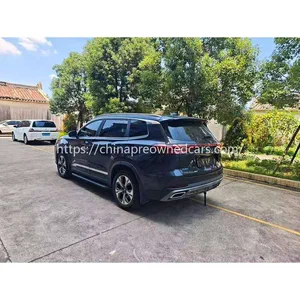
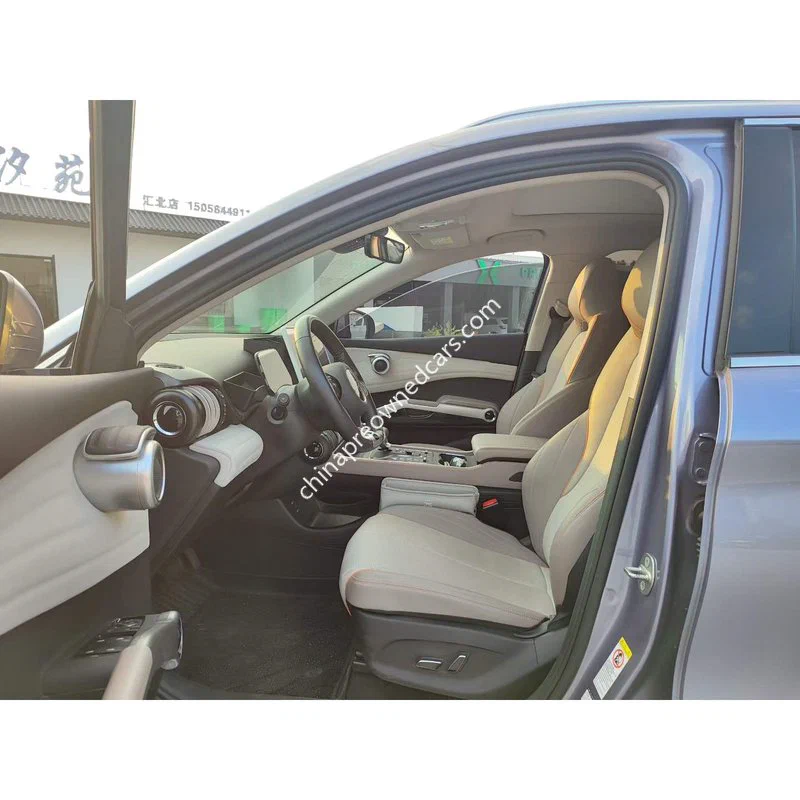
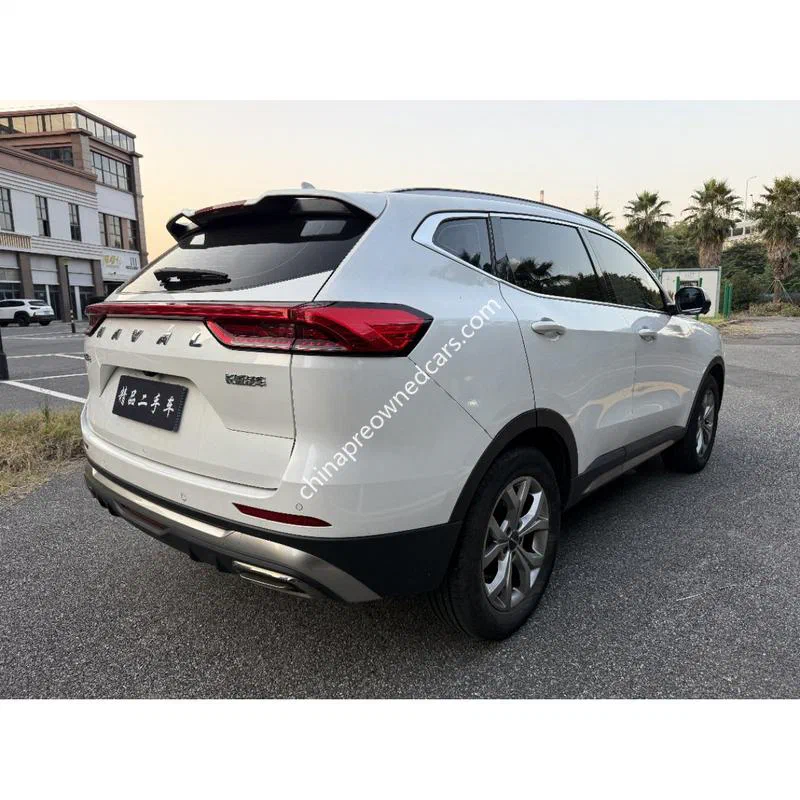
The process begins with vehicle selection and a review of its records. ChinaPreownedCars.com sources Chinese-brand SUVs, including the BYD Atto 3, Chery Tiggo 7 Plus, Chery Tiggo 8 Pro, Geely Coolray and Haval H6. Before purchase confirmation, the buyer should receive the available vehicle details, including model year, mileage, powertrain, equipment and known condition issues. The vehicle identification number (VIN) should match the relevant documents and physical markings.
Pre-shipment inspection follows. Checks commonly cover the body, paintwork, glass, tyres, lights, steering, brakes, suspension, engine or electric drive system, dashboard warnings and visible signs of accident damage. Inspectors should also review fluid leaks, service records and signs of corrosion where accessible. For electric vehicles such as the BYD Atto 3, battery state of health, diagnostic fault codes, charging operation and available battery records require additional attention. A written report with photographs gives overseas buyers a basis for reviewing the vehicle before shipment. Any required inspection certificate must be confirmed against current Chinese export procedures and the destination country’s rules; a general condition report does not automatically replace a legally required certificate.
Condition grading should describe observed evidence rather than promise future performance. Buyers should clarify how the exporter defines each grade and whether the inspection covers mechanical operation, cosmetic damage or both. Odometer readings should be compared with available service and inspection records, but cannot independently establish a vehicle’s complete history. If a discrepancy or major repair appears, the buyer can request further documentation before authorising shipment.

Documentation, Customs and Port Preparation
Once the vehicle and inspection findings are accepted, the exporter prepares the export file. Chinese used vehicle exports require the applicable export licensing, customs declaration and supporting documents. Depending on the transaction and destination, the paperwork may include the sales invoice, purchase contract, vehicle registration or ownership records, export-related approvals, inspection documents and a certificate of origin. The certificate of origin identifies where the vehicle originates; it does not, by itself, establish that the vehicle qualifies for preferential import duties.
The bill of lading is issued through the shipping process and records the cargo and carriage details. Its information should agree with the shipping instructions and relevant commercial documents, including the consignee, vehicle identification and destination port. Buyers should verify names, addresses and document numbers before final issuance, because amendments can take time and may incur fees. The exporter or customs agent submits the required declaration, while customs authorities review the shipment and determine whether it can be released for export. Additional checks may be requested if records are incomplete or inconsistent.
After clearance, the vehicle moves to the designated departure port. Port staff or appointed handling agents arrange the required intake procedures, vehicle identification checks and loading preparation. The vehicle may need to meet carrier-specific fuel, battery charge or safety instructions. Personal belongings and undeclared goods should not be left inside unless the carrier expressly permits them. For electric vehicles, the shipping line must be informed of the powertrain and any applicable battery-related requirements so that the correct cargo procedures can be followed.
Choosing Shipping and Planning Arrival
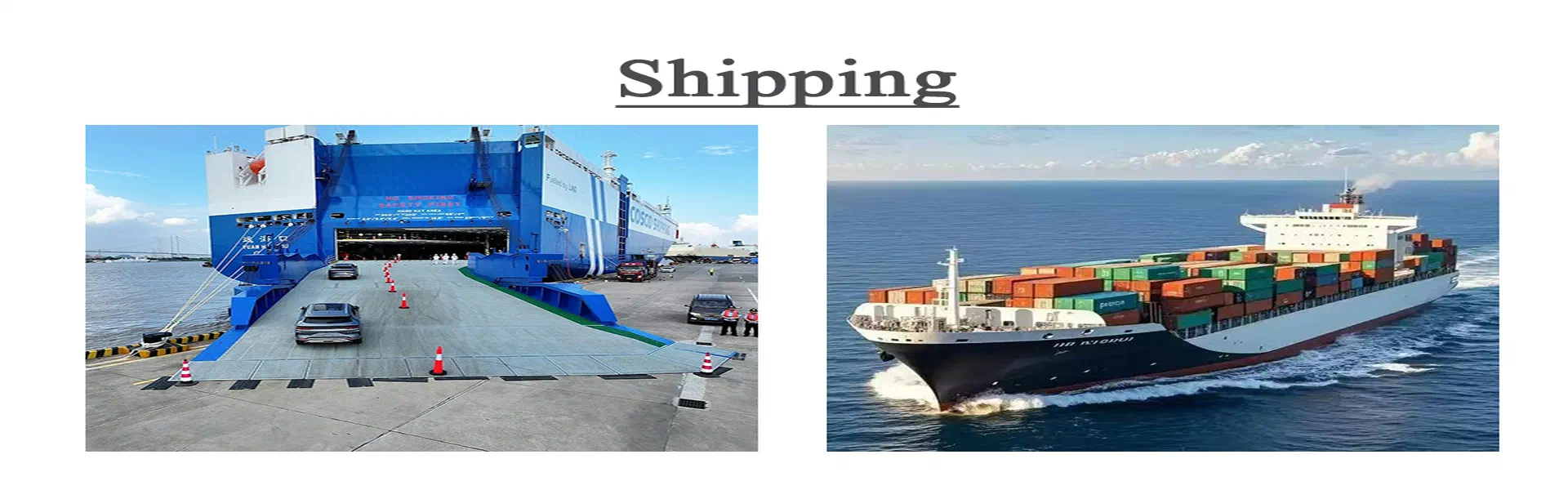
Roll-on/roll-off (RoRo) shipping is often suitable for operable vehicles that can be driven onto and off the vessel. It avoids the need to load each vehicle into an individual container, and may offer a lower freight cost where a suitable sailing is available. The trade-off is that the vehicle remains in a shared vehicle-carriage environment, with exposure to handling risks and limited control over access during transit. Buyers should confirm the carrier’s rules on personal items, vehicle condition and liability for damage.
Container shipping can suit vehicles requiring enclosed transport or shipments where several units can be consolidated. It offers protection from direct weather exposure during the ocean leg, but loading, securing, unloading and container-related charges add complexity. Poor securing can still cause movement damage. The buyer should compare the complete quotation, not just the headline ocean freight: origin handling, loading, documentation, terminal charges, insurance and destination fees may be billed separately. Cargo insurance terms and exclusions should be reviewed before dispatch.
Transit planning must allow for more than sailing time. Vehicle sourcing, inspection, document preparation, customs processing, port cut-off dates, vessel schedules and transshipment can all affect the departure and arrival window. After the vessel reaches the destination, the importer may still need to complete customs entry, pay assessed duties and taxes, arrange any local inspection and collect the vehicle. For Ghana, Nigeria, Kenya, Uganda and Tanzania, import requirements must be checked separately. Vehicle age restrictions, emissions rules, roadworthiness requirements and right-hand-drive policies can differ and change. Most vehicles sourced from China’s domestic market are left-hand drive, so drive-side eligibility needs confirmation before payment.
For an importer assessing whether it is a good time to buy a used car, the more useful question is whether the full landed cost and compliance pathway are clear. Request an itemised export and freight quotation, confirm the payment milestones in writing, and establish who handles destination documentation and shipping updates. The importer should also identify local service options, parts availability and any warranty exclusions, particularly for hybrid and electric powertrains. Clear responsibility for inspection, customs paperwork and claims gives both parties a workable basis for managing delays or discrepancies.
FAQ
Q: Which documents should be confirmed before a used car leaves China?
A: Confirm the applicable export approvals, customs declaration records, sales invoice, ownership documents, inspection paperwork and shipping instructions. The bill of lading and certificate of origin should be checked for consistency with the transaction and destination requirements.
Q: Is RoRo or container shipping better for a used SUV?
A: RoRo may suit an operable vehicle when cost and straightforward loading are priorities, while container shipping provides enclosed transport and may suit consolidated shipments. Compare total charges, carrier conditions, securing arrangements and insurance coverage before choosing.