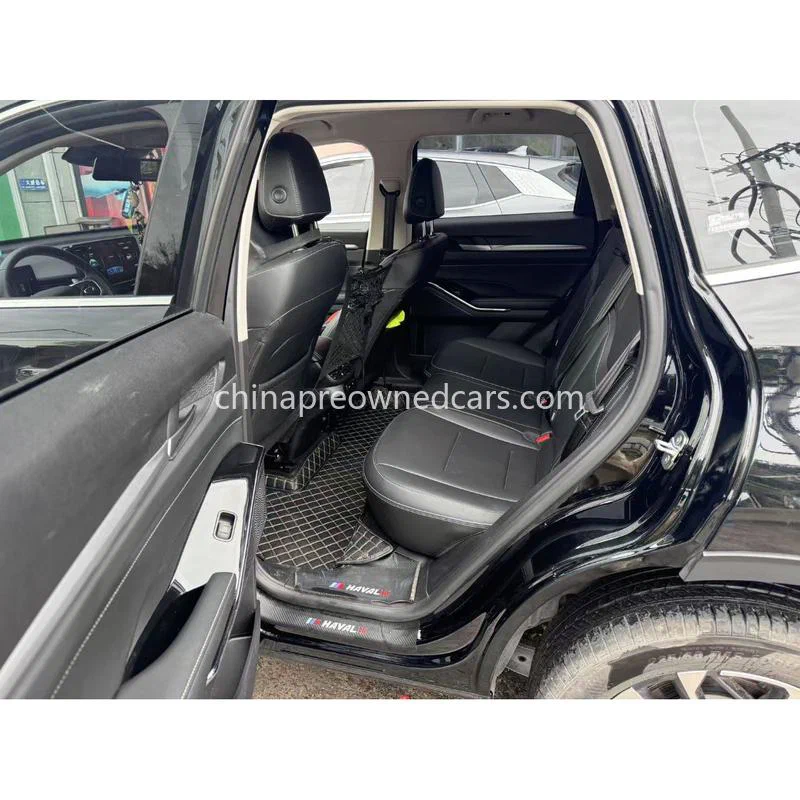
A buyer can verify a Chinese used car exporter by checking its business identity, export licensing, inspection procedures, shipping arrangements and document handling before making payment. For buyers shipping to Ghana, Nigeria, Kenya, Uganda or Tanzania, the exporter should also explain how the vehicle will be loaded, insured and cleared through the destination port.
1. Check the Exporter’s Business and Export Capability
A legitimate used cars dealership or export company should be able to explain where its vehicles are sourced and which parts of the export process it handles directly. Ask for the company’s registered business details, office information and evidence of previous export activity. The ability to provide clear answers about customs procedures and shipping documentation is more useful than a large collection of vehicle photographs.

Confirm whether the exporter holds the necessary authorization to conduct used vehicle exports from China. China’s export process requires the relevant export licensing, customs declaration and pre-shipment inspection. The company should explain whether these steps are handled internally or through appointed service providers. Buyers should establish who is responsible for each stage and who will resolve problems if documentation is incomplete.
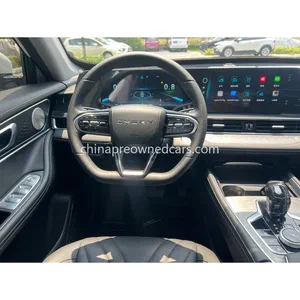
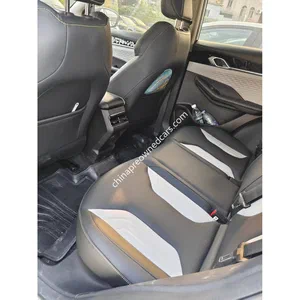
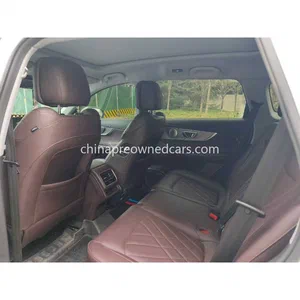
The same checks apply to vehicle sourcing. Chinese-brand models such as the BYD Atto 3, Chery Tiggo 7 Plus, Chery Tiggo 8 Pro, Geely Coolray and Haval H6 may be available through domestic sourcing channels. However, a model listing alone does not establish that a particular vehicle has been inspected or is ready for export. Request the vehicle identification number (VIN), current photographs and an inspection record linked to the specific unit.
2. Compare RoRo and Container Shipping
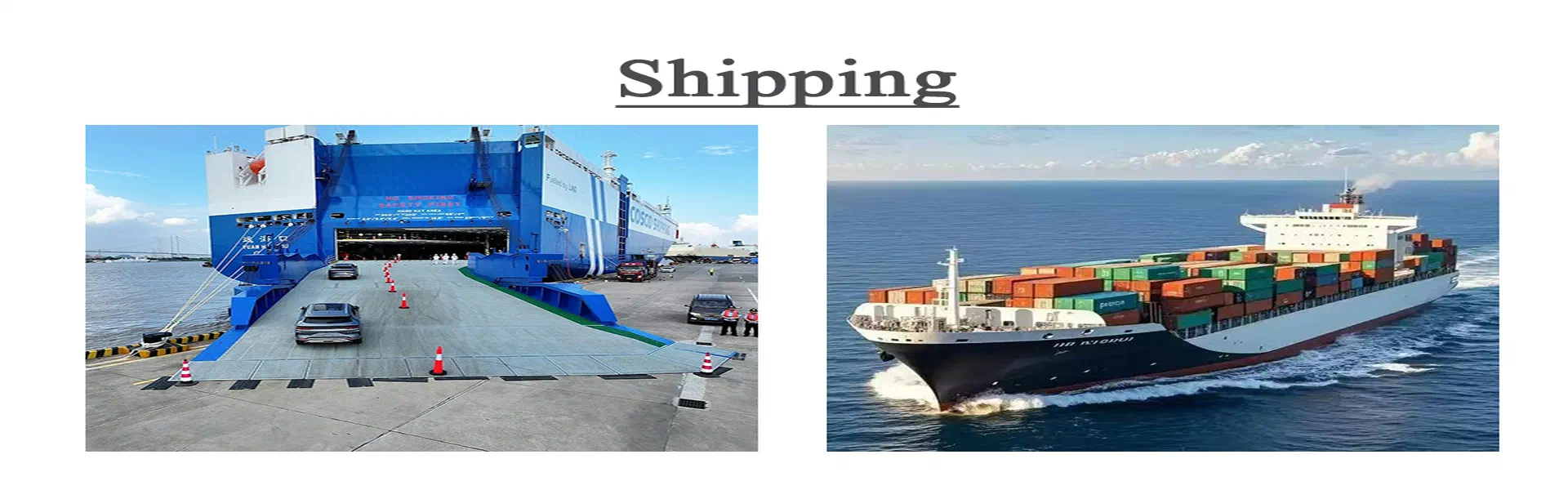
The shipping method has a direct effect on freight costs, loading arrangements and exposure to handling damage. RoRo (roll-on/roll-off) shipping allows vehicles to be driven onto and off a vessel using dedicated vehicle decks. It is generally a practical option for operational vehicles that meet the carrier’s acceptance requirements. It can also be less expensive than container shipping, although rates depend on vessel availability, route and vehicle dimensions.
Container shipping offers a different set of trade-offs. A vehicle is secured inside a container, providing protection from direct exposure to other cargo handling activities and weather during the sea passage. This option can suit higher-value vehicles or shipments involving multiple units. However, loading requires suitable equipment and careful securing. Container dimensions, vehicle clearance, weight limits and access for loading all matter. Buyers should also account for loading, lashing and unloading charges.
Neither method eliminates damage risk. RoRo vehicles may be exposed to movement and handling during port operations, while poorly secured container cargo can shift during transit. Ask for the loading procedure, photographs where available and confirmation of who is responsible for checking the vehicle before dispatch. Marine insurance should be discussed separately from freight. Confirm the insured value, covered risks, exclusions and claims procedure rather than assuming that the carrier’s liability covers the full vehicle value.
3. Understand Freight Rates and Transit Times
A shipping quotation should identify the route, shipping method and charges included. Freight rates are influenced by vehicle size, total shipment volume, container availability, vessel schedules, fuel-related surcharges and seasonal demand. Port handling and documentation charges can also affect the final amount. A low ocean freight quotation may exclude several costs that become payable before the vehicle is released.
For West African buyers, the destination port is an important part of the comparison. Shipments may be arranged to ports serving Ghana and Nigeria, with the final routing depending on the carrier and available service. Transit time is not the same as the complete delivery period. Vessel departure schedules, transshipment, port congestion, customs processing and local clearance arrangements can all extend the time before collection. Ask the exporter to distinguish estimated sea transit from the time required for the vehicle to become available at the destination port.
Request a written quotation showing the shipping method, departure and destination ports, freight charges, estimated transit window and any excluded fees. Confirm whether the quotation covers port-to-port transport or additional services. If a vessel changes its schedule, the exporter should explain how updated departure and arrival information will be communicated.
4. Verify Shipping Documents and Destination Clearance
The bill of lading is a key shipping document. It records the shipment details and serves as evidence of the contract of carriage. Before dispatch, buyers should check the consignee name, notify-party details, vehicle description, VIN where recorded, and destination port. Errors can delay document processing and cargo release. Ask whether the bill of lading will be issued in original form or through an approved electronic arrangement, and confirm the procedure required by the destination agent.
Other paperwork commonly involved includes the commercial invoice, vehicle export documentation, inspection records and shipping documents. The exact requirements depend on the destination country’s customs procedures. Buyers should obtain a document checklist before payment and confirm which original documents must be presented for clearance.
At the destination port, the consignee or appointed clearing agent normally handles customs entry, assessment of applicable duties and taxes, payment of port charges and release arrangements. Storage and demurrage costs may arise if cargo remains uncleared beyond the permitted period. Buyers should appoint a local clearing agent early and establish which party receives arrival notices, submits documents and arranges collection. The exporter’s responsibility for shipping should not be confused with responsibility for destination customs clearance.
5. Check Insurance, Vehicle Suitability and Payment Terms
Before agreeing to shipment, verify that the selected vehicle is eligible for import into its intended market. Ghana, Nigeria, Kenya, Uganda and Tanzania have their own rules concerning vehicle age, emissions, roadworthiness and import procedures. These requirements can change. Buyers should confirm the current rules with customs authorities or a licensed local clearing agent before committing to a purchase. Most vehicles sourced from China’s domestic market are left-hand drive (LHD), which is another important consideration where destination regulations restrict vehicle orientation.
For electric vehicles such as the BYD Atto 3, request battery health information and diagnostic evidence where available. Confirm the battery’s reported state of health, charging compatibility and any transport requirements applicable to the shipment. Hybrid and combustion vehicles require their own mechanical checks, including engine operation, transmission performance, warning lights and evidence of previous repairs. An inspection should record observable condition rather than promise that a used vehicle has no defects.
Payment terms should be documented before funds are transferred. The agreement should identify the vehicle, VIN, agreed price, deposit arrangements, balance payment trigger and responsibility for shipping charges. Buyers should establish whether the final balance is payable after inspection, before vessel loading or against shipping documents. Bank account details should match the contracted business entity, and any change in payment instructions should be independently verified. Retain the invoice, payment confirmation, inspection report and shipping correspondence.
An exporter should also explain what support remains available after departure. This includes tracking shipment progress, correcting document discrepancies and coordinating with the destination agent. Warranty coverage, spare parts assistance and repair support should be stated separately, with clear limits. For vehicles shipped to West Africa, access to suitable diagnostic equipment and local service expertise can affect long-term ownership costs.
FAQ
Q: Is RoRo or container shipping better for used cars from China to Ghana?
A: RoRo is often suitable for standard operational vehicles and may have lower freight costs. Container shipping provides enclosed transport but involves additional loading, securing and handling requirements.
Q: What documents should a buyer request before a car leaves China?
A: Request the commercial invoice, VIN details, inspection records and relevant export documentation. Confirm the bill of lading details and destination customs requirements before shipment.
Q: Does the exporter handle customs clearance in Nigeria or Ghana?
A: The exporter may coordinate shipping and provide export documents, but destination customs clearance normally involves the importer or an appointed local clearing agent. Confirm the division of responsibility and all expected port charges before dispatch.